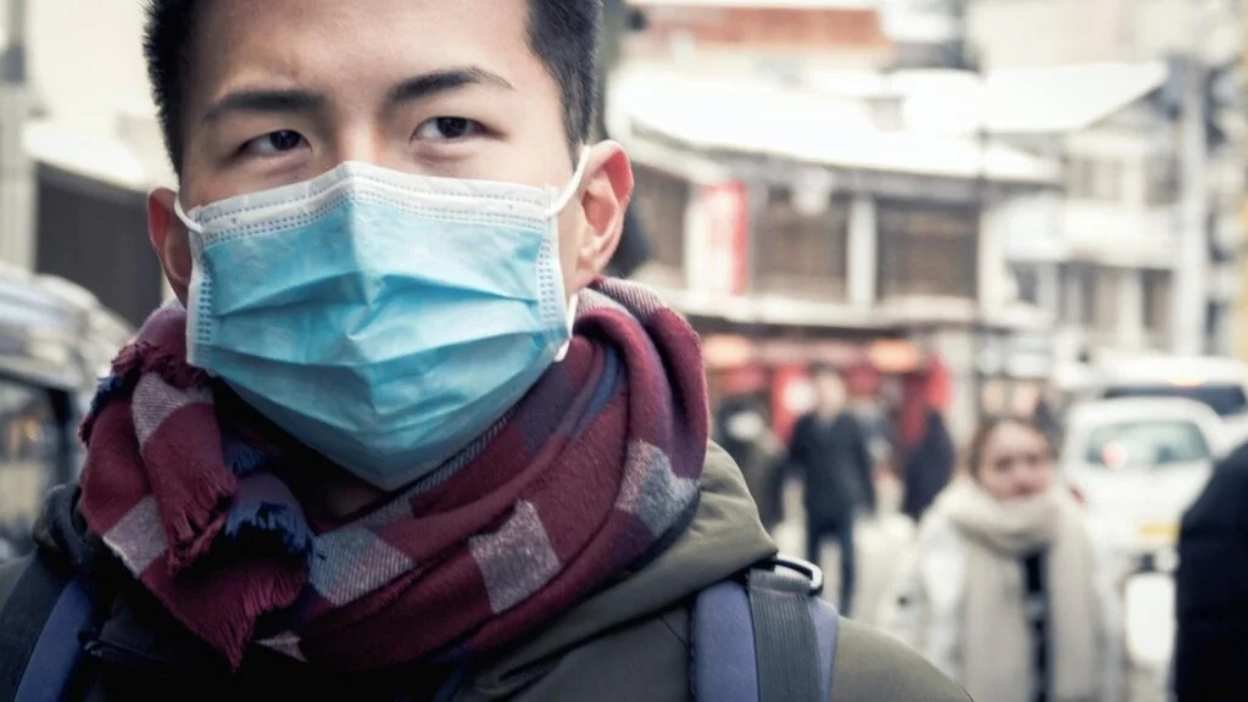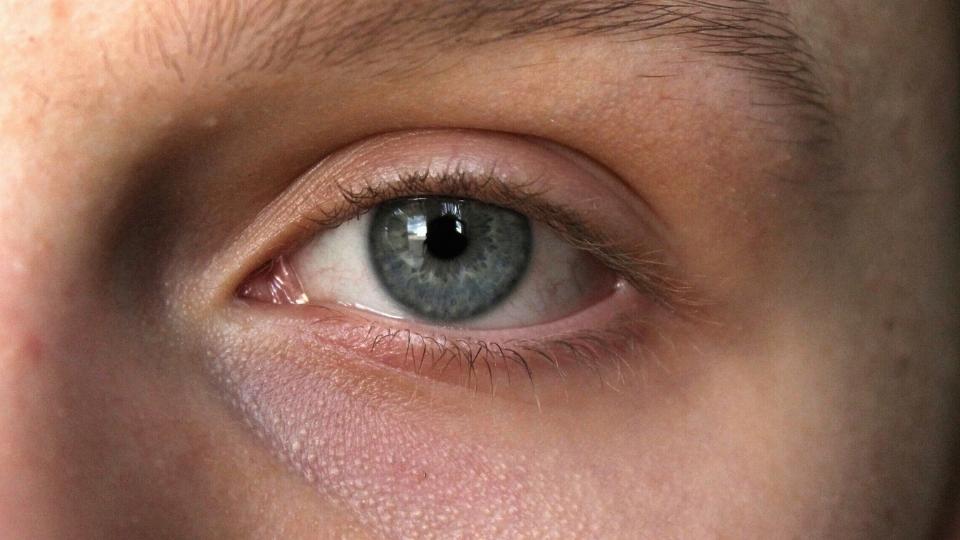

The way alcohol affects the body can show up clearly on the face. A swollen, puffy face, red cheeks, and tired features capture what the non-medical term “alcoholic face” describes: how regular drinking may change appearance. Spotting these visible signs is often a first step toward acknowledging possible alcohol abuse and addiction, though facial changes alone cannot diagnose alcohol use disorder. If you or someone you love notices them, a structured inpatient rehabilitation program can help reverse part of the damage.
What Is an Alcoholic Face?
An alcoholic face is not a medical diagnosis, but it is often used to describe a group of physical signs that can appear after months or years of heavy drinking. The pattern may include redness, swelling, broken capillaries, and a yellow tint from jaundice.
These changes happen because alcohol affects the body in many ways: it can dehydrate tissues, irritate blood vessels, disrupt sleep, strain the liver, and deplete nutrients. These visible signs can appear even in people who otherwise look successful, a pattern we explore in our article on what a functioning alcoholic is.
Inpatient Rehab at Into Action Recovery
At Into Action Recovery, inpatient treatment is designed for men who need focused support for substance use, accountability in early recovery, and a program that combines therapy, structure, and brotherhood in a calm, purpose-driven setting.
How Alcohol Affects Your Skin and Appearance
The skin reflects the body’s overall health, and chronic alcohol abuse can leave clear marks on it, although these signs vary widely and can have many causes.
The Role of Blood Vessels
Alcohol is a vasodilator, widening blood vessels close to the surface. With chronic alcohol consumption, some people develop more persistent redness or visible small vessels, especially on the cheeks and nose.
Dehydration and Facial Swelling
Alcohol can contribute to dehydration, poor sleep, inflammation, and fluid shifts, which may make the face look puffy. A puffy face is common in heavy drinkers, with swelling around the eyes and cheeks. Persistent or severe swelling should be medically evaluated.
Common Physical Signs of Alcohol Abuse

Many physical signs of alcohol abuse may appear on the face before internal damage is diagnosed, but facial signs alone cannot confirm alcohol use disorder or internal damage.
Facial Redness and the Alcohol Flush Reaction
Some people develop an alcohol flush reaction, where the face turns red shortly after drinking alcohol. It is linked to a genetic difference in alcohol metabolism that allows acetaldehyde to build up. People who flush because of impaired acetaldehyde metabolism may face an increased risk of certain cancers if they continue drinking. We explore this hereditary component in greater depth in our article on whether alcoholism is hereditary.
Broken Blood Vessels and Spider Veins
Heavy drinking can contribute to visible dilated vessels on the cheeks and nose. These tiny red lines, also called broken blood vessels or spider veins, become visible as vessel walls weaken and may remain even after a person stops drinking. They can also have other causes, including rosacea, sun damage, genetics, aging, and liver disease.
Dark Circles Under the Eyes
Excessive alcohol consumption can worsen dark circles, mostly from dehydration and disrupted sleep patterns. They are one of the common signs associated with regular drinking, though dark circles can also have many non-alcohol-related causes.
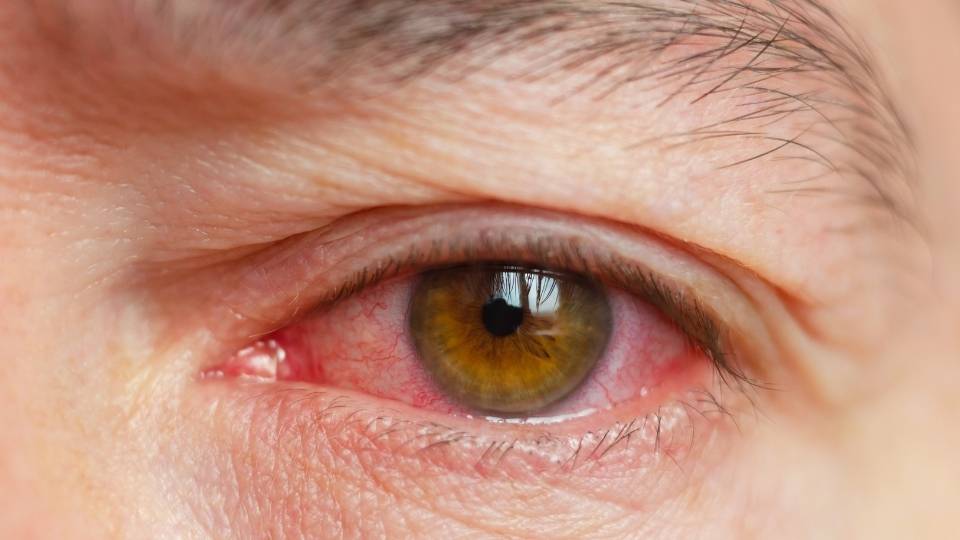
Bloodshot Eyes and Alcohol
Irritation of the surface vessels gives the eyes a persistently red look. Bloodshot eyes alcohol-related discolouration tends to worsen with fatigue. Persistent eye redness, pain, vision changes, or discharge should be assessed by a healthcare professional.
Jaundice and Yellowing Skin
A yellowish tint to the skin or whites of the eyes can indicate elevated bilirubin and may signal liver, bile duct, pancreatic, or blood-related disease. Long-term alcohol use can lead to jaundice, indicating possible liver damage. Jaundice often points to advanced liver disease and warrants prompt medical care.
How Drinking Alcohol Changes the Skin
When alcohol is metabolized, it breaks down into acetaldehyde, a toxic compound that contributes to inflammation, oxidative stress, and changes in skin health.
Collagen Breakdown and Premature Aging
Alcohol may contribute to premature-looking skin by worsening dehydration, sleep quality, inflammation, oxidative stress, and nutrition. Heavy drinkers often look older than their years, with sagging, wrinkles, and a dull complexion also influenced by sun exposure, smoking, age, genetics, and weight changes.
Skin Sores and Worsened Skin Problems
Chronic alcohol abuse can trigger or worsen rosacea, psoriasis, and eczema in some people, causing redness and inflammation. These skin problems may appear with slow-healing skin sores because alcohol weakens immunity and can impair nutrition.
Weight Changes and the Puffy Face
Weight changes are a major part of how the face can shift under heavy drinking.
Water Retention and Bloating
Alcohol can contribute to fluid shifts and puffiness, leading to swelling around the eyes and cheeks. Whether a person drinks beer, wine, or spirits, the result depends more on total alcohol intake, hydration, sleep, salt intake, and overall health.
Empty Calories and Weight Gain
Alcohol contains around seven calories per gram, almost as many as pure fat, and these calories are “empty” with no nutritional value. They are often added on top of food calories. For example, a few pints of beer or several glasses of wine can add hundreds of calories.
Alcohol may increase appetite and lower inhibitions around food choices, leading some to overeat high-fat foods. Hormones such as ghrelin appear to play a role in hunger and alcohol craving, and poor sleep after drinking may also increase cravings for high-calorie foods. For others, alcohol consumption decreases appetite, causing weight loss and a hollow, gaunt look if alcohol replaces proper nutrition.
Facial Signs and What They Suggest
| Facial Sign | What It Often Indicates |
|---|---|
| Persistent facial redness | Dilated vessels, alcohol flush reaction, rosacea, or other skin sensitivity |
| Swollen face and bags under eyes | Fluid shifts, dehydration, poor sleep, or another medical cause |
| Spider veins on cheeks or nose | Heavy drinking, weakened vessel walls, sun damage, rosacea, or liver disease |
| Yellow skin or eyes (jaundice) | Elevated bilirubin, liver damage, possible liver disease, or another serious medical issue |
| Dry, flaky skin and brittle hair | Nutrient depletion from chronic alcohol consumption or other nutritional issues |
| Dark circles under the eyes | Disrupted sleep and dehydration, though many other causes are possible |
| Bloodshot eyes | Surface vessel irritation from alcohol, fatigue, dryness, allergies, or infection |
Health Risks Beyond the Mirror
Visible facial signs can be warning signals for more serious damage, but they cannot confirm or rule out internal disease. Heavy drinking and alcoholism lead to chronic illness, and the health risks compound over time. Internal damage often runs deeper than what appears on the skin, and our article on whether alcohol affects the kidneys explains how heavy drinking strains filtration and overall kidney health.
Liver Disease and Damage
The liver metabolizes alcohol; when overworked, damage can accumulate and impact skin tone and overall health. Liver damage can progress from fatty liver to alcohol-associated hepatitis, fibrosis, cirrhosis, or liver failure if drinking continues. Yellowing of the skin or eyes occurs when bilirubin builds up.
Heart Disease and Stroke
Heavy drinking is linked to high blood pressure, heart disease, and stroke. Health Canada notes that those who consume alcohol regularly face health risks even at moderate alcohol intake, and Canada’s Guidance on Alcohol and Health states that reducing alcohol use lowers the risk of harm.
Physical Signs of Alcoholism to Watch For
Beyond the face, physical signs of alcoholism include changes in behavior as well as appearance.
- Trembling hands or morning shakes
- Nausea, especially before the first drink of the day
- Unexplained bruising or skin sores
- Bloodshot eyes alongside daily alcohol use
- Sudden weight changes, including weight gain
- Withdrawal symptoms when not drinking, such as sweating or anxiety
- Neglect of grooming or noticeable shifts in behavior
If several are present in a person you care about, see 7 signs of alcoholism or compare alcoholism symptoms in men and women. An alcohol use disorder may start as heavy social drinking, as discussed in whether it is alcoholism or just heavy drinking.
Physical Effects of Long-Term Alcohol Abuse
The physical effects of long-term alcohol abuse extend beyond the face. Heavy alcohol use can impair absorption of vitamins and minerals, which may contribute to dry skin, brittle nails, thinning hair, and poor healing. Chronic drinking also reduces the body’s nutrient absorption.
On how prolonged drinking damages the brain, see what is wet brain syndrome and how long-term drinking leads to wet brain.
Effects of Alcohol on the Immune System
The effects of alcohol go beyond appearance. Alcohol weakens the immune system, leaving the body vulnerable to infections and inflammation. Heavy drinkers often look tired, with frequent skin flare-ups, irritation, and a less healthy glow.
If drinking feels out of control, how to quit drinking alcohol is a useful first step away from addiction.
Can the Alcoholic Face Be Reversed?
Some changes can be reversed. Puffiness and dryness may begin to improve within days of abstinence, though more serious structural damage may be permanent.
- First days: Swelling may reduce, redness may soften, and hydration may improve
- 2 to 4 weeks: Skin tone, sleep, and dark shadows may begin to improve
- 3 to 6 months: Weight, energy, and overall skin health may improve with sustained sobriety, nutrition, and medical support
- 1 year and beyond: Liver function and appearance may improve with sustained sobriety, depending on the extent of liver damage
Permanent broken capillaries and severe liver damage may not fully reverse, but stopping halts further harm. Background reading: alcohol withdrawal symptoms and timeline, how much drinking is too much, and blackouts and what they mean.
When to Seek Professional Help for Signs of Alcoholism
Persistent symptoms of an alcoholic face should be evaluated by a healthcare professional. When facial changes appear alongside withdrawal symptoms or cravings, seek professional help. Seek urgent medical care for jaundice, confusion, severe abdominal swelling, vomiting blood, black stools, seizures, severe tremors, or symptoms of severe withdrawal.
Care addresses both visible signs and underlying alcohol addiction. See the guide to alcohol addiction treatment options, compare inpatient and outpatient alcohol rehab, or read what to expect at a rehab centre before starting an inpatient treatment program.
Alcoholic Face: Frequently Asked Questions
How quickly does an alcoholic face appear?
Some signs, like a swollen face and facial redness, can appear within days of heavy drinking. Deeper changes such as broken capillaries, dark circles, worsening rosacea, and premature aging develop over months or years.
Does every heavy drinker get an alcoholic face?
Not every heavy drinker develops the full set of features. Genetics, age, hydration, nutrition, sun exposure, and smoking influence how quickly signs appear. Many people who consume alcohol heavily over time show some visible changes.
Can the puffy face from drinking go away on its own?
Short-term swelling often improves within days of stopping, especially with hydration, sleep, and reduced salt intake. Long-term puffiness, broken vessels, and skin damage may need medical care, proper nutrition, and sustained abstinence to improve. Persistent or severe swelling should be medically assessed.