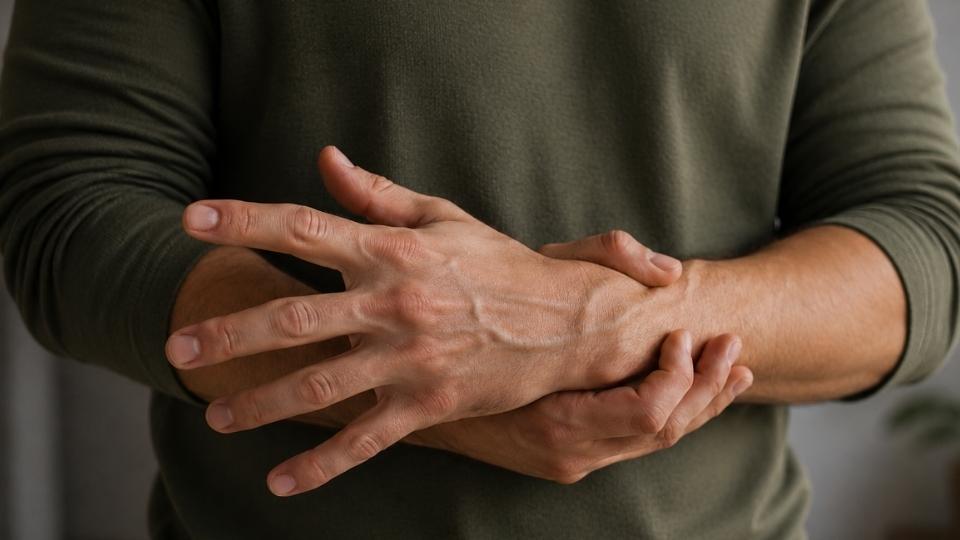
If you have ever watched someone struggle to hold a coffee cup steady the morning after heavy drinking, you have witnessed one of the most visible signs that alcohol may be affecting the body. Occasional shakiness after a night out can have several causes, including poor sleep, dehydration, caffeine, anxiety, or low blood sugar. Alcohol shakes, sometimes called alcoholic tremors or withdrawal tremors, are a common symptom in people who have been drinking heavily over time. Persistent tremors, recurring morning shakes, or shaking after cutting back from regular heavy drinking often signal something more serious happening inside the body.
For people seeking support with alcohol addiction, understanding why these tremors happen is an important first step toward recovery. This guide explains what causes alcohol shakes, how long they tend to last, when they may indicate a medical emergency, and what treatment options are available across Canada.
The information below is drawn from clinical sources, including guidance referenced by Health Canada, and is intended to help readers recognize warning signs early so they can seek appropriate treatment before complications develop.
Understanding Alcohol Shakes and Their Connection to Alcohol Withdrawal

Alcohol shakes occur when the body reacts to a drop in alcohol levels after a period of regular alcohol consumption. The body becomes accustomed to alcohol’s effects on the central nervous system, and when alcohol intake stops or decreases sharply, the nervous system reacts with hyperactivity. This body’s reaction often shows up as involuntary shaking in the hands, but it can spread to the arms, legs, and even the head.
Alcohol withdrawal is a clinical condition recognised by Canadian health authorities like the Canadian Medical Association Journal, which releases management guidelines It can range from mild discomfort to a life-threatening medical event. Withdrawal tremors and other physical symptoms are usually among the earliest signs that the body is reacting to the absence of alcohol.
Inpatient Rehab at Into Action Recovery
At Into Action Recovery, inpatient treatment is designed for men who need focused support for substance use, accountability in early recovery, and a program that combines therapy, structure, and brotherhood in a calm, purpose-driven setting.
What Are Alcohol Tremors?
Alcohol tremors are rhythmic, involuntary shaking movements that often appear within hours after the last drink in people with alcohol withdrawal. They are a hallmark sign of alcohol withdrawal syndrome and one of the first signs people notice when they stop drinking alcohol or significantly reduce their alcohol intake.
How Alcohol Shakes Occur in the Body
Alcohol shakes occur because of changes in the brain’s chemistry. After chronic alcohol use, the central nervous system adapts to the constant presence of alcohol. When alcohol is suddenly removed, the nervous system overreacts, producing tremors and other withdrawal symptoms. If you are caring for someone showing these symptoms, our article on living with an alcoholic covers how to cope and protect your own well-being.
Where Do Alcoholic Tremors Appear?
Although the hands are the most commonly affected area, alcoholic tremors can also affect:
- The arms and shoulders
- The legs and feet
- The head and jaw
- The vocal cords, which can cause a shaky voice
- Smaller muscle groups that may produce visible muscle twitching or spasms
The intensity of these tremors varies from person to person and depends on how long and how heavily someone has been drinking.
The Science Behind Alcohol Shakes: Why They Happen
The Role of GABA and Glutamate
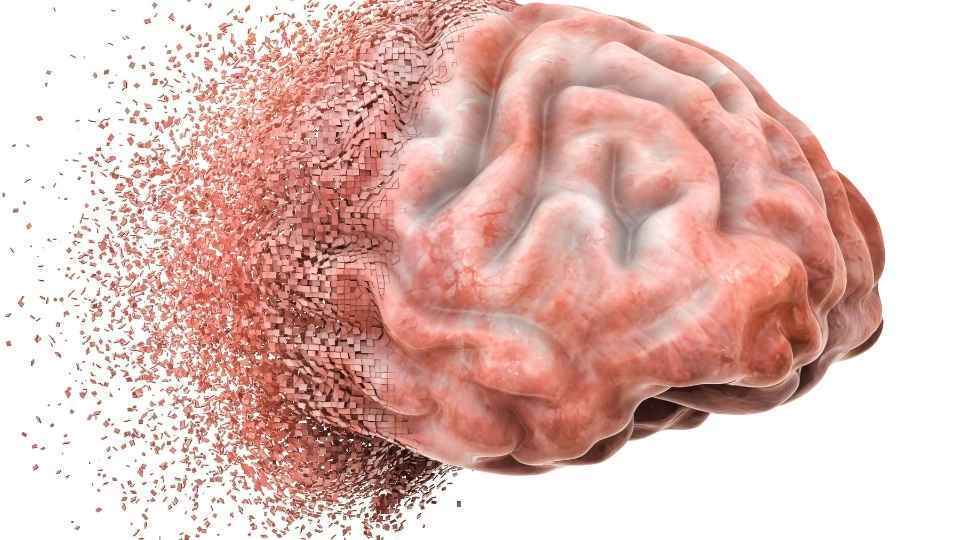
Alcohol acutely enhances GABA, the brain’s primary inhibitory neurotransmitter, and suppresses glutamate, an excitatory neurotransmitter. Over time, the brain rebalances itself around the constant presence of alcohol. Alcohol suppresses the natural balance of these chemicals, and the brain compensates.
When alcohol is suddenly removed, reduced inhibitory activity and excess excitatory activity create hyperexcitability. This neurochemical rebound is what produces tremors and many other withdrawal symptoms.
How Alcohol Interferes with Nutrients
Alcohol interferes with the body’s ability to absorb essential nutrients, including thiamine and other B vitamins. These deficiencies can contribute to broader neurological disorders. Restoring nutrient levels through diet and nutritional supplements is often part of medical detox.
Common Alcohol Withdrawal Symptoms Timeline
The progression of alcohol withdrawal symptoms tends to follow a predictable timeline, although individual experiences vary based on health, genetics, and history of alcohol use.
| Time After Last Drink | Common Withdrawal Symptoms |
|---|---|
| 6 to 12 hours | Mild alcohol shakes, anxiety, nausea, sweating, trouble sleeping |
| 12 to 24 hours | Stronger alcohol tremors, headache, irritability, elevated heart rate |
| 12 to 48 hours | Possible seizures, high blood pressure, worsening agitation |
| 48 to 96 hours | Highest risk window for delirium tremens in many cases |
| 3 to 7 days or longer | Symptoms gradually ease in many cases, though some symptoms can persist |
Early Withdrawal: The First Few Hours
In early withdrawal, alcohol shakes often appear within 6 to 12 hours after the last drink, though timing varies. Other mild withdrawal symptoms during this stage include sweating, anxiety, restlessness, and trouble sleeping. Many people also report nausea and a racing heart during this window.
Peak Symptoms: 24 to 72 Hours
Symptoms often intensify over the first 24 to 72 hours after the last drink. This is when severe tremors and seizures are most likely to develop. Seizures, in particular, tend to occur within 12 to 48 hours after the last drink and represent a critical risk during this phase. Delirium tremens often appears later, commonly around 48 to 96 hours and sometimes several days after stopping.
How Long Do Alcohol Shakes Last?
For mild cases, alcohol shakes often improve within 24 to 48 hours. In more severe cases involving long-term alcohol dependence, the shakes may persist longer and should be medically assessed. The duration depends on factors like overall health, the severity of alcohol use, and whether the person receives appropriate treatment.
Mild vs Severe Alcohol Withdrawal Symptoms
Not everyone who stops drinking alcohol experiences the same level of withdrawal. Some people have only minor discomfort, while others face serious complications.
Other Mild Withdrawal Symptoms
Mild withdrawal symptoms often include:
- Mild alcoholic shakes, especially in the hands
- Anxiety and irritability
- Headaches and fatigue
- Mild nausea or upset stomach
- Trouble sleeping
- Excessive sweating
Severe Withdrawal Symptoms
Severe alcohol withdrawal symptoms can be far more concerning and may include significant withdrawal tremors throughout the body, hallucinations, severe confusion, seizures, rapid heartbeat, and very high blood pressure. Severe tremors that prevent normal movement are a strong signal that medical care is needed without delay. Severe withdrawal almost always requires medical supervision in a clinical setting.
Delirium Tremens: A Severe Form of Alcohol Withdrawal
Delirium tremens is the most dangerous complication of alcohol withdrawal and requires immediate medical attention.
What Are Delirium Tremens DTs?
Delirium tremens DTs is a severe form of alcohol withdrawal that affects an estimated 3 to 5 per cent of people with alcohol withdrawal syndrome. Historically, DTs could be fatal in a significant number of untreated cases, but with prompt medical treatment, death rates are much lower. Symptoms include severe confusion, vivid hallucinations, autonomic instability such as rapid heartbeat and high blood pressure, and intense involuntary shaking.
The risk of developing delirium tremens is higher in people with a long history of drinking heavily, those who have previously experienced severe withdrawal, and people with co-occurring health issues. Because seizures and severe complications can develop quickly, anyone showing signs of DTs needs immediate medical care in a hospital or supervised detox setting.
When Alcoholic Shakes Become an Emergency
Most people experiencing alcohol shakes do not develop life-threatening complications, but it is important to recognise when shakes signal a serious problem.
Signs You Need Immediate Medical Care
Seek immediate medical attention if any of the following occur during withdrawal:
- Severe tremors that prevent normal movement
- Seizures or loss of consciousness
- Hallucinations or severe confusion
- Chest pain or irregular heartbeat
- High fever or extreme sweating
- Vomiting that prevents fluid intake
- Suicidal thoughts or risk of harm to self or others
Without immediate medical care, severe withdrawal can progress quickly. Seizures, dehydration, electrolyte problems, low blood sugar, and cardiovascular complications can all become dangerous within a few hours, especially in medically fragile people. Medical detoxification in a hospital or specialised centre is the safest path for anyone with severe symptoms.
Risk Factors for Alcohol Dependence and Severe Symptoms
Several factors increase the likelihood of severe alcohol withdrawal symptoms. These include the duration and amount of alcohol intake, prior withdrawal episodes, and overall health. People with chronic alcohol use, poor nutrition, or underlying medical conditions tend to face higher risks. Tremors are often the first visible crack in someone who has appeared in control for years, a pattern explored in our article on what a functioning alcoholic is.
Genetics, mental health, and age also play a role in how the body responds when someone tries quitting alcohol. People who have been drinking heavily for years generally face a greater chance of developing serious complications during detox. Heavy drinking strains other organs too, and our overview of whether alcohol affects the kidneys explains how dehydration and chronic alcohol use damage filtration over time.
Tremors are one of several warning signs of a deeper problem, and our guide to alcoholic personality traits covers nine behavioural patterns that often appear together. Genetics can also shape how heavily someone is affected, and our article on whether alcoholism is hereditary explores the inherited factors that raise the risk of severe withdrawal.
How to Stop Alcohol Shakes Safely
People often ask how to stop alcohol shakes quickly. The honest answer is that the safest approach is gradual, supervised, and medically informed.
Why Quitting Alcohol Cold Turkey Is Risky
Trying to stop drinking alcohol abruptly without support can trigger severe complications in people with physical dependence or long-term heavy drinking. Cold turkey withdrawal increases seizure risk and the chance of developing delirium tremens. Caffeine, energy drinks, and dehydration can also make tremors worse during this period.
Medical Detox and Treatment Options
Medical detox provides a structured environment where withdrawal symptoms can be managed safely. Common interventions include benzodiazepines such as diazepam (Valium) and lorazepam (Ativan), which calm the nervous system and reduce tremors. Intravenous fluids, electrolytes, and B vitamins are often given to address dehydration and nutrient deficiencies. Medication choice should always be made by a clinician, especially if someone has liver disease, is older, is pregnant, or takes other medications.
For people in Canada, inpatient rehab offers around-the-clock medical supervision during this critical period, which can dramatically lower the risk of severe complications.
Treatment for Alcohol Withdrawal and Recovery
Treatment for alcohol withdrawal goes beyond managing the first few days of symptoms.
Medical Supervision During Detox
Medical supervision allows clinicians to monitor vital signs, manage medications, and intervene quickly if complications develop. This is especially important for people experiencing alcohol shakes alongside other withdrawal symptoms or who have a history of complicated detox.
Long-Term Recovery from Alcohol Use Disorder
Detox is only the beginning. Long-term recovery from alcohol use disorder typically involves counselling, peer support, and ongoing medical care. Programs that address underlying causes of alcohol addiction, such as trauma, anxiety, or other mental health conditions, give people a stronger foundation for staying sober. Even after physical withdrawal eases, many people continue to struggle emotionally, a pattern we cover in our piece on dry drunk syndrome. For people whose drinking patterns trace back to childhood experiences, our resource on adult children of alcoholics explores the traits and healing pathways that often matter in recovery.
Supporting Recovery Beyond Drinking Alcohol
Recovery is more than stopping drinking. It also involves rebuilding physical and mental health. Other visible signs often appear alongside tremors, as covered in our guide on the alcoholic face and the physical changes drinking creates over time.
Nutrition and Essential Nutrients
Replenishing essential nutrients, particularly thiamine and other B vitamins, supports the nervous system and helps prevent serious neurological complications. A balanced diet, hydration, and nutritional supplements are common parts of a recovery plan, especially after years of regular alcohol consumption have depleted the body’s reserves.
Stress Management and Daily Habits
Anxiety, depression, and sleep problems are common after quitting alcohol. Techniques like deep breathing, gentle exercise, and structured therapy can help reduce stress and support overall health. Avoiding stimulants in early recovery may also reduce muscle spasms and keep tremors from feeling worse than they otherwise would.
Why Do Alcoholics Shake? Frequently Asked Questions
Can alcohol shakes happen even if I am not an alcoholic?
Yes. Some people experience mild shakiness after a single episode of heavy drinking due to hangover effects such as poor sleep, dehydration, anxiety, caffeine, or low blood sugar, even without long-term alcohol dependence. However, recurring shakes, especially morning shakes that improve after drinking, often indicate that the body is becoming dependent on alcohol and may benefit from professional evaluation.
Will alcohol shakes go away on their own?
Mild alcohol shakes may resolve on their own within a day or two. However, if shakes are severe, accompanied by other withdrawal symptoms, or occur after long-term heavy drinking, professional medical treatment is strongly recommended to prevent serious complications such as seizures or delirium tremens.
Can low blood sugar cause shaking similar to alcohol shakes?
Yes. Low blood sugar can cause involuntary shaking, sweating, and confusion, and these symptoms can look similar to alcohol shakes. Because heavy alcohol use can also lower blood sugar, the two issues sometimes overlap. A medical evaluation can help determine the cause and guide appropriate treatment.
Getting Help in Canada
If you or a loved one is experiencing alcohol shakes, recurring withdrawal tremors, or signs of alcohol dependence, professional support can make a meaningful difference. Reaching out to a qualified treatment program can help reduce the risks of severe withdrawal and lay the groundwork for lasting recovery.
Learn more about evidence-based treatment for alcohol at Into Action Recovery Centre, where compassionate care and medical expertise come together to support people through every stage of healing. If you are trying to support someone through these symptoms, our compassionate guide on how to help an alcoholic friend walks through what to say and what to avoid.