

Your kidneys quietly perform some of the body’s most important work every day, and alcohol can interfere with that work in ways many people do not notice until problems appear. So, does alcohol affect kidneys? The short answer is yes, particularly with regular heavy drinking, repeated binge drinking sessions, dehydration, high blood pressure, or liver disease. For anyone worried about how their drinking habits may be shaping their long-term health, learning the warning signs and exploring professional alcohol addiction treatment can make a meaningful difference for kidney health and overall health.
This guide explains how alcohol impacts kidney function, the difference between short-term and long-term harm, and the steps that may help the kidneys recover.
How Alcohol Affects Your Kidneys
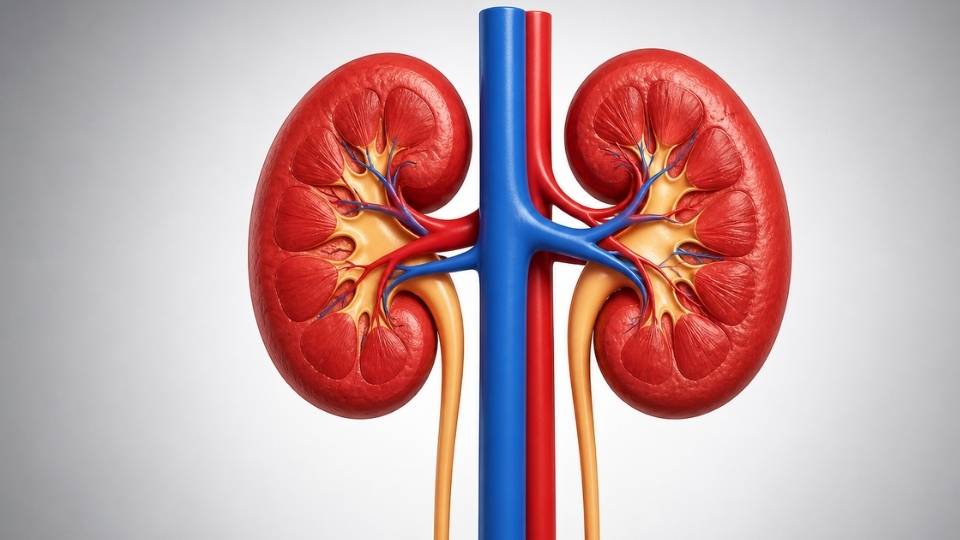
Your kidneys filter blood, balance fluids, and help regulate blood pressure. Alcohol consumption can affect the kidneys by disrupting these jobs. When you drink alcohol, the liver does most of the alcohol metabolism, while the kidneys help manage fluid balance, blood pressure, and waste filtration. Heavy drinking can put extra strain on these systems over time. For more context on what counts as too much, see our guide to how much drinking is too much.
Alcohol acts as a diuretic by suppressing the antidiuretic hormone (ADH). This leads to increased urination and dehydration, and when the body loses too much fluid, the kidneys’ ability to filter waste can become impaired. If dehydration becomes severe, kidney blood flow and filtration can fall, raising the risk of acute kidney injury and waste buildup.
Why Alcohol Consumption Strains Filtration
Alcohol can dehydrate the body and make it harder for the kidneys to maintain fluid and electrolyte balance. Repeated dehydration from drinking heavily can also raise the risk of kidney stones. Severe alcohol-related illness, dehydration, or kidney injury can also contribute to dangerous acid-base disturbances. For more context on what counts as too much, see our guide to how much drinking is too much.
Even one drink can affect hydration and urine output. The cumulative impact of many drinks daily is what tends to push kidney health toward serious problems.
Acute Kidney Injury From Binge Drinking
Binge drinking, commonly defined as consuming five or more drinks for men or four or more drinks for women on one occasion, often within about two hours, can contribute to acute kidney injury (AKI). Acute kidney injury is a sudden drop in kidney function that can sometimes result in lasting damage if it is not treated quickly.
Acute kidney injury can occur when heavy drinking leads to dehydration, low blood pressure, electrolyte problems, muscle breakdown, or other stressors that reduce kidney blood flow or damage kidney tissue. The good news is that AKI is often reversible with timely medical attention, although severe cases can require dialysis. If acute kidney injury is not addressed, it can increase the risk of developing chronic kidney disease later in life.
Inpatient Rehab at Into Action Recovery
At Into Action Recovery, inpatient treatment is designed for men who need focused support for substance use, accountability in early recovery, and a program that combines therapy, structure, and brotherhood in a calm, purpose-driven setting.
Recognizing a Sudden Drop in Kidney Function
A sudden drop in kidney function during or after heavy drinking may show up as reduced urine output, swelling, confusion, fatigue, or nausea. If you notice these symptoms after a drinking session, contact a healthcare provider promptly. Our article on alcohol poisoning symptoms and when to call 911 outlines emergency situations that should never be ignored.
Chronic Kidney Disease and Long-Term Alcohol Use
Older definitions often describe heavy drinking as more than three drinks daily for women and more than four drinks daily for men. Canada’s current alcohol guidance focuses on weekly risk: two drinks or less per week is low risk, three to six drinks per week increases risk, and seven or more drinks per week increases risk further. Heavy drinking has been associated with a higher risk of kidney disease, and the National Kidney Foundation notes that heavy drinking may double the risk, especially when combined with smoking. Chronic kidney disease often does not fully reverse, but progression can sometimes be slowed or stabilized with treatment and risk reduction.
Canada’s Guidance on Alcohol and Health states that less alcohol means lower risk of alcohol-related harm, including harms linked to high blood pressure and chronic disease. Chronic alcohol consumption can also contribute to structural and functional changes in the kidneys that may eventually result in kidney failure, also called end-stage renal disease.
To better understand the line between social drinking and dependence, see our article on whether it is alcoholism or just heavy drinking. Family history can also raise your risk, and our article on whether alcoholism is hereditary explores how genetics shape vulnerability to alcohol use disorder.
How Alcohol Affects Blood Pressure and Kidney Health

Chronic heavy alcohol consumption is an important contributor to hypertension, which damages the small blood vessels inside the kidneys. Even low-level alcohol consumption has been associated with small increases in blood pressure, and the rise grows with higher consumption. The kidneys help regulate blood pressure, so when alcohol raises blood pressure, the kidneys come under added strain.
Excessive alcohol intake creates a dangerous cycle. High blood pressure causes further kidney damage, and that damage in turn raises blood pressure even more. Over time, this loop can push some heavy drinkers toward dangerous levels of risk for kidney failure.
The Role of Blood Flow
Alcohol can also alter blood flow to the kidneys, especially when liver disease is also present. Reduced blood flow lowers the kidneys’ ability to filter waste and maintain normal function, which compounds the harm caused by elevated pressure.
The Liver Kidney Connection
Chronic alcohol use can lead to liver disease, which significantly impacts kidney function. The liver kidney connection, sometimes called the “liver-kidney axis”, describes how liver dysfunction can lead to kidney failure even when the kidneys themselves are not the original source of the problem.
When liver disease occurs because of alcohol, it can cause hepatorenal syndrome, a serious condition in advanced liver disease where kidney function deteriorates because of circulatory changes related to liver failure, even when the kidneys may not be structurally damaged at first. Conditions such as alcoholic hepatitis and other forms of liver damage can speed this process. Our overview of alcohol withdrawal symptoms and timeline explains how the body reacts when chronic alcohol exposure stops.
Signs Alcohol Damage Kidneys May Be Developing
Early signs of alcohol-related kidney problems are often subtle. These symptoms can occur with kidney problems but are not specific to alcohol-related kidney damage, so they should be evaluated by a healthcare provider. Watch for these warning signs:
- Fluid retention and swelling in the legs or ankles caused by too much fluid the kidneys cannot clear
- Changes in urination patterns or urine consistency
- Persistent fatigue and loss of appetite
- Lower back pain or kidney pain near the flanks
- Nausea, confusion, or trouble concentrating
If you are wondering whether the drinking habits behind these warning signs reflect a deeper pattern, our overview of alcoholic personality traits outlines nine behavioural patterns that often reveal a drinking problem. The kidneys are not the only organ that reflects heavy drinking, and our guide on the alcoholic face covers the visible skin and facial changes that often appear alongside internal damage.
Aslo, lower back or flank pain can occur with kidney stones, infection, dehydration, or other conditions; chronic kidney disease itself often causes no pain until advanced stages. If these symptoms appear after periods of heavy drinking, talk with a healthcare provider. You can also review our article on 7 signs of alcoholism for context on patterns that may signal a deeper problem.
How Alcohol Impacts Electrolyte Balance
Excessive alcohol consumption disrupts the balance of minerals like sodium, potassium, calcium, and phosphorus that the kidneys need to function. These electrolyte imbalances can cause muscle cramps, irregular heartbeat, and weakness.
Severe dehydration from drinking too much can push the kidneys past their normal limits. The body loses minerals through frequent urination, and replacing those fluids with more alcohol only deepens the imbalance. Alcohol dehydrates the system more each time the cycle repeats, and alcohol interacts with prescription medications in ways that can further stress kidney function.
Can Alcohol Damage Kidneys Permanently?
For people with healthy kidneys, lower alcohol intake is generally less concerning than chronic heavy use. Canada’s current guidance states that two drinks or less per week is low risk, while risk increases at higher levels. Occasional drinking is far less concerning than chronic alcohol use. The risk grows when alcohol intake becomes regular and excessive.
Whether the kidneys recover depends on how long the heavy drinking has continued, whether liver damage has set in, and how quickly someone reduces or stops their alcohol use. Some kidney problems improve with sobriety, while others, such as advanced chronic kidney disease, may persist. To learn how moderate use can affect other systems, see our article on whether moderate drinking can change your brain.
Comparing Drinking Levels and Kidney Risk
Many heavy drinkers do not match the stereotype, and our article on what a functioning alcoholic is explains how alcohol use disorder can hide behind outward success while still doing real damage to organs like the kidneys.
| Drinking Pattern | Definition | Kidney Risk Level |
|---|---|---|
| Occasional or low-level drinking | 2 drinks or less per week under Canada’s current guidance | Lower risk for healthy kidneys |
| Moderate-risk drinking | 3 to 6 drinks per week | Risk begins to increase, including through blood pressure and chronic disease pathways |
| Increasingly high-risk drinking | 7 or more drinks per week | Higher risk of alcohol-related harms |
| Heavy drinking | Older definitions often use more than three drinks daily for women or more than four drinks daily for men | Higher risk of high blood pressure, liver disease, and kidney problems |
| Binge drinking | 5 or more drinks for men or 4 or more drinks for women on one occasion, often within about 2 hours | Acute kidney injury possible, especially with dehydration or other risk factors |
How Kidneys Recover After Reducing Alcohol Use
The kidneys’ ability to recover depends on early action. When someone stops or reduces drinking, blood pressure often improves, hydration returns to normal, and acute injury frequently resolves. Canada’s Guidance on Alcohol and Health emphasizes that lower alcohol consumption reduces the risk of alcohol-related harm across many health outcomes.
Recovery may also involve treating underlying health problems, restoring electrolyte balance, and addressing any liver damage. Working with a healthcare provider on diet, medications, and follow-up testing helps the kidneys regain normal function where possible.
Recovery also has an emotional side, and our piece on dry drunk syndrome explains why some people stay sober but continue to struggle long after their last drink.
Treatment and Support for Alcohol Use Concerns
If your drinking habits feel hard to control, professional support can help protect kidney health and prevent serious effects on the rest of the body. Inpatient alcohol rehab programmes in Canada offer medically supervised detox and counselling that address both the physical and emotional sides of alcohol use. A structured residential programme for alcohol dependence can give your kidneys, liver, and overall health a real chance to stabilize.
Useful next steps include:
- Speaking with your family doctor about kidney function tests and blood pressure
- Reviewing alcohol addiction treatment options
- Considering inpatient versus outpatient alcohol rehab
- Reading how to quit drinking alcohol for practical tips
- Connecting with peer support and recovery communities
For those wondering whether their drinking has crossed the line, our article on alcoholism symptoms in men vs women offers helpful detail. Tremors are another physical sign worth understanding, and our guide on why alcoholics shake explains the causes and when shaking becomes a medical emergency. If you grew up in a household shaped by drinking, our resource on adult children of alcoholics explores the traits and healing options that often matter most.
Does Alcohol Affect Kidneys?: Frequently Asked Questions
How quickly can alcohol affect kidney function?
Alcohol can affect hydration and urine output within hours of drinking. Binge drinking, often defined as five or more drinks for men or four or more for women within about two hours, can contribute to acute kidney injury in some people, especially when other risk factors are present. Even one drink can affect hydration and urine output, while risk rises with repeated or heavy intake.
Does alcohol cause kidney pain directly?
Kidney pain after drinking is often related to severe dehydration, kidney stones, or infection rather than alcohol acting on the kidneys alone. If you have persistent flank pain after drinking, seek medical attention promptly because the cause may need imaging or lab tests. Alcohol interacts with hydration, electrolytes, and blood flow in ways that can produce pain even without direct structural damage.
Can the kidneys recover after years of heavy drinking?
The kidneys recover to varying degrees depending on how much damage has built up. Acute injury often improves, while chronic kidney disease usually does not reverse but can be slowed. Reducing alcohol intake, managing blood pressure, and following guidance from a healthcare provider give the best chance of stabilizing kidney health for the long term.
Family members watching this unfold may also benefit from our guide on living with an alcoholic, which covers coping strategies and how to protect your own well-being. Also, if a friend’s drinking is starting to harm their health, our compassionate, step-by-step guide on how to help an alcoholic friend walks through how to start the conversation.