-
🌟 Men-Only Alcohol Rehab in BC Since 2012
Alcohol Rehab for Men in BC, Canada
Into Action Recovery is a men-only alcohol rehab centre in British Columbia. Since 2012, our inpatient alcohol addiction treatment has helped men across Canada stop drinking and stay stopped, through structure, counselling, 12-step work, and a brotherhood of men doing the same work.
All Calls Are 100% Confidential.




What Is Alcohol Rehab?

Alcohol rehab is structured treatment that helps a person stop drinking and learn to stay sober. At Into Action Recovery, it’s a men-only inpatient program in BC where men live in a substance-free home and follow a daily schedule of counselling, group therapy, 12-step work, and accountability.
Alcohol addiction, also called alcohol use disorder, isn’t a lack of discipline. Repeated drinking changes how the brain handles stress, reward, and decision-making, which is why willpower alone so rarely works and why alcohol addiction treatment does.
How To Know If A Man Needs Alcohol Rehab

Alcohol addiction rarely begins with an obvious crisis. Many men keep working, supporting their families, and showing up while their drinking slowly gets harder to control. By the time it’s affecting his health, relationships, or work, he has usually tried to cut back on his own and couldn’t.
Common signs a man needs alcohol addiction treatment:
- Drinking more or more often than intended
- Not being able to stop once he starts
- Using alcohol to cope with stress, anxiety, or sleep
- Neglecting work and family because of drinking
- Shakes, sweats, or anxiety when he isn't drinking
- Drinking despite health or relationship problems
If several of these sound familiar, it’s time to talk to someone. Our alcohol rehab gives men the structure and accountability to break the cycle and begin long-term recovery.
- Real Stories. Real Reviews. Real Recovery.
What Men and Families Say About Into Action Recovery

Alcohol Withdrawal and Detox Before Rehab
When a man who drinks heavily every day stops suddenly, his nervous system has to readjust. That readjustment is alcohol withdrawal, and it can start within hours of the last drink.
How severe it gets depends on how long he has been drinking, how much, and his overall health. Alcohol withdrawal can be dangerous. Severe cases can cause seizures or delirium tremens, so a man who drinks heavily every day should not quit cold on his own.
Common Alcohol Withdrawal Symptoms
Symptoms usually begin 6 to 24 hours after the last drink and are often at their worst in the first two to three days. Common symptoms include:
- Shaking or tremors
- Sweating or chills
- Anxiety, agitation, or restlessness
- Nausea or vomiting
- Headaches
- Difficulty sleeping or insomnia
- Elevated heartrate or blood pressure
- Irritability or mood swings
- Difficulty concentrating
Withdrawal symptoms may begin within hours of the last drink and can intensify over the first few days. Without structured support, discomfort and instability during this period can significantly increase relapse risk.
* Admissions note: We do not provide medical detox services for alcohol on site. Individuals requiring acute medical detox may need referral to a partner detox center for alcohol prior to admission at Into Action.
Not sure whether detox is needed? Call our confidential admissions line and we’ll help you work out the right first step:
How Our Alcohol Rehab Program Helps Men Get and Stay Sober
Most men try to stop drinking on their own first. It works for a week or a month, then the same stress, the same people, and the same routines pull them back. Lasting sobriety usually takes more than willpower.
Inpatient alcohol rehab takes a man out of that environment. In a structured, men-only home, with no access to alcohol and a full daily schedule, he can put all of his attention on recovery.
At Into Action Recovery, the goal isn’t only to stop drinking. It’s to build the discipline, habits, and support that keep a man sober after he leaves.

A Sober, Structured Start
Men live in a substance-free home with a set daily routine. Regular sleep, meals, and exercise help the body and mind recover from years of drinking.
Counselling for What's Underneath
Many men drink to cope with stress, anxiety, or things they've never dealt with. Individual counselling and group therapy help them face it and learn healthier ways to respond.
Brotherhood and Family Repair
Drinking damages trust with family, friends, and coworkers. Living alongside men doing the same work teaches honesty and accountability, the same things that rebuild relationships at home.
Habits That Last After Rehab
Staying sober takes more than avoiding alcohol. 12-step work, relapse prevention planning, and a move into sober living give men a plan for life after treatment.
Why Men Choose Into Action Recovery For Alcohol Rehab
Since 2012, Into Action Recovery has helped thousands of men across Canada stop drinking and rebuild stable, sober lives. Here is what makes our alcohol treatment centre different.
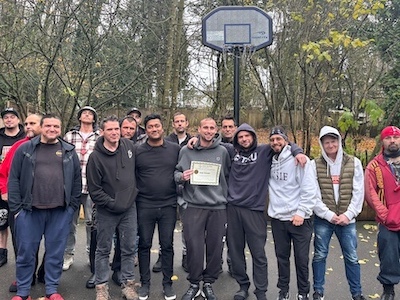
Men-Only Alcohol Treatment Since 2012
Men open up faster and hold each other to a higher standard in a room full of other men doing the same work. Into Action has been men-only from the start.
A Program Built on Structure and Accountability
Every man follows a set daily schedule and answers to staff, to his peers, and to himself. There is no coasting through this program.
Counselling and 12-Step Work
Individual counselling and group therapy are combined with 12-step work, so men deal with why they drink, not just the drinking.
30, 60, and 90-Day Alcohol Rehab Programs
Length of stay is based on what each man needs. Many men do best with a longer stay, and our long-term rehab gives them the time.
Sober Living After Alcohol Rehab
Men don't go straight home to the same environment. They move into transitional housing and sober living with the same structure and brotherhood.
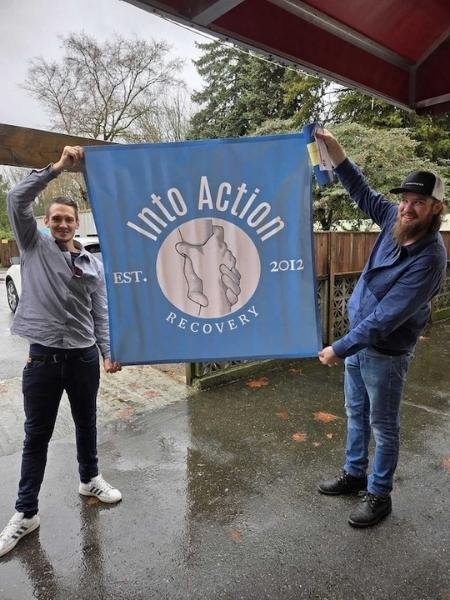
A Day In Our Alcohol Rehab Program
Most men walk into alcohol rehab not knowing what the days will look like. At Into Action Recovery, every day runs on a schedule, and every man is expected to show up for all of it.
Each day combines counselling, group work, and time with peers, so men deal with why they drink while building the routines that keep them sober.
What A Day In Alcohol Treatment Includes:
- Morning check-ins and goal setting
- Structured therapy and recovery programming
- Individual and group counseling sessions
- Education on addiction and relapse prevention
- Physical activity and personal wellness routines
- Peer accountability and recovery meetings
- Evening reflection and planning for the next day
Throughout the program, men are surrounded by peers who are working toward the same goal: building a stable, sober life. This structured environment allows individuals to step away from outside pressures and focus fully on recovery while developing the mindset and discipline needed to stay sober long after treatment ends.
Meet Our Expert Alcohol Rehabilitation Team
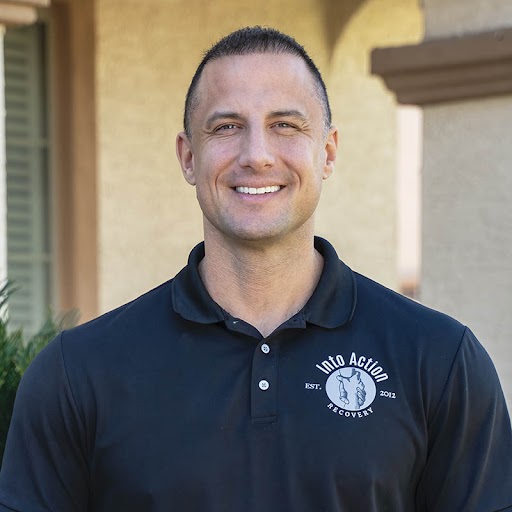
Chris Burwash, ICAS III, CCAC - CEO & Founder
Chris Burwash is the Founder and CEO of Into Action Recovery and a man in long-term recovery with more than two decades of experience helping men overcome addiction. Since founding the program in 2012, he has helped thousands rebuild their lives through structured recovery programs built on accountability, discipline, brotherhood, and long-term sobriety.

Anya Schecter - Administrative Manager
Anya Schecter is the Administrative Manager at Into Action Recovery, where she has overseen operational systems and client care processes since 2016. With more than 18 years of administrative and leadership experience, she helps ensure consistent, high-quality support for individuals in addiction treatment. Anya also serves on the board of a local recovery-focused nonprofit.

Christopher Loughlin, CCAC, ICADC – Program Manager
Christopher Loughlin is Program Manager at Into Action Recovery and a certified addiction counsellor with CCAC and ICADC credentials. After overcoming more than two decades of addiction, he now helps guide men through structured recovery programs. Christopher holds a diploma in Addiction and Community Services Work and has completed extensive training in the addiction treatment field.

Achi Thilakeratne – Group Facilitator
Achi Thilakeratne combines a unique blend of personal experience, empathy, and professionalism in the field of addiction recovery and social services. Originally from Sri Lanka, Achi moved to Australia at a young age, grew up in California, and ultimately settled in Vancouver. Drawing from a background in hospitality, where he honed skills in managing people and high-stress environments as a front-of-house manager.
Get Into Action Today
Men, get back on track, rebuild confidence, and move forward with purpose. Support is available right now for you or someone you love.
Contact us for support
Contact Form


Get Your Life Back
Get Into Action Today
Proven since 2012, our program helps men stabilize, heal, and build the foundation for lifelong recovery through discipline, therapy, and brotherhood.
-
🌟 Frequently Asked Questions
FAQs About Alcohol Addiction & Treatment
What is alcohol addiction?
Alcohol addiction, also called alcohol use disorder, is a condition where a person loses control over their drinking and continues consuming alcohol despite negative consequences. It affects brain chemistry, behavior, and decision-making, often leading to physical dependence and difficulty stopping without professional support.
How Do I Know If I Need Alcohol Rehab?
Someone may need alcohol rehab if drinking becomes difficult to control, begins affecting health or relationships, or causes withdrawal symptoms when alcohol use stops. Common warning signs include frequent heavy drinking, strong cravings, difficulty cutting back, and continuing to drink despite serious consequences.
What Happens During Alcohol Rehabilitation?
Alcohol rehab provides a structured environment where individuals focus on recovery through therapy, peer support, and behavioral change. Treatment typically includes individual counseling, group therapy, addiction education, relapse prevention planning, and daily routines that help individuals develop the skills needed to maintain long-term sobriety.
What Are Alcohol Withdrawal Symptoms?
Alcohol withdrawal symptoms can occur when someone who has been drinking regularly stops suddenly. Symptoms may include shaking, anxiety, sweating, nausea, insomnia, elevated heart rate, and irritability. In severe cases, withdrawal can be dangerous and may require medical supervision.
Can An Alcoholic Ever Stop Drinking?
Yes, many people successfully recover from alcohol addiction with the right support and treatment. Recovery often involves structured treatment, therapy, lifestyle changes, and ongoing support systems that help individuals maintain sobriety and build a healthier life without alcohol.
What Causes Alcohol Addiction?
Alcohol addiction develops from a combination of biological, psychological, and environmental factors. Genetics, mental health conditions, stress, trauma, and long-term drinking habits can all contribute to the development of alcohol use disorder.