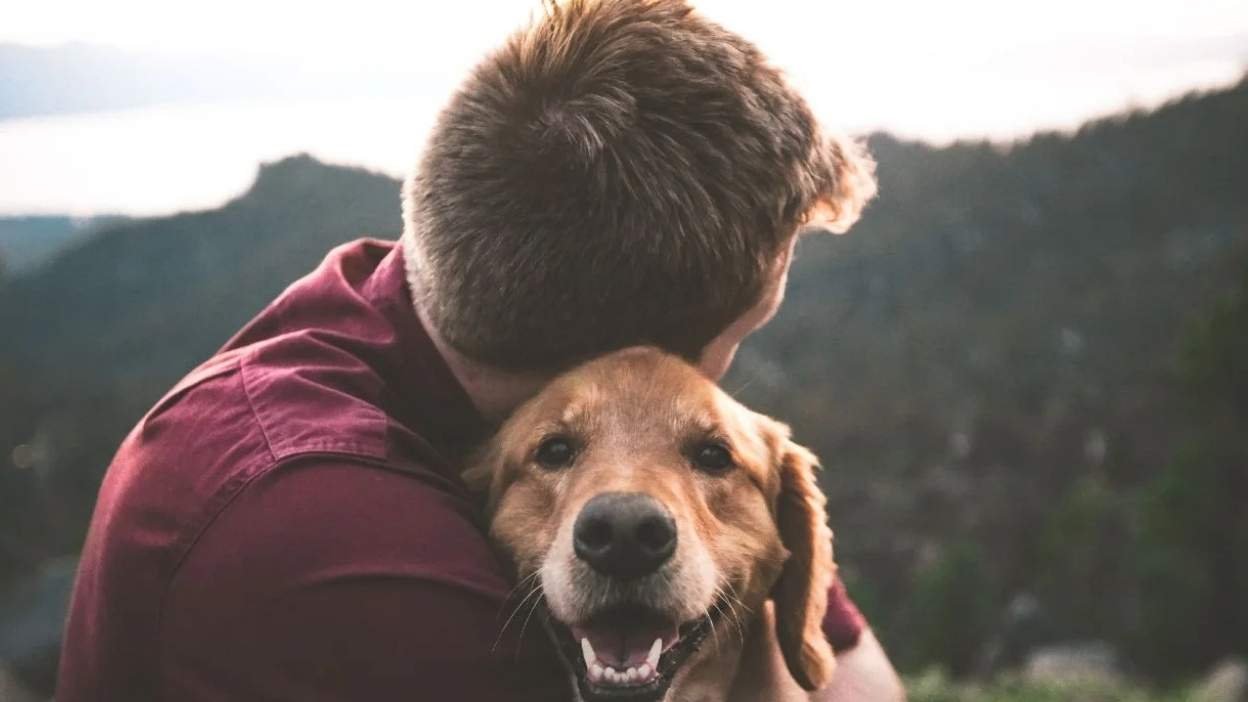
The recovery journey is about rebuilding your life with structure, discipline, and accountability. While clinical care and 12-step work are the cornerstones, a powerful, often overlooked ally can support this transformation: a pet. The benefits of having a pet go far beyond simple companionship. For a man committed to long-term recovery, caring for an animal can reinforce the very principles needed to stay sober. This article explores the tangible mental and physical health benefits of pet ownership and explains how the responsibility of caring for a pet can strengthen your recovery journey during addiction treatment.
Quick Takeaways
- Pets can provide companionship and may help some people feel less lonely or stressed, but research on whether pet ownership reliably reduces depression and anxiety is mixed, and pets should be seen as a supportive complement, not a treatment.
- The daily routine required for pet care, feeding, walking, and grooming, builds structure and a sense of purpose, reinforcing discipline and responsibility.
- Owning a pet, particularly a dog, encourages physical activity, which can provide benefits for both mental and physical health, from reducing stress to improving heart health.
- The human-animal bond can lower stress levels (cortisol) and increase calming hormones (oxytocin), providing a healthy outlet for managing stressful situations.
- Caring for a living being fosters empathy, selflessness, and a powerful sense of responsibility, key character traits that support lasting recovery.
Looking For A
Men’s Rehab In British Columbia, Canada
?
Visit One Of Our Locations Near You
Into Action Recovery helps men access structured, evidence-based addiction treatment close to home. Explore our British Columbia rehab locations below to find the centre that is most convenient for you or your family.
The Advantages of Having a Pet in Addiction Recovery
Beyond the well-documented benefits generally, pets offer some less obvious advantages for those in recovery.
- Animals are remarkably attuned to human emotions, often sensing distress before you consciously recognize it, possibly serving as an early warning system for emotional relapse triggers.
- Pet ownership also creates natural opportunities for community, connecting you with neighbors, veterinarians, and fellow pet owners who form an organic sober social network.
- Additionally, the financial planning required to budget for pet food, veterinary care, and supplies builds practical money management skills, reinforcing the broader life organization that sustainable recovery demands.
- Caring for a pet establishes a consistent daily routine, feeding, walking, and grooming schedules, that provides structure and purpose, two elements often missing in early recovery and critical to preventing relapse.
- The unconditional acceptance a pet offers can help rebuild self-worth damaged by addiction, reminding you daily that you are capable of being loved and trusted, which strengthens the emotional foundation recovery requires.
More Than a Friend: Mental Health Benefits of Pet Ownership
One of the greatest challenges in recovery is navigating the emotional landscape of anxiety, depression, and loneliness. A pet may provide companionship and emotional comfort that some people find helpful when coping with loneliness or stress. An animal doesn’t judge your past; it responds to your care in the present moment. This simple, honest connection can dramatically ease loneliness and provide constant, reliable support.
Some research suggests that interacting with animals, especially dogs, can decrease cortisol (a stress-related hormone) and increase oxytocin, which promotes feelings of calm and well-being. Reduced stress and improved emotional regulation may be helpful during recovery, but pets are best viewed as one support among many rather than a proven relapse-prevention tool. For a man learning to manage his emotions without substances, a furry friend offers a healthy and immediate source of comfort and emotional support.
A Structured Path to Wellness: Physical Health Benefits
Recovery is built on routine and discipline, and a pet is a masterclass in both. The demands of pet ownership create a non-negotiable daily routine. A dog needs to be walked, a cat needs to be fed, and a fish tank needs to be cleaned. This structure forces you to think beyond your own needs and builds a foundation of responsibility.
This routine also promotes physical activity. Numerous studies, including those highlighted by the American Heart Association, have linked dog ownership with improved heart health. Dog owners are more likely to get regular exercise, which helps lower blood pressure, manage stress, and improve overall fitness. The simple act of taking a dog for a walk gets you out of the house and into the world, breaking patterns of isolation and creating opportunities for positive social interaction.
| Health Metric | Impact of Pet Ownership | Underlying Reason |
|---|---|---|
| Blood Pressure | Can be lowered. | Increased physical activity and stress reduction from companionship. |
| Cholesterol Levels | Pet owners often show lower levels. | More active lifestyle, particularly with dogs. |
| Stress/Anxiety | Reduced symptoms of both. | Release of oxytocin and decrease in cortisol from interaction. |
| Physical Activity | Higher levels of daily exercise. | Responsibility of walking and playing with a pet. |
Building Responsibility and a Renewed Sense of Purpose
For many people, caring for a pet can strengthen their sense of purpose and daily accountability. Addiction often narrows a person’s focus to their own needs and desires. A core part of the recovery journey is shifting that focus outward. Owning a pet is a powerful way to cultivate this sense of responsibility. Knowing that another living being depends on you for its survival, for food, water, exercise, and affection, instills a profound sense of purpose.
This is no small thing. Some people find that being responsible for a pet increases their motivation to maintain healthier routines and avoid behaviors that could harm themselves or their animal. You have a reason to get up in the morning, a reason to stay sober, and a reason to come home. This responsibility rebuilds self-worth and reinforces the accountability that is central to a successful, long-term recovery.
The Responsibility-Purpose Cycle
- Action: You feed and walk your pet.
- Result: The pet shows affection and remains healthy.
- Internalization: You feel capable and needed.
- Reinforcement: This feeling of purpose strengthens your resolve to stay sober for both yourself and your pet.
Choosing the Right Companion for Your Recovery
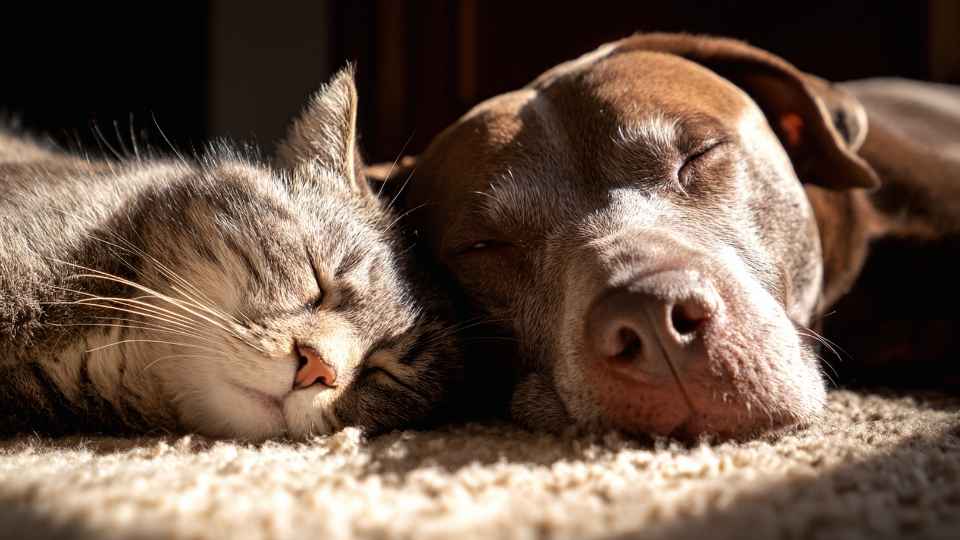
While the benefits of having a pet are clear, it is crucial to choose the right animal for your specific situation. A dog may seem like the obvious choice due to the exercise benefits, but they require significant time, energy, and financial commitment. For someone in early recovery or with a demanding schedule, a cat can offer similar companionship with more independence. Even smaller animals like fish or birds can provide structure and a calming presence.
Before owning a pet, honestly assess your lifestyle, living situation, and financial stability. Consider fostering an animal from a local shelter to experience the responsibilities of pet ownership without the long-term commitment. The goal is to find a companion that adds to your well-being, not one that creates additional stress and anxiety.
| Pet Type | Key Benefits | Main Considerations |
|---|---|---|
| Dog | Encourages exercise, social interaction, strong bond. | High time, energy, and financial commitment. |
| Cat | Independent, provides companionship, lower energy needs. | Can be less interactive, potential for allergies. |
| Fish | Calming presence, low maintenance, requires minimal space. | Limited interaction, tank maintenance required. |
| Bird | Social and interactive, can be trained. | Can be noisy, requires specific dietary care. |
Benefits of Having a Pet Frequently Asked Questions
Can a pet cure addiction?
No, a pet cannot cure addiction. Addiction is a complex disease that requires comprehensive addiction treatment, clinical support, and a commitment to a program of recovery. However, a pet can be a powerful component of a holistic recovery plan, providing emotional and psychological support that strengthens a person’s ability to maintain sobriety.
What if I can’t have a pet where I live?
If you cannot own a pet, there are other ways to experience the human-animal bond. Consider volunteering at a local animal shelter or offering to walk a neighbor’s dog. These activities provide many of the same mental and physical health benefits, including structure, purpose, and connection, without the full-time responsibility.
Are there any risks to getting a pet in recovery?
Yes. The primary risk is taking on the responsibility before you are ready, which can lead to stress and overwhelm. It is essential to have a solid foundation in your own recovery before becoming a primary caregiver for an animal. A pet’s illness or death can also be emotionally triggering, so having a strong support system is crucial.
Your Path Forward Starts Now
Recovery is about taking action and building a life of purpose and accountability. The responsibility and unconditional support of a pet can be a transformative part of that process. At Into Action Recovery, we help men build the disciplined, structured lives necessary for long-term sobriety. If you are ready to reclaim your life, we provide a proven path to get there.