Opioid Addiction Treatment
Into Action Recovery Centre provides men only inpatient treatment for opioid addiction, helping individuals stabilize, understand the roots of opioid dependence, and build a foundation for long term recovery.
What Are Opioids?
Opioids are a class of drugs that act on specific receptors in the brain and nervous system to reduce pain and produce feelings of relaxation or euphoria. Some opioids are legally prescribed by physicians for pain management. Others are illegal substances manufactured or distributed outside of medical regulation.
Regardless of how they are obtained, opioids affect the brain in similar ways and carry a significant risk of misuse, physical dependence, and addiction.
There are two primary categories of opioids: prescription medications and illicit opioids.
Common Prescription Opioids
- Oxycodone (OxyContin, Percocet)
- Hydrocodone (Vicodin)
- Morphine
- Codeine
- Hydromorphone (Dilaudid)
- Tramadol
- Fentanyl in regulated medical forms such as patches or lozenges
These medications are often prescribed after surgery, injury, or for chronic pain. When used under medical supervision for short periods, they can serve a legitimate purpose. However, prolonged use, increasing dosage, or misuse outside medical direction can lead to dependence.
Common Illicit Opioids
- Heroin
- Illicitly manufactured fentanyl
- Carfentanil
- Non regulated opium derivatives
Illicit opioids are often more potent and unpredictable in strength. In many cases, individuals transition from prescription opioids to illegal opioids due to cost, availability, or tolerance.
Many men begin opioid use through a legitimate prescription. Others are introduced through recreational settings. Over time, tolerance can increase, doses escalate, and use shifts from voluntary to compulsive. The underlying pattern is the same: the brain adapts, and stopping becomes increasingly difficult without structured support.
How Opioid Use Becomes Opioid Addiction
Opioids directly impact dopamine pathways in the brain, reinforcing repeated use. As tolerance builds, higher amounts are required to achieve the same effect. The body adapts, leading to physical dependence.
When opioid use continues, men may experience:
- Strong cravings or compulsive use
- Increasing dosage beyond prescription guidelines
- Using opioids to avoid withdrawal symptoms
- Loss of control over frequency or quantity
- Continued use despite physical, emotional, or social consequences
- Isolation from family and responsibilities
- Financial or legal problems related to use
Over time, daily life begins to revolve around obtaining and using opioids. What may have started as pain relief or experimentation becomes a cycle of dependency that is difficult to break without structured support.
Opioid Withdrawal and Early Recovery
Opioid dependence develops quickly, and withdrawal symptoms can begin within hours after the last use, particularly with short acting opioids such as heroin or oxycodone.
Common opioid withdrawal symptoms include:
- Muscle aches and bone pain
- Nausea, vomiting, and abdominal cramping
- Diarrhea
- Sweating, chills, and goosebumps
- Restlessness and inability to sit still
- Anxiety, agitation, or irritability
- Insomnia
- Dilated pupils and watery eyes
- Intense drug cravings
While opioid withdrawal is typically not life threatening in otherwise healthy individuals, it can be physically and emotionally distressing. Many men return to use simply to stop the discomfort.
Withdrawal symptoms can vary by substance and severity. Our team provides clinical monitoring and therapeutic support during early recovery.
*Admissions Note: We do not provide medical detox services. Individuals who require acute medical detox must complete detox at an appropriate facility before admission.
Why Men Choose Structured Treatment for Opioid Addiction
Opioid addiction rarely exists in isolation. It often intersects with stress, unresolved trauma, performance pressure, physical injury, or long standing patterns of avoidance. Addressing the substance without addressing the man behind it is not enough.
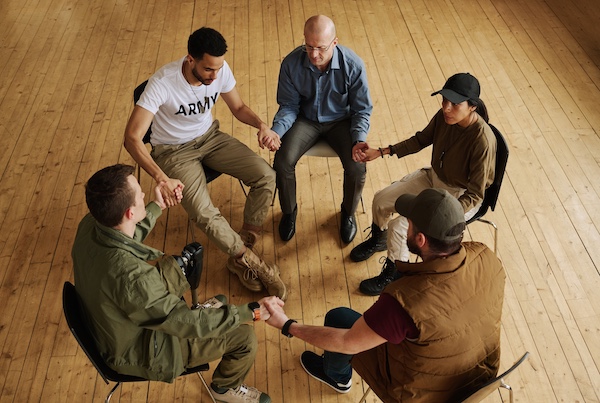
Residential treatment provides separation from access, stability in daily routine, and consistent accountability. In that environment, men are able to examine decision making patterns, rebuild discipline, and re establish standards for how they live.

Recovery & Support
Opioid addiction is treatable with the right care and support. Drug rehab offers a safe, structured environment where individuals can begin recovery and build the skills needed to maintain long-term sobriety. Seeking professional help is a critical step toward overcoming opioid addiction and creating a healthier future.
- Drug & Alcohol Addiction Treatment At Into Action Recovery
How Treatment Works
At Into Action, our drug and alcohol addiction treatment helps men stabilize, remove daily triggers, and rebuild a foundation for long-term recovery. The goal is not short-term abstinence. It is structure, accountability, and relapse resistance that lasts.
Our structured inpatient program includes:
- Comprehensive assessment and intake
- Stabilization and early recovery support
- Evidence based individual and group therapy
- Relapse prevention and coping skills development
- 12-step integration and peer accountability
- Transition planning and aftercare preparation
The focus is practical: coping skills, relapse prevention, and a clear next step plan for life after residential care.
- Why Inpatient Treatment At Into Action
Over a Decade of Proven Results
Founded in 2012, Into Action Recovery Centre has helped men across Canada rebuild their lives through structured, accountability driven inpatient treatment. Our program is designed for men who need more than short-term intervention and are ready to commit to lasting change.
Men choose Into Action for:
- A men only recovery environment built on structure and accountability
- A proven inpatient model refined over more than a decade
- Evidence based therapy combined with 12-step principles
- Brotherhood, peer accountability, and real world skill building
- Clear transition planning and ongoing recovery support
The focus is practical: coping skills, relapse prevention, and a clear next step plan for life after residential care.


Get Your Life Back
Get Into Action Today
Proven since 2012, our program helps men stabilize, heal, and build the foundation for lifelong recovery through discipline, therapy, and brotherhood.