
Addiction does not happen overnight. The process of addiction might follow a linear progression through various stages, starting from initial use and potentially leading to full-blown addiction, with the duration of each stage varying by individual and substance. However, it does not always follow a neat path. For some people, substance use progresses gradually; for others, it becomes problematic more quickly or follows a recurring cycle of use, withdrawal, craving, relapse, and recovery. Understanding the stages of addiction can help you or a loved one recognize warning signs early and seek drug rehab before the cycle spirals out of control.
The progression of addiction generally shifts from voluntary use to compulsive behavior driven by physical and psychological changes. Whether someone is dealing with drugs or alcohol, the patterns tend to follow a recognizable path. Recognizing where a person falls on this spectrum is one of the most important steps toward getting help.
In this guide, we walk through each stage of addiction, the signs to watch for, and how treatment and recovery can lead to lasting change.
Understanding the Stages of Addiction

From a neurobiological perspective, addiction is often described as a three-stage recurring cycle: Binge and Intoxication, Withdrawal and Negative Affect, and Preoccupation and Anticipation. Research from the National Institute on Drug Abuse supports this framework and highlights how the brain’s reward system is fundamentally altered through repeated substance use.
The stages of addiction provide a roadmap for understanding how casual drug use or alcohol consumption can gradually develop into a substance use disorder. Each stage brings its own set of challenges and warning signs. The earlier a person recognizes these signs, the better the chances of recovery. Health Canada uses a progression of different stages to define substance use disorders.
| Stage | Description | Examples |
|---|---|---|
| Non-use | Avoiding the use of substances (abstinence) | No use of drugs, tobacco, or alcohol |
| Beneficial use | Use that can have positive health, social, or spiritual effects | Taking medication as prescribed; ceremonial or religious use of tobacco (e.g., smudging) |
| Lower-risk use | Use with minimal negative impact on the individual or others | Drinking within low-risk alcohol guidelines; cannabis use following lower-risk guidelines |
| Higher-risk use | Use that negatively impacts the individual and those around them | Binge drinking, impaired driving, using illegal drugs, combining substances, increasing frequency or quantity |
| Addiction (Substance Use Disorder) | A treatable medical condition involving compulsive use despite harmful consequences | Inability to stop using drugs, tobacco, or alcohol even when wanting to |
Not everyone who tries drugs or alcohol will progress through every stage. Factors such as family history, environmental factors, mental health, and the type of substance all play a role in determining who is at higher risk of developing an addiction.
Inpatient Rehab at Into Action Recovery
Inpatient rehab gives men a safe, immersive environment to step away from daily triggers and focus fully on healing. With 24/7 support, clinical care, structured routines, and a strong recovery community, residential treatment helps build the foundation for lasting sobriety and meaningful change.
At Into Action Recovery, inpatient treatment is designed for men who need focused support for substance use, accountability in early recovery, and a program that combines therapy, structure, and brotherhood in a calm, purpose-driven setting.
Why Substance Use Disorder Develops
Substance use disorder is a complex condition influenced by a combination of biological, psychological, and social factors. Health Canada frames addiction as a treatable medical condition on a spectrum that affects the brain, and the American Psychiatric Association defines it in the Diagnostic and Statistical Manual of Mental Disorders as a pattern of use that leads to significant impairment or distress.
A person with a mental health disorder, such as depression or anxiety, may turn to drugs or alcohol as a form of self-medication. This is one reason why co-occurring mental health conditions must be addressed in treatment. Peer pressure and peer groups also contribute significantly, particularly during adolescence when the brain is still developing.
Genetics matter as well. A family history of addiction places individuals at higher risk for developing similar patterns. The National Institute on Alcohol Abuse and Alcoholism has published extensive research showing how hereditary traits can influence a person’s vulnerability to substance abuse and addiction.
The Role of Substance Abuse in Early Patterns
Substance abuse often begins subtly. A person may use alcohol to relax after work or take a prescription drug for pain management. Over time, the line between casual use and abuse becomes blurred.
Drug abuse can develop quickly depending on the substance involved. The risk of addiction and how fast one becomes addicted varies by drug, with some substances, such as opioid painkillers, having a higher risk and causing addiction more quickly than others. Understanding this distinction is essential for addiction education.
Environmental factors also play a role. Stressful living conditions, trauma, and a lack of support can all push a person toward repeated substance use as a coping mechanism.
How Drug Use Begins: The First Stage
The first stage of addiction is initiation, where individuals try a substance for the first time, often influenced by curiosity or peer pressure, particularly in adolescence. This initial experience may happen in social settings, at a party, with friends, or in response to cultural pressure to fit in.
Drug addiction can start with experimental use of a recreational drug in social situations, and for some people, the drug use becomes more frequent, leading to significant health risks. At this first stage, there is typically no physical dependence, and the person feels fully in control.
Many people try drugs or alcohol at an early age without ever developing addiction. However, research shows that those who begin using substances earlier in life face a greater likelihood of developing dependence later on.
Curiosity, Peer Pressure, and Club Drugs
Peer pressure is one of the most powerful influences during the initiation stage. Young people surrounded by peer groups who use substances are far more likely to experiment with substances themselves. Club drugs such as ecstasy, ketamine, and GHB are frequently introduced in party environments and can be particularly dangerous due to their effects on the brain and the mucous membrane.
These substances can cause involuntary eye movements, poor coordination, slurred speech, and memory loss even after a single use. Other drugs like methamphetamine carry additional risks, including meth mouth, gum disease, and tooth decay with prolonged use.
The social nature of this stage often masks its dangers. Because use feels voluntary and controlled, many individuals do not recognize the risk they are taking.
From Experimentation to Regular Use
In the experimentation stage, users begin to take the substance in various contexts, often associating it with social activities, but still maintain control over their use without cravings or dependency. This second stage is where the substance starts becoming tied to specific routines or emotional states.
As usage transitions from a one-time occurrence to a predictable pattern, the substance becomes part of a routine and may be used to cope with specific emotions or social situations. A person may drink every weekend, use drugs after stressful days at work, or rely on substances to feel comfortable in social settings.
Regular use does not always mean daily use. It means the person continues to seek out the substance with increasing frequency. Motivation to use shifts from curiosity to habit, and the brain begins adapting to the presence of the substance.
This stage is critical because it is where intervention can be most effective. If you notice changes in a loved one’s behavior at this point, learning about the signs of alcoholism or early signs of opiate addiction can help you take action.
Tolerance and Risky Behaviors: When Drug Addiction Takes Hold
Tolerance occurs when the body requires higher doses of a substance to achieve the same effects; risky use involves engaging in dangerous behaviors while under the influence. A person at this stage needs more of the drug or alcohol to achieve the same effect they once experienced at lower doses.
This is the point where drug addiction begins to significantly impact daily life. The person continues using the drug despite negative consequences at work, in relationships, and in their health. Risky behaviors such as driving under the influence, mixing drugs with other substances, or using in dangerous environments become more common.
The brain’s reward system has been fundamentally altered by this stage. The brain requires the substance to produce normal levels of dopamine, leading to drastic changes in mood, behavior, and motivation. Mood swings, depression, and increased fatigue are common.
Signs of drug addiction can include frequent absences from work, poor decision-making, increased fatigue, and symptoms of depression. Common signs of addiction include changes in mood or behavior, such as acting withdrawn, tired, depressed, or hostile, especially in adolescents.
If you are recognizing these patterns in yourself or someone close to you, exploring inpatient rehab options can provide the structured support needed to break the cycle.
Alcohol Addiction and Its Unique Progression
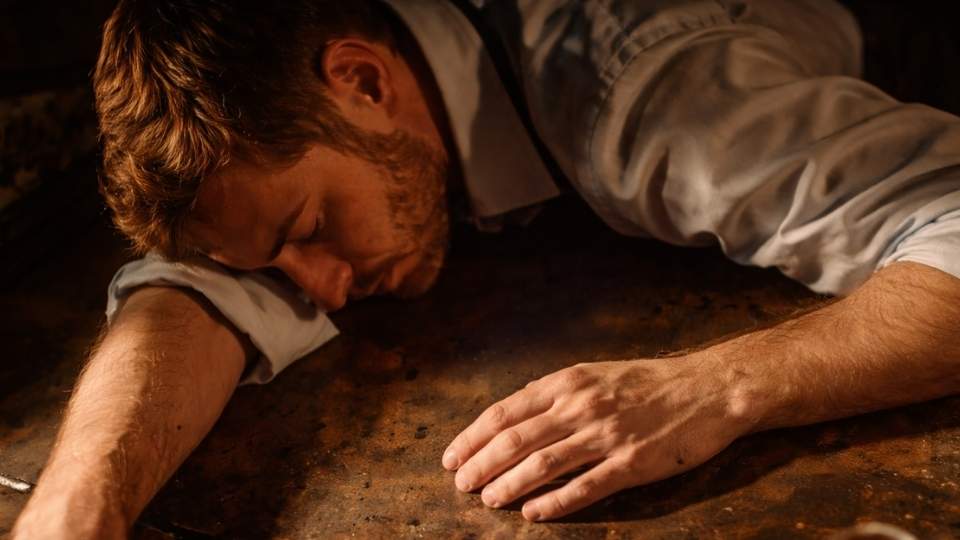
Alcohol addiction follows a similar trajectory but carries unique challenges because alcohol is legal and widely accepted in social settings. Many people struggle to identify when their drinking has crossed the line from social use into dependence.
Unlike other drugs, alcohol use is often normalized, making it harder for family members and friends to recognize the difference between alcoholism and heavy drinking. Over a long period, a person continues to increase their intake to achieve the same effect, and the body reacts by developing a physical reliance on alcohol.
Alcohol addiction can also lead to serious medical complications, including liver disease, cardiovascular problems, and neurological damage such as wet brain syndrome. Substance use can lead to serious medical problems and even death by overdose, medical sequelae, accidents, and suicide if left untreated.
Understanding the alcohol withdrawal symptoms timeline is essential for anyone considering stopping, as withdrawal from alcohol can be medically dangerous without professional supervision.
The Dependence Stage: What Happens When You Stop Taking a Substance
The dependence stage is characterized by a reliance on the substance, where the individual develops a tolerance and experiences withdrawal symptoms if they stop using it abruptly. At this point, the person’s body has adapted to the presence of drugs or alcohol, and the body reacts negatively when the substance is removed.
Withdrawal symptoms vary depending on the substance but can include nausea, tremors, anxiety, depression, poor coordination, slurred speech, and, in severe cases, seizures or even death. These physical and psychological responses make it extremely difficult for a person to stop taking substances without professional help.
Dependence does not always mean addiction, but it is a significant warning sign. A person who has developed dependence on a prescription drug, for example, may not exhibit the compulsive drug-seeking behaviors associated with addiction but will still experience withdrawal when they stop taking the medication.
Addiction medicine has advanced significantly in recent years, offering evidence-based protocols to manage withdrawal safely. If you or a loved one is experiencing dependence, understanding what to expect from detox is an important first step.
Full Addiction: Loss of Control Over Substance Use
Addiction is marked by a loss of control over substance use, where the individual feels they cannot function without the drug, leading to compulsive behaviors and significant life disruptions. This final stage represents the most severe point on the spectrum.
At this stage, the person continues using drugs or alcohol despite devastating consequences to their health, relationships, career, and finances. Individuals may continue using drugs despite the harm it causes, indicating a loss of control over their substance use, which is a key sign of addiction. Family problems, legal issues, and complete social isolation are common.
The person’s entire life revolves around obtaining and using the substance. Using the drug becomes the primary focus of each day. Other responsibilities, relationships, and interests fall away. The brain’s reward pathways have been so deeply altered that the person experiences intense cravings and an inability to feel normal without the substance.
Substance use disorder at this level often requires intensive intervention. Programs like drug rehab offer comprehensive, structured treatment designed to address every dimension of the condition.
How Addiction Affects Family Members
Addiction not only affects the person using substances, but it also has a profound impact on family members and loved ones. Watching a loved one struggle with drug abuse or alcohol addiction can lead to anxiety, depression, and feelings of helplessness.
Family problems often escalate as addiction progresses. Trust erodes, communication breaks down, and relationships can become defined by conflict and resentment. Children who grow up with addicted parents face a higher risk of developing their own substance use issues later in life.
Support for family members is an essential part of the recovery process. Family support groups and education programs, such as the CRAFT method, can help loved ones understand addiction, set healthy boundaries, and encourage their family member to seek treatment.
Recognizing the Signs of Addiction
Knowing the signs of addiction can mean the difference between early intervention and a crisis. Warning signs vary by substance and person, but common indicators include drastic changes in appearance, neglecting responsibilities, withdrawing from social activities, and increased secrecy.
Physical signs can include weight changes, bloodshot eyes, poor coordination, and unusual odors. Behavioral signs include sudden changes in friends, unexplained financial problems, and a decline in personal hygiene or motivation.
If someone you care about is displaying these signs, do not wait. Learning how to help a loved one get addiction treatment can provide guidance on having supportive, productive conversations about recovery.
Treatment and the Path to Recovery
Treatment for substance use disorder can include outpatient therapy, peer support groups, and early intervention programs, which can help break the cycle before dependency develops. The admissions process at most treatment centers begins with an assessment to determine the right level of care.
Comprehensive rehabilitation programs address underlying trauma, co-occurring mental health conditions, and coping skills for long-term recovery. Treatment may include individual therapy, group counseling, cognitive behavioral therapy, dialectical behavioural therapy, and holistic approaches like meditation and yoga.
Because addiction is a chronic condition, the progression often includes a Relapse stage, viewed as a common part of the lifelong learning process rather than a failure. Relapse is frequently considered a standard part of the chronic addiction cycle, often involving a return to earlier stages of the cycle, such as preoccupation or craving. Having a strong relapse prevention plan is critical.
Professional Help and Rehabilitation Programs
Professional help is often the most effective path to lasting recovery. Addiction medicine specialists, counselors, and therapists work together to create individualized treatment plans that address the physical, psychological, and social aspects of addiction.
Recovery is not a one-time event but an ongoing process that requires a lifelong commitment to wellness and sobriety, with relapse prevention plans helping individuals recognize triggers and develop healthy coping strategies. Long-term recovery depends on building a strong support system, developing new coping mechanisms, and addressing the root causes of substance use.
If you are struggling with cravings or triggers, remember that support is always available. Programs like 12-step recovery and SMART Recovery provide ongoing community and accountability throughout the recovery journey.
FAQs About the Stages of Addiction
What Are the Main Stages of Addiction?
The main stages of addiction include initiation, experimentation, regular use, tolerance, risky use, dependence, and full addiction. Each stage represents an escalation in substance use and a decrease in control. Not every person progresses through all stages, and the speed of progression depends on factors like the type of drug, genetics, mental health, and environmental influences.
Can a Person Recover After Reaching the Final Stage of Addiction?
Yes, recovery is possible at every stage, including the final stage. With the right treatment and support, individuals can rebuild their lives. Professional treatment programs, peer support, and aftercare planning all play a vital role. Recovery requires commitment and ongoing effort, but many people have found lasting sobriety after years of active addiction.
How Can Family Members Help Someone Struggling With Addiction?
Family members can help by educating themselves about addiction, setting healthy boundaries, and encouraging their loved one to seek professional help. Avoiding enabling behaviors and participating in family therapy or support groups can make a significant difference. Approaching the situation with compassion rather than judgment creates a more supportive environment for recovery.
Moving Forward, Recovery Is Possible
Understanding the stages of addiction is the first step toward change. Whether you are in the early stages of drug use or deep into dependence, there is always a path forward. Recovery is a process, and every step you take brings you closer to a healthier, more fulfilling life.
If you or someone you love is struggling with drugs or alcohol, do not wait for the situation to get worse. Reach out for support today. Into Action offers personalized drug rehab and inpatient rehab programs designed to meet you wherever you are in your journey and guide you toward long-term recovery.
You are not alone, and it is never too late to take the first step.