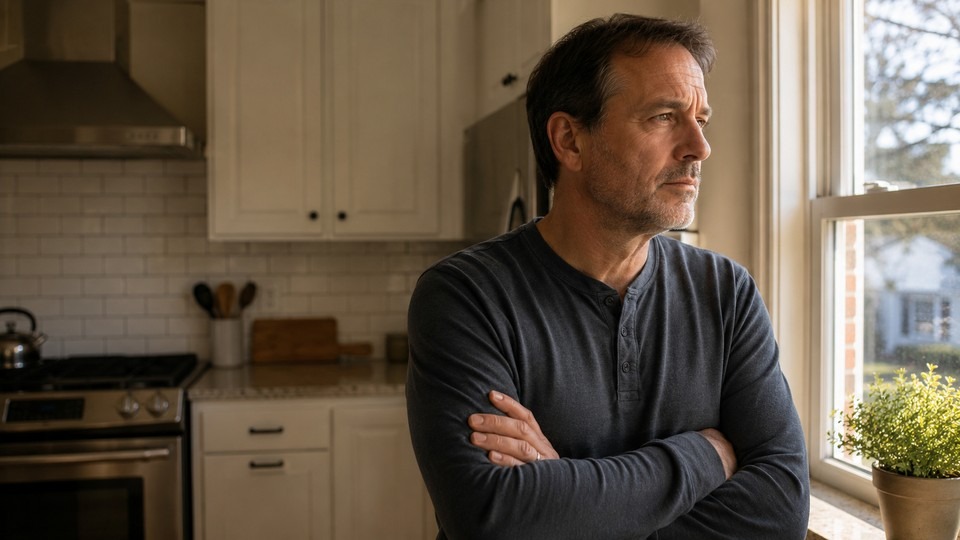
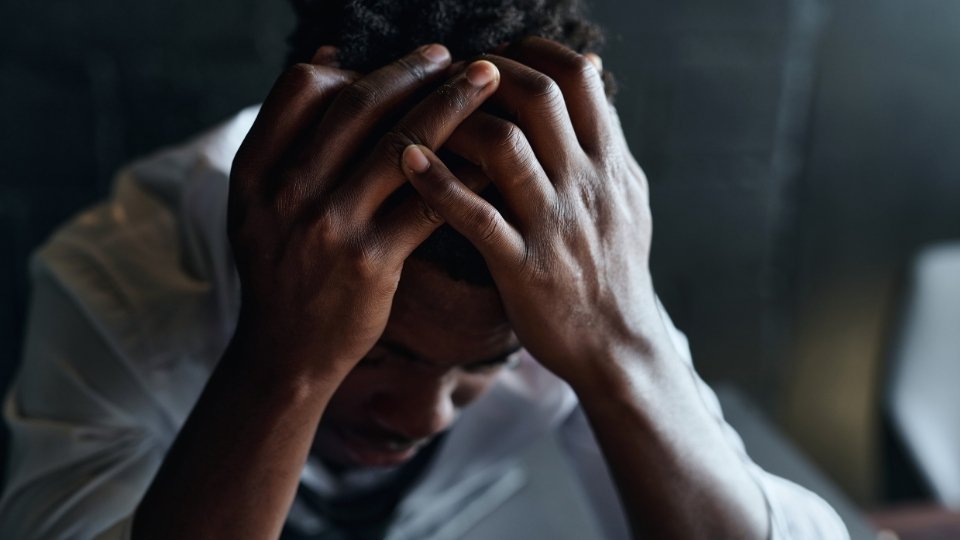
That second glass of wine seems to take the edge off, until you wake up at 3 a.m. with your heart racing and a sinking feeling you cannot quite explain. If this sounds familiar, you are not alone, and the link between booze and worry is more than a coincidence. The relationship between alcohol and anxiety is two-way: feelings of anxiety can push people to drink, and drinking can fuel new or worsening anxiety. For anyone caught in this loop, professional alcohol addiction treatment in Canada can offer the support needed to break the pattern. This article unpacks how alcohol affects the brain, why hangxiety happens, and what you can do to feel calm again.
Does Drinking Alcohol Cause Anxiety? The Short Answer
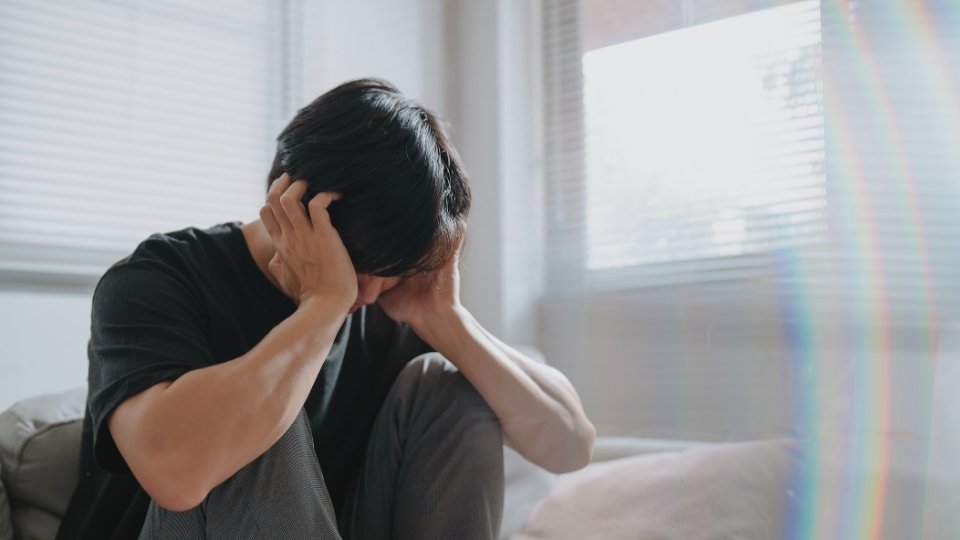
Yes, drinking alcohol can cause or worsen anxiety, even though it may seem to relieve stress in the moment. Alcohol is a depressant that slows down activity in the brain and central nervous system. It can briefly help a person feel relaxed, but as those effects wear off, some people experience a rebound increase in anxiety symptoms, especially after heavier drinking.
Research shows a strong link between regular alcohol use and worsened mental health, especially when alcohol is used as a way to cope with stress, anxiety, depression, or sleep problems. The more often someone uses alcohol to cope, the more likely they are to reinforce a cycle where anxiety and drinking feed each other.
How Alcohol Affects the Brain and Nervous System
To understand why alcohol can leave you feeling anxious, it helps to know what is happening inside your head when you drink.
GABA and Why You Feel Relaxed at First
Alcohol disrupts brain chemistry, particularly affecting GABA (gamma aminobutyric acid), a neurotransmitter that normally has a relaxing effect. Small amounts of alcohol can enhance inhibitory signaling, including GABA activity, which is why you might feel calm or social after one drink. Alcohol also suppresses glutamate, an excitatory neurotransmitter, which adds to the sedative feeling.
Over time, this repeated chemical disruption is one of the long-term effects of alcohol on the body that can quietly reshape mood and brain function.
The Rebound: When Anxiety Levels Spike
The problem is what happens next. As the alcohol wears off, your brain can overcorrect. Inhibitory effects fade while excitatory glutamate activity rebounds, leaving you tense, jittery, and prone to panic. Alcohol rebound and withdrawal effects can also activate the body’s stress systems, including cortisol activity and fight-or-flight responses. The result mimics a stress response, which is why anxiety levels often climb hours after your last drink.
For a deeper look at how alcohol shifts brain function, see this related read on whether alcohol is a stimulant or a depressant.
The Vicious Circle of Drinking and Anxiety
Many people drink to escape feeling anxious. The first sip may quiet anxious thoughts, but the cycle keeps tightening. You drink to relax, the effects wear off, anxiety rebounds harder, and you reach for more alcohol to cope. This vicious circle is a common pathway into problematic drinking and alcohol dependence.
People who already experience anxiety or depression are more likely to suffer from worsened symptoms. Alcohol may initially suppress anxious feelings, but for many people, especially after heavier drinking, it leads to worse anxiety once the effects diminish. Over time, what started as a coping tool becomes a source of the very stress it was meant to ease. If you suspect this pattern in your own life, our guide on whether you are drinking to cope with life may be a helpful next step.
What Is Hangxiety?
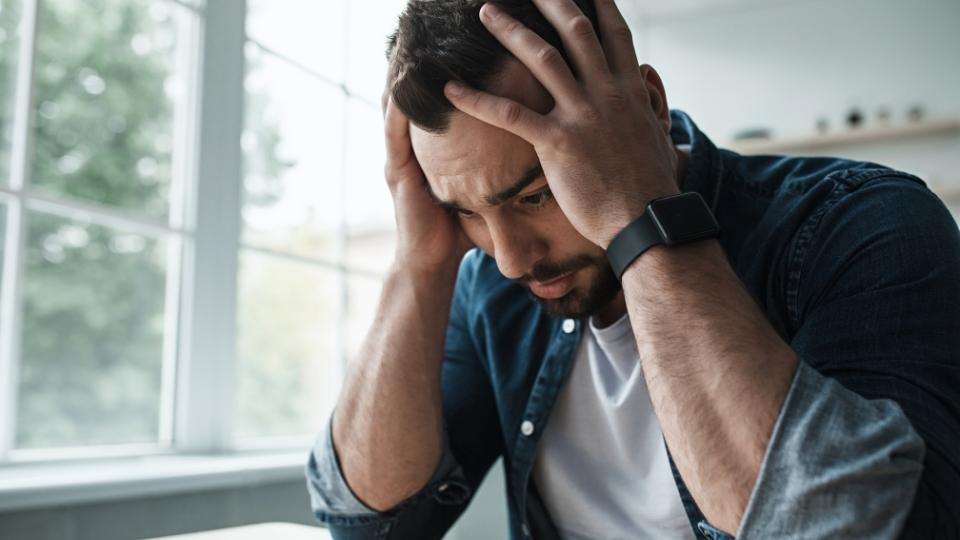
Hangxiety is an informal term that combines “hangover” and “anxiety,” describing the emotional and physical symptoms that can occur the morning after drinking alcohol. It is thought to occur through several overlapping effects, including GABA and glutamate rebound, stress-system activation, disrupted sleep, dehydration, blood sugar changes, and psychological regret or worry after drinking. Initial feelings of relaxation are followed by increased anxiety as the effects of alcohol wear off.
Understanding how long alcohol stays in your system also helps explain why hangxiety can linger well into the next day.
Common Symptoms of Hangxiety
People who experience hangxiety often notice a mix of physical and emotional signs the morning after drinking:
- Feelings of nervousness or a sense of impending doom
- Embarrassment or guilt about actions taken while drinking
- Trouble concentrating or focusing on daily tasks
- Physical symptoms like shakiness, sweating, and fatigue
- Racing heart or shallow breathing
- Intense self-criticism and worried thoughts
Alcohol is also a diuretic, and dehydration can lead to physical symptoms that may be misinterpreted as psychological panic. On top of that, alcohol can disrupt REM sleep and cause sleep fragmentation, which may reduce the ability to regulate negative emotions the next day. Wondering why your hands feel shaky after a night of drinking? Our article on why people shake after heavy drinking explains the science.
How to Prevent Hangxiety
You cannot guarantee a worry-free morning, but a few habits can soften the blow. Here are some practical steps to help prevent hangxiety:
- Drink plenty of water between alcoholic drinks and before bed to reduce dehydration
- Eat nourishing foods before and after drinking to steady blood sugar
- Drink less, avoid binge drinking, and consider avoiding alcohol if anxiety reliably follows drinking
- Practise deep breathing or breathing exercises the morning after
- Get rest and allow your body time to recover
- Try mindfulness or meditation to ease anxious thoughts
For more on calming techniques, our tips for managing anxiety and fear offer gentle strategies you can use at home.
Alcohol Affects: A Snapshot of Short-Term vs. Long-Term Effects
The table below shows how the effects of alcohol shift from the first drink to the next morning, and why anxiety can swing in the opposite direction over time.
| Stage | What Alcohol Does in the Brain | How You Feel |
|---|---|---|
| First 30 to 60 minutes | Enhances GABA activity, suppresses glutamate | Calm, social, less inhibited |
| 1 to 3 hours after drinking | Reward chemicals and mood may shift | Mood lifts, then dips |
| 4 to 12 hours after | Inhibitory effects fade, excitatory activity can rebound | Restless, on edge, trouble sleeping |
| Morning after | Stress-system activation, dehydration, and poor sleep overlap | Hangxiety, shaky, worried, low mood |
| Days of heavy drinking later | CNS can adapt to alcohol suppression | Baseline anxiety may rise |
Heavier sessions can also push past hangxiety into overdose territory, which is why recognizing alcohol poisoning symptoms vs drunk behaviour matters.
Alcohol Use and Mental Health
Alcohol use and mental health are deeply linked. Anxiety disorders are among the most common mental health conditions, and they often co-occur with an alcohol use disorder. Drinking can mask symptoms of an anxiety disorder, but it rarely treats the root cause. In many cases, regular alcohol use makes symptoms worse over time.
People who turn to drinking to manage panic, social fear, or stress may find that their anxiety disorder grows stronger as their drinking grows heavier. Curious about the line between casual use and a problem? Our piece on when alcohol use becomes alcoholism is a useful read.
Alcohol Use Disorder and Anxiety Disorders
An alcohol use disorder is a medical condition marked by impaired control over drinking, continued use despite harm, cravings, tolerance, withdrawal, or drinking that interferes with life. When paired with an anxiety disorder, the two can feed each other. Alcohol misuse can trigger panic attacks, while untreated anxiety can drive a person back to drinking.
Research shows that anxiety disorders and alcohol use disorder commonly co-occur, and anxiety can increase the risk of drinking to cope and developing alcohol-related problems. Treating both conditions at once, through integrated care, tends to produce better outcomes than treating either alone. Learn more about your options in our guide to alcohol addiction treatment.
Social Anxiety and Alcohol
For people with social anxiety, a drink can feel like liquid confidence. Around one in five individuals who live with social anxiety disorder also experience alcohol abuse, dependence, or alcohol use disorder, which highlights a significant overlap between the two.
If a partner’s drinking is contributing to your own anxiety, our alcoholic spouse survival guide offers guidance on boundaries and self-care.
Self-Medicating in Social Situations
Many people with social anxiety disorder report that alcohol helps them feel more comfortable and act more freely in social situations. This can lead to reliance on alcohol as a coping tool, which is a form of self-medicating. The cycle of using alcohol to manage social anxiety can lead to increased alcohol dependence. Drinkers feel relief in the moment, but experience heightened anxiety as the effects wear off. If you have ever wondered about the link between trauma, anxiety, and drinking, our article on PTSD and self-medicating is worth exploring.
Signs of Alcohol Abuse Linked to Anxiety
Alcohol abuse can look different from person to person, but some signs are common when anxiety is part of the picture. Watch for needing more alcohol to feel calm, drinking alone to ease worry, withdrawal-like symptoms when you stop drinking, and increasing anxiety on days off from alcohol. Our list of 7 signs of alcoholism and our piece on whether it is alcoholism or just heavy drinking can help you assess where you stand.
How to Stop Drinking and Manage Anxiety
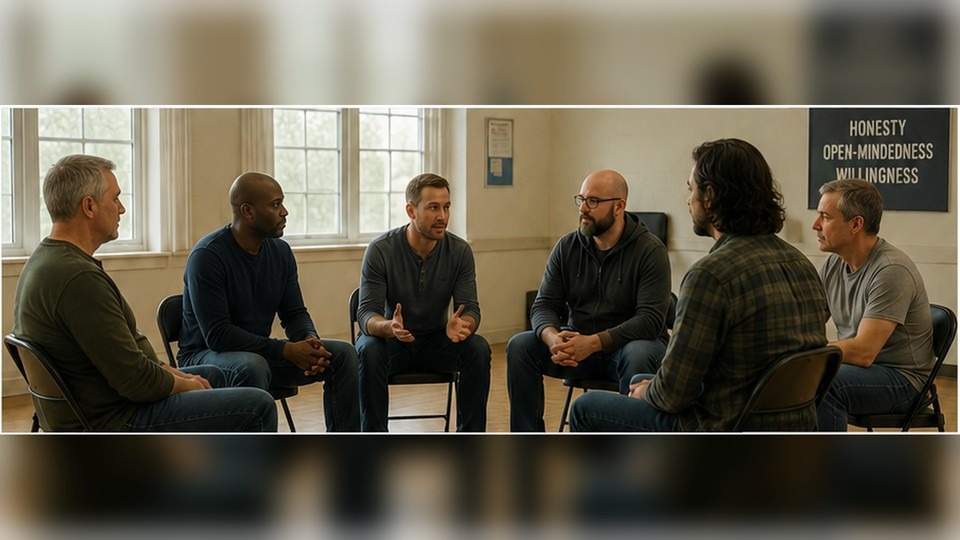
If you want to stop drinking, going it alone can be tough, especially when anxiety is in the mix. Withdrawal can intensify panic, raise heart rate, and bring on intense feelings of fear. Medications and therapy can ease this transition. Cognitive behavioural therapy has strong evidence for anxiety and substance use concerns, while mindfulness practices and peer support groups can be helpful parts of a broader recovery plan.
If you are ready to take that step, our “How to quit drinking alcohol guide” and overview of inpatient versus outpatient alcohol rehab can help you weigh your options. For those needing a fully supported environment, structured residential addiction care offers therapy, medical oversight, and time away from daily life triggers.
When to Seek Help
If anxiety is shaping your drinking habits, or your drinking is shaping your mood, it is worth talking to a professional. A doctor, counsellor, or treatment centre can help you understand whether what you are facing is hangxiety, an anxiety disorder, alcohol use disorder, or some combination. Early support can reduce the risk of escalation to more severe withdrawal symptoms or long-term mental health concerns.
This is especially important for heavy daily drinkers, since sudden cessation can trigger dangerous alcohol withdrawal seizures that require medical supervision.
Does Alcohol Cause Anxiety: Frequently Asked Questions
How long does anxiety from drinking last?
Hangxiety often lasts a few hours to a full day after drinking, depending on how much you drank, your sleep, and your hydration. For most people, symptoms ease as the body rebalances. If anxious feelings linger for days or weeks, it may point to a deeper anxiety issue worth discussing with a clinician.
Can quitting alcohol cure anxiety?
Quitting alcohol can significantly reduce anxiety for many people, especially when drinking was a major driver of the symptoms. However, if you have an underlying anxiety disorder, you may still need therapy, medications, or both. Quitting clears the picture so you and your provider can address what is really going on.
Is it safe to stop drinking suddenly if I have anxiety?
For people without heavy daily drinking or withdrawal history, cutting back is usually safe, though anxiety may spike in the short term. For heavy daily drinkers, sudden cessation can trigger severe withdrawal, including seizures. If you drink heavily, daily, have withdrawal symptoms, or have a history of seizures, speak with a healthcare provider before quitting. A medically supervised detox is often the safest path.
Final Thoughts
So, does drinking alcohol cause anxiety? It can, especially with regular or heavy use, binge drinking, underlying anxiety, or drinking to cope. Alcohol can briefly quiet anxious feelings, but the chemical rebound, sleep disruption, and dehydration that follow often leave you feeling worse than before. Breaking the vicious circle is possible with the right support, healthier coping skills, and, when needed, professional care. You deserve mornings that feel calm rather than panicked, and help is available when you are ready.