
Recognising the signs of cocaine use early can make a real difference. Cocaine remains one of the better-known and more commonly used illegal stimulants in Canada, and families often feel uncertain about what to watch for in a loved one using cocaine. Understanding the physical, behavioural, and emotional indicators helps you respond with clarity. If you or someone close needs help, our structured inpatient treatment program offers a supportive place to begin recovery.
This guide walks through 14 red flags in three categories, plus causes and risk factors, co-occurring disorders, and treatment options.
Understanding Cocaine and Substance Abuse
Cocaine is a powerful stimulant derived from the coca plant. According to Health Canada, cocaine speeds up the central nervous system, producing an intense high that lasts a short time. The drug comes in two main forms: powdered cocaine, typically snorted or injected, and crack cocaine, a crystallised rock that is smoked.
People often start using cocaine to chase euphoria or alertness before patterns of cocaine abuse develop. Repeated drug use changes brain function, increases tolerance, and raises the likelihood of dependence. Cocaine and substance abuse frequently overlap with alcohol or opioids, which raises overdose risk. Drug abuse of this kind often escalates quickly.
For a broader look at common substances, see our guide to addictive substance descriptions and our drug descriptions resource.
Physical Symptoms of Cocaine Use
Physical symptoms are often among the first noticeable red flags. The drug alters body chemistry quickly, and its effects on the cardiovascular and respiratory systems can be visible.
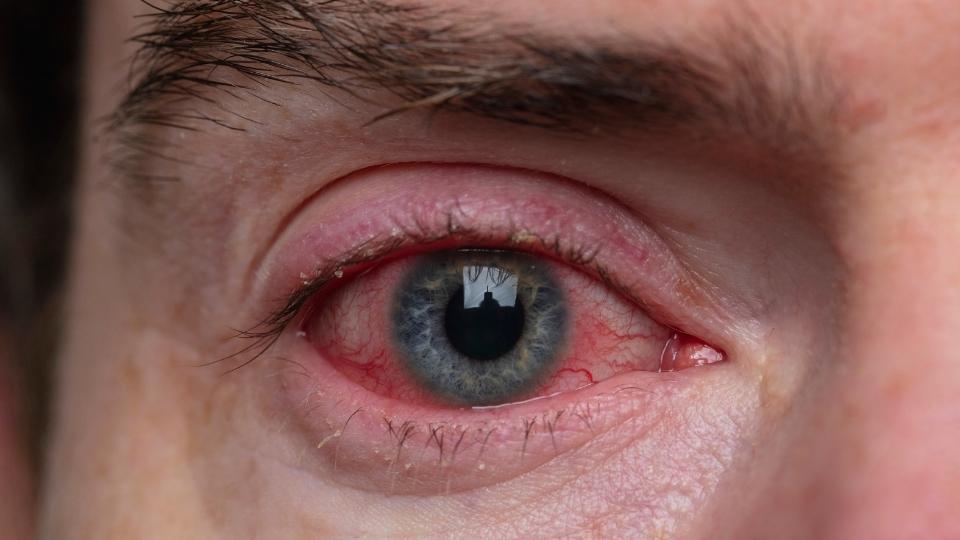
Red Flag 1: Dilated Pupils and Bloodshot Eyes
One of the most common physical symptoms is dilated pupils, even in well-lit rooms. Eyes may also appear bloodshot, particularly after extended use.
Red Flag 2: Runny Nose and Frequent Nosebleeds
Snorting this drug irritates the nasal cavity. Frequent sniffling, a chronically runny nose, or unexplained nosebleeds are common among people who use cocaine through the nose.
Red Flags 3 and 4: Weight Loss and Cardiovascular Changes
Cocaine suppresses appetite, leading to sudden, unexplained weight loss. Friends and family may notice missed meals and visible thinning. The drug also raises heart rate and blood pressure, straining the body. Cocaine use can contribute to a heart attack or stroke, even in younger adults.
Red Flag 5: Physical Evidence of Cocaine Use
Methods of cocaine use leave physical clues such as white powder residue around the nose, burn marks on the lips or fingers from smoking crack cocaine, or track marks from injection. These specific observations often indicate active drug use. For more on respiratory damage, see our article on crack lung.
Behavioral Symptoms Common When People Abuse Cocaine

Behavioural symptoms can be harder to spot because they often look like stress or a busy schedule. Patterns over time tell a clearer story.
Red Flag 6: Sudden Bursts of Energy and Restlessness
Behavioural symptoms of cocaine use can include increased energy, restlessness, and erratic behaviour, which may be mistaken for stress or a busy lifestyle. Look for unusual periods of activity followed by deep exhaustion.
Red Flag 7: Erratic and Impulsive Behaviour
People who abuse cocaine may make impulsive decisions, drive recklessly, or take financial risks. The effect on judgment can produce out-of-character choices.
Red Flag 8: Neglected Responsibilities
The drug can cause neglect of responsibilities, leading to sudden drops in performance at work or school. Missed deadlines, frequent absences, and declining grades are common signs and symptoms of a cocaine abuse problem.
Red Flag 9: Secrecy and Financial Strain
Frequent borrowing of money, missing valuables, and unusual secrecy about whereabouts can signal substance use issues. Many people hide their drug use from a spouse, parent, sibling, or close friend.
Emotional Red Flags of Cocaine Addiction
The emotional toll of cocaine use often alerts loved ones first. Mood and personality shifts are some of the clearest symptoms and signs of trouble.
Red Flag 10: Intense Mood Swings
The drug can lead to intense mood swings, moving from euphoria to extreme irritability or agitation within hours. These swings disrupt meaningful relationships and daily functioning.
Red Flags 11 and 12: Anxiety, Paranoia, and Depression
Cognitive symptoms of cocaine use can include heightened alertness and focus, but may also lead to anxiety, paranoia, and impaired judgment as drug use continues. Some people report feeling watched or threatened without cause, damaging one’s sense of safety. The crash after an intense high can produce deep depression. In some cases, suicidal thoughts or suicidal ideation may emerge during withdrawal. If this occurs, seek medical attention promptly. Learn more about the cocaine comedown in our article about what to expect.
Red Flags 13 and 14: Social Withdrawal and Intense Cravings
People with a developing cocaine use disorder often pull away from family and friends. Hobbies fade as more time and money go toward using cocaine. Intense cravings between uses are also a hallmark of cocaine addiction. The brain’s reward system adapts to repeated cocaine-driven dopamine signaling, which can make normal rewards feel less satisfying and cravings feel more powerful.
| Category | Common Signs and Symptoms |
|---|---|
| Physical | Dilated pupils, runny nose, weight loss, elevated heart rate, burn or track marks |
| Behavioural | Energy bursts, erratic conduct, neglected duties, secrecy, financial strain |
| Emotional | Mood swings, anxiety, paranoia, depression, social withdrawal |
| Cognitive | Heightened alertness, impaired judgment, racing thoughts |
Causes and Risk Factors for Cocaine Addiction
No single cause explains why some people develop cocaine addiction. Researchers point to a mix of genetic, environmental, and psychological factors when discussing causes and risk factors.
Genetic factors can play a significant role, and having a close family history of substance use disorders can increase risk. Family risk reflects both inherited traits and environmental influences. Having a first-degree relative with substance use disorders is a notable predictor of risk.
Environmental influences also raise risk. Exposure to drug use in one’s community, a tumultuous home life, or chronic stress can increase the likelihood that someone will abuse cocaine.
Common risk factors include:
- Family history of substance use disorders or mental illness
- Personal history of trauma, including posttraumatic stress disorder
- Early exposure to drug abuse or alcohol misuse
- Untreated mental health conditions, such as depression or anxiety
- Peer environments where illicit substance use is normalised
- Personal history of mental illness without adequate support or treatment
Understanding cocaine addiction, learn the signs early so families can act. For more on how addiction develops, see our blog on the stages of addiction.
Co-Occurring Disorders and Cocaine Use
Co-occurring disorders are common among people who use cocaine. Many struggle with depression, anxiety, bipolar disorder, or posttraumatic stress disorder alongside their substance abuse. This combination is sometimes called dual diagnosis.
Self-medicating mental illness with the drug often makes both conditions worse. Effective treatment addresses the addiction and any other mental health concerns at the same time.
Cocaine Withdrawal and Overdose Risks
Cocaine withdrawal typically begins within hours of the last dose. Withdrawal symptoms can include fatigue, increased appetite, vivid dreams, irritability, and powerful cravings. While withdrawal from cocaine is rarely physically dangerous on its own, the psychological intensity can be severe.
Cocaine overdose is a separate and urgent concern. Cocaine toxicity is a medical emergency, with life-threatening symptoms that may include chest pain, seizures, very high blood pressure, hyperthermia, or stroke. These overdose effects rise sharply when the drug is mixed with other substances. Overdose effects can be fatal, so call 911 immediately if you suspect an overdose.
For a related look at substance use patterns, our article on opiate withdrawal offers a useful comparison.
Effects of Cocaine Addiction on the Body and Mind
Long-term cocaine use can change the way the reward system in the brain functions, leading to addiction and dependence. The drug alters the brain’s reward system by increasing dopamine signaling, which can contribute to tolerance and make it harder for users to stop without help.
Effects of cocaine addiction extend beyond the brain. Cocaine abuse can lead to life-threatening effects on the heart and brain, as well as devastating consequences to emotional well-being and meaningful relationships.
Common effects of cocaine addiction include:
- Damage to the nasal cavity and respiratory system from repeated abuse
- Increased risk of heart attack, stroke, and seizures
- Sleep disruption and chronic fatigue
- Depression, anxiety, and other mental health conditions
- Strained meaningful relationships and isolation from family
- Financial and legal troubles from continued drug abuse
Treatment Options for Cocaine Abuse
Recovery is possible with the right support. Treatment options in Canada vary based on severity, co-occurring conditions, and personal circumstances. Understanding cocaine and learning how each treatment approach fits a specific situation can make the next step clearer.
Cocaine detox is a medically supervised process that helps individuals clear their system of the drug, allowing them to begin treatment without lingering effects. Inpatient programs provide a structured environment where individuals focus entirely on recovery and learn life skills for a drug-free life. Our residential addiction treatment centre offers this kind of structured care.
Outpatient treatment allows individuals to attend therapy sessions during the day while returning home in the evenings, suitable for those with less severe substance abuse or transitioning from inpatient care. Holistic approaches target the mind, body, and spirit through therapies such as yoga and outdoor activities. Aftercare services are essential for maintaining sobriety. Plan ahead with our guide to aftercare planning.
Evidence-based therapies like cognitive behavioural therapy and relapse prevention skills are core parts of most programs. Many also benefit from techniques in our post on dealing with cravings or triggers. For families wanting to help, the CRAFT method offers practical guidance.
Signs of Cocaine Use: Frequently Asked Questions
How quickly can someone become addicted to cocaine?
Cocaine produces an intense high that activates the brain’s reward system rapidly. Some people develop compulsive use patterns within weeks of regular use, though timelines vary based on biology, dose, frequency, and personal history. Genetic factors and trauma can increase vulnerability to abuse and dependence.
Can you spot cocaine use without obvious physical signs?
Yes. Behavioural and emotional changes, such as mood swings, secrecy, financial issues, and erratic conduct, often appear before clear physical symptoms. Watch for clusters of the following signs rather than a single one. Success in seeking help often depends on noticing early patterns of abuse.
When should I seek professional help for cocaine abuse?
If cocaine use is affecting health, work, finances, or relationships, it is time to reach out. Early support can make all the difference. Speak with a family doctor, a provincial or national mental health and substance use helpline, or a treatment centre to discuss next steps.
Moving Forward
Spotting the signs of cocaine use early gives you a chance to act before consequences deepen. If you recognise several red flags in a loved one, approach the conversation with care, not confrontation. Cocaine addiction is treatable, and many Canadians have found lasting recovery after reaching out. Our team is here when you are ready.