

Meth sores are one of the most visible and distressing possible physical signs of methamphetamine use. These open wounds, scabs, and lesions often appear on the face, arms, and chest, and they can be slow to heal, prone to infection, and emotionally devastating for the person living with them. Understanding why they form is an important step toward getting help. At Into Action Recovery, we support people in addressing both the physical and psychological harm caused by stimulants through inpatient treatment and ongoing care. This guide explains what meth sores are, what causes them, what they look like, and whether they can heal.
What Are Meth Sores?
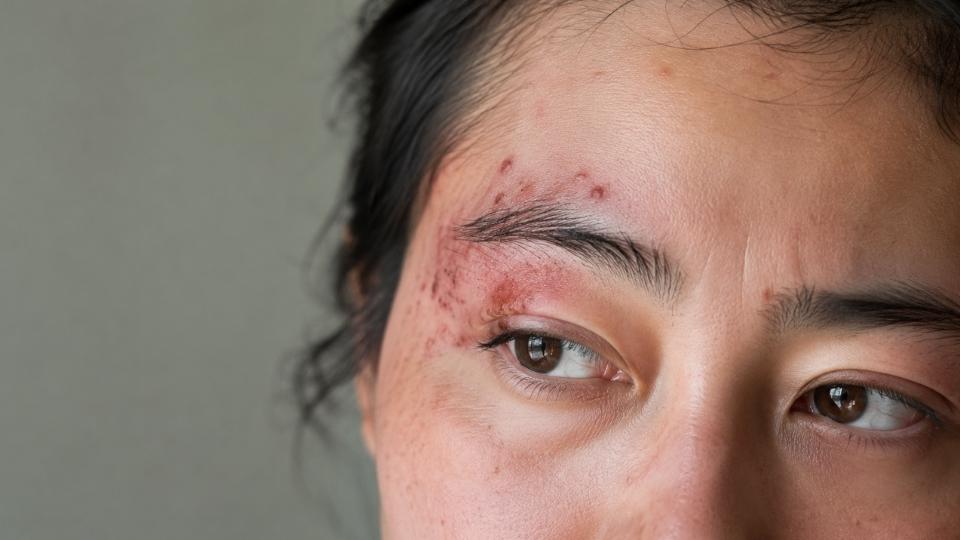
Meth sores are skin wounds that develop in connection with methamphetamine use. They range from small red bumps and acne-like breakouts to deep, open ulcers that may ooze and crust over, especially if they become infected. Many people associate them with the face, but they can appear anywhere a person can reach to scratch or pick.
These sores are not caused by a single mechanism. Instead, they result from a combination of the drug’s effects on the brain, the body’s circulation, and the behaviors that tend to accompany heavy stimulant use. Because meth is such a potent stimulant, the methamphetamine skin damage it causes is tied directly to how the drug changes both behavior and physiology.
What Causes Meth Sores?
There is rarely one simple answer to what causes meth sores. Several factors usually work together to create and worsen them.
Formication and Compulsive Skin Picking
One of the most common causes is a phenomenon called formication, the false sensation that insects are crawling on or under the skin. Users often call these imaginary bugs “meth mites” or “crank bugs.” To relieve the maddening itch, people scratch, dig, and pick at their skin for hours, creating open wounds that quickly turn into sores.
Poor Circulation and Slow Healing
Methamphetamine can constrict blood vessels. This may reduce blood flow to the skin and limit the oxygen and nutrients that wounds need to repair themselves. A small scratch that would normally close within days may linger for weeks, especially if it is repeatedly picked, and can become infected.
Dehydration, Poor Nutrition, and Hygiene
During a meth binge, a person may go days without sleeping, eating, drinking water, or washing. This combination leaves the skin dry and fragile while weakening the immune system, making infection far more likely.
Common contributors to meth sores include:
- Compulsive scratching and picking driven by formication
- Reduced blood flow from constricted blood vessels
- Suppressed appetite leading to malnutrition
- Dehydration and lack of sleep during binges
- Bacteria enter open wounds from dirty hands or surfaces
- Burns or irritation around the mouth from smoking the drug
Facial Damage and Meth Blisters
Many people search specifically for information about meth blister face changes or meth face sores. The face is especially vulnerable because it is easy to reach, and smoking meth can also irritate or burn the lips and mouth. Severe teeth grinding, dry mouth, and “meth mouth” can also contribute to irritation, cracked lips, and sores around the mouth or gums. The result is the cluster of meth sores on the face that is so often associated with long-term use.
What Do Meth Sores Look Like?
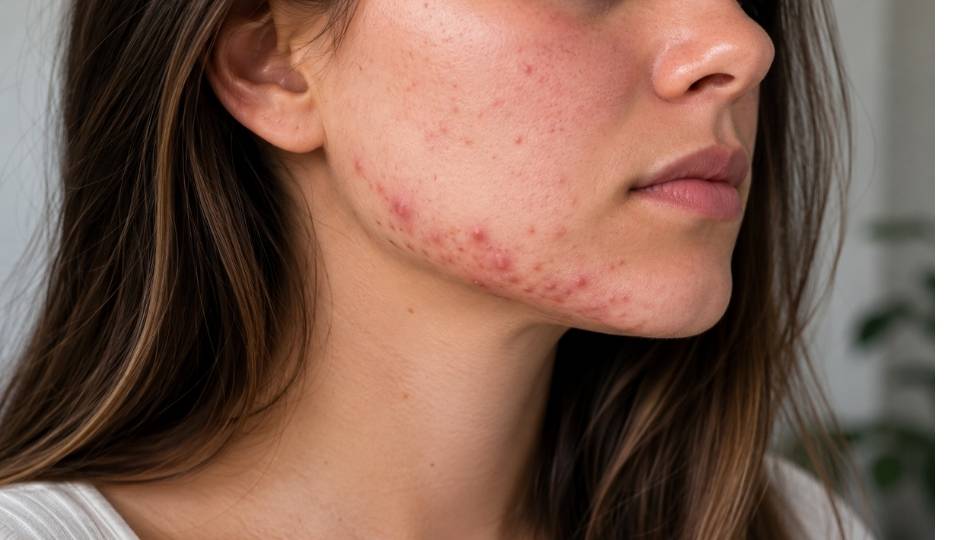
Meth sores change in appearance as they progress. They typically begin as small irritated areas, develop into open wounds from repeated picking, and then scab over. Without stopping the behaviors that reinjure the skin and getting proper wound care, they often reopen and may become infected.
| Stage | Appearance | Common Locations |
|---|---|---|
| Early | Small red bumps, irritation, acne-like spots | Face, arms |
| Active | Open wounds, raw and bleeding skin from picking | Face, forearms, chest |
| Infected | Pus, swelling, redness, crusting, and pain | Anywhere reopened |
| Healing | Scabs, dark marks, and pitted scars | Previously affected areas |
Spreading redness, warmth, worsening swelling, pus, fever, or increasing pain can signal infection and should be checked by a medical professional.
Because the skin keeps getting reinjured, many sores never fully close, leaving scars, discoloration, and uneven skin texture over time.
Where Do Meth Sores Appear?
Meth sores tend to cluster in areas a person can easily reach and around sites of drug use. Common locations include:
- The face, especially the cheeks, forehead, and around the mouth
- The arms and forearms
- The chest and shoulders
- The scalp and neck
- Injection sites, which can form abscesses
Recognizing where these sores appear can help loved ones spot a possible problem early, but skin changes alone cannot confirm meth use. If you are unsure what you are seeing, learning how to tell if someone is on meth can provide context that goes beyond skin changes alone.
How Meth Compares to Other Stimulants
Meth is not the only stimulant linked to physical harm, and people often confuse it with crack cocaine. While both drugs are powerful and damaging, they differ in how they are used and the specific harm they cause. Understanding the difference between crack vs meth can help families recognize what they are dealing with and seek the right kind of treatment.
Mixing Meth With Other Drugs
To manage the harsh comedown from meth, some people turn to sedatives or benzodiazepines such as Ativan, Xanax, or Valium. Mixing stimulants with depressants is dangerous and can increase the risk of dependence on more than one substance. If benzodiazepines are part of the picture, it helps to understand comparisons like Ativan vs Xanax and lorazepam vs Xanax. Combining drugs makes both addiction and physical recovery far more complicated.
Can Meth Sores Heal?
Yes. The single most important factor in preventing new meth sores and supporting healing is stopping meth use, along with proper wound care and medical treatment when infection is present. As meth use stops and health stabilizes, circulation, sleep, nutrition, and immune function can improve, and the compulsive picking that reopens wounds may decrease. With proper nutrition, hydration, wound care, and time, many sores heal, although deep wounds may leave permanent scars.
Lasting healing usually requires treating the underlying addiction, not just the skin. If a person has also become dependent on sedatives, that dependence needs attention too, which is why questions like whether Valium is addictive matter during assessment. Recovery is a process, and understanding the stages of addiction can make the road ahead feel less overwhelming.
Structured care gives people the best chance at full recovery. Inpatient treatment offers medical supervision, daily structure, and therapy that address both the body and the mind. If you are ready but unsure where to begin, learning what you can do to get help for addiction is a strong first step.
Meth Sores: Frequently Asked Questions
Are meth sores permanent?
Meth sores themselves can heal once a person stops using meth and receives proper care. However, deep or repeatedly reopened wounds may leave permanent scars or skin discoloration. Early treatment and consistent wound care greatly improve the chances of healing with minimal lasting damage to the skin.
How long do meth sores take to heal?
Healing time varies widely depending on severity, infection, and overall health. Minor sores may improve within a few weeks of stopping meth and receiving basic wound care, while deep or infected wounds can take several months and may require medical treatment. Good nutrition, hydration, and proper medical care speed recovery significantly for most people.
Do all meth users get sores?
Not everyone who uses meth develops sores, but the risk rises sharply with heavier and longer use. Factors like formication, poor hygiene during binges, and a weakened immune system all increase the likelihood. The longer the use continues, the more likely visible skin damage becomes over time.