Watching someone you care about change in ways you do not understand is frightening, and methamphetamine has a way of transforming a person quickly. If you have started to wonder how to tell if someone is on meth, you are likely already noticing things that worry you, such as a shift in their energy, their appearance, their sleep, or their honesty. Meth affects both the mind and the body, so the warning signs show up in behavior and in physical health at the same time.
Learning to recognize these patterns can help you act sooner and connect your loved one with care, such as inpatient treatment, before the addiction deepens. Below are twelve behavioral and physical signs of meth use, along with guidance on what to do next.
What Meth Does to the Brain and Body

Methamphetamine is a powerful synthetic stimulant that floods the brain with dopamine, the chemical tied to pleasure, reward, and motivation. This surge produces an intense high marked by energy, confidence, and euphoria. The problem is that meth disrupts the brain’s reward system over time, making it harder to feel pleasure normally and driving people to use again and again to chase the same feeling.
Because the effects can last many hours, meth use often follows a pattern of binges, where a person stays awake and active for long stretches, followed by a difficult crash. This cycle is responsible for many of the most recognizable meth user signs. Understanding the cycle makes the individual signs easier to interpret, because what you see depends on whether the person is currently high, crashing, or recovering between binges.
Why the Signs of Meth Use Are Easy to Miss
In the beginning, meth use can be surprisingly hard to detect. Early on, a person may seem more energetic, productive, and upbeat, which can read as a positive change rather than a warning sign. Someone might appear to be working harder, losing a little weight, or staying out later with friends, and it is easy to attribute these shifts to stress, a new job, a diet, or simply a phase.
Meth also tends to be used in private, and people who use it become skilled at hiding it. They may schedule their use around work or family obligations, retreat to a bedroom or bathroom, or explain away their sleeplessness and irritability. Denial plays a role, too. Both the person using and the people who love them often want to believe the changes are temporary or unrelated to drugs.
This is why it helps to look at the bigger picture rather than any single moment. One sleepless night or one bad mood means little on its own. A consistent pattern of the signs described below, building over weeks, tells a more reliable story and deserves a closer look.
Behavioral Signs Someone Is Using Meth

Behavioral changes are often the first clues families notice. They can be easy to dismiss at first, but they tend to grow more pronounced over time.
1. Unusual Bursts of Energy and Hyperactivity
One of the clearest signs of meth use is a sudden, unexplained surge of energy. A person may seem wired, restless, and unable to sit still. They might clean obsessively, talk nonstop, take on projects in the middle of the night, or move from task to task without finishing anything. This frantic activity is sometimes called “tweaking,” and it can go on for hours or even days. When the energy seems disconnected from any real reason and far beyond the person’s normal baseline, it is worth paying attention to.
2. Going Days Without Sleep
Meth suppresses the need for sleep, so someone using it may stay awake far longer than usual, sometimes for two, three, or more days during a binge. After this kind of binge, they often crash hard and sleep for an unusually long stretch, sometimes a full day or longer. This pattern of extreme wakefulness followed by deep, prolonged sleep is one of the most telling meth addiction signs, especially when it disrupts work, school, or family routines.
3. Rapid, Pressured Speech
People on meth often talk quickly and intensely. Their thoughts race, so their words tumble out fast, jumping from topic to topic in ways that can be hard to follow. They may repeat themselves, fixate on a single idea, or speak with an urgency that does not match the situation. If a normally calm person becomes a fast, scattered talker, it can be a signal that something has changed chemically.
4. Paranoia and Suspicion
Meth has a strong effect on the brain’s fear and threat systems. Heavy use can lead to intense paranoia, where a person becomes convinced that others are watching them, following them, or plotting against them. They may check windows, accuse loved ones of spying, or become secretive and defensive. In severe cases, this can tip into hallucinations or meth-induced psychosis, which requires medical attention.
5. Sudden Mood Swings and Aggression
The emotional ups and downs of the meth cycle can be dramatic. During a high, a person may feel euphoric and invincible, then become irritable, hostile, or, in some cases, aggressive as the drug wears off. These swings can happen quickly and without an obvious trigger. Loved ones often describe feeling like they are walking on eggshells, never sure which version of the person they will encounter.
6. Secrecy, Lying, and Pulling Away
As meth use takes hold, people tend to become secretive about where they go, who they see, and how they spend money. They may lie about their whereabouts, disappear for long stretches, or withdraw from family and old friends in favor of new, unfamiliar company. Money may go missing, valuables may be sold, and unpaid bills may pile up. This growing distance and dishonesty can happen with many substance use problems and is a common reason people first ask, “Is my loved one on meth?”
Physical Signs Someone Is Using Meth
Physical changes can be harder to hide than behavior, and they often become more obvious as use continues. Knowing how to know if someone uses meth means paying attention to the body as well as the mind.
7. Rapid, Dramatic Weight Loss
Meth strongly suppresses appetite and speeds up metabolism, so people who use it often lose weight quickly. Someone may go from a healthy weight to looking gaunt and frail over a matter of weeks or months. This rapid change, especially when paired with other signs, is a strong physical indicator of stimulant use.
8. Skin Sores and Constant Picking
Meth can cause a sensation that bugs are crawling on or under the skin, leading people to scratch and pick obsessively. The result is open wounds and scabs known as meth sores, which often appear on the face, arms, and chest. These sores can heal slowly because repeated picking, infection, poor hygiene, poor nutrition, and meth-related blood vessel constriction can all interfere with wound repair. Visible, unexplained sores combined with frequent scratching are a serious red flag.
9. Tooth Decay and “Meth Mouth”
Long-term meth use is closely linked to severe dental damage, often called “meth mouth.” Dry mouth, teeth grinding, poor nutrition, and neglected hygiene combine to cause rapid tooth decay, gum disease, and broken or missing teeth. A sudden and dramatic decline in someone’s dental health can be one of the more lasting and visible signs of meth use.
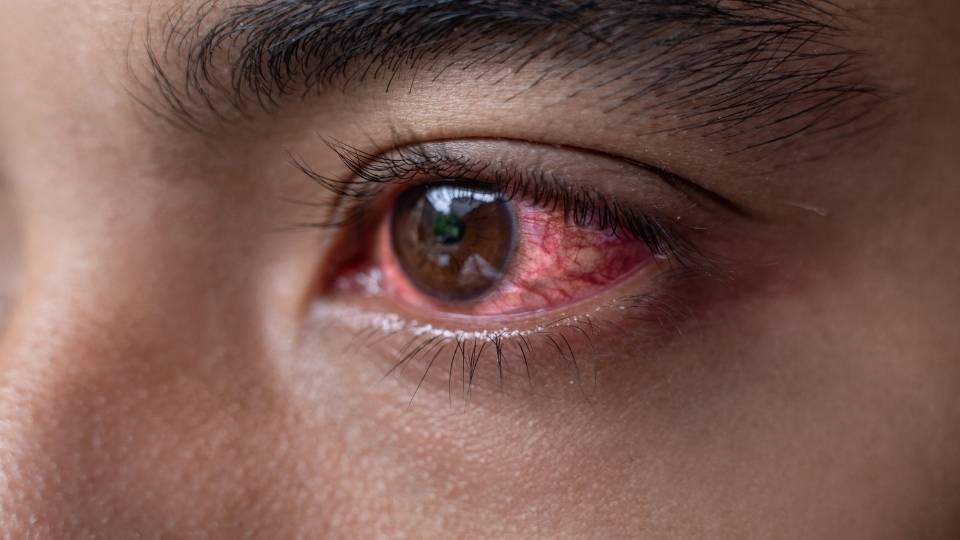
10. Dilated Pupils and Eye Changes
As a stimulant, meth causes the pupils to dilate, sometimes noticeably. A person may also have rapid eye movements, a fixed or intense stare, or difficulty making normal eye contact. While dilated pupils alone do not confirm drug use, when they appear alongside other behavioral and physical changes they add to the overall picture.
11. Twitching, Tics, and Repetitive Movements
The overstimulation of the nervous system can produce twitches, facial tics, jaw clenching, and repetitive movements. Some people perform the same small action over and over, such as picking at objects, taking things apart and reassembling them, or grinding their teeth. These compulsive, repetitive behaviors are a hallmark of the “tweaking” phase.
12. Poor Hygiene and a Rapidly Aging Appearance
During binges, basic self-care often falls away. A person may stop bathing, wear the same clothes for days, and neglect their grooming. Over time, the combination of malnutrition, dehydration, skin damage, and lack of sleep can make someone look far older than their age. Friends and family are often shocked by how quickly meth use can change a person’s appearance.
The Meth Binge and Crash Cycle
The signs you notice will vary depending on where a person is in the meth cycle. This table summarizes what each phase tends to look like.
| Phase | What You Might Notice |
|---|---|
| During the high (binge) | Hyperactivity, rapid speech, little or no sleep, dilated pupils, intense focus, euphoria |
| During the crash | Extreme fatigue, very long sleep, depression, irritability, strong hunger |
| Long-term use | Weight loss, skin sores, meth mouth, paranoia, twitching, aged appearance |
Recognizing the phase a loved one is in can help you understand what you are seeing and choose a better moment to talk. Trying to reach someone in the middle of a paranoid binge is far harder than connecting during a calmer recovery window.
Signs of Long-Term Meth Use
When meth use continues over months or years, the damage accumulates and becomes harder to reverse. Long-term meth user signs often include:
- Lasting weight loss and a frail, undernourished appearance
- Severe dental decay and visible tooth loss
- Chronic skin sores, scarring, and discoloration
- Persistent paranoia, anxiety, or psychosis
- Memory problems and difficulty concentrating
- Loss of jobs, relationships, and housing stability
These deeper changes underscore why early recognition matters. The sooner someone gets help, the more of their health and life can be protected.
How Meth Use Affects the Whole Family
Meth addiction is rarely contained to the person using it. Families often describe a slow erosion of trust as money goes missing, promises are broken, and the person they knew seems to disappear. Partners may take on extra financial and household burdens, children may witness frightening behavior or neglect, and parents may lie awake worrying through every unexplained absence.
The emotional weight is heavy. Loved ones frequently cycle through fear, anger, guilt, and exhaustion, sometimes blaming themselves for not noticing sooner or for not being able to fix the problem. It is common to feel isolated, as if no one else could understand what is happening inside the home.
Recognizing this toll is important for two reasons. First, your own well-being matters, and supporting someone through addiction is far more sustainable when you are also caring for yourself. Second, the way a family responds can genuinely influence whether a person seeks help. Calm, informed, and consistent support tends to open doors, while constant conflict often pushes a person further into use. You do not have to navigate this alone, and reaching out for professional guidance early can steady the entire household.
Paraphernalia and Environmental Clues
Beyond changes in the person, you may notice physical items associated with meth use. Common environmental clues include:
- Glass pipes, often with a bulb at one end
- Small plastic bags, sometimes with crystal or powder residue
- Burnt foil, hollowed pens, or makeshift smoking devices
- Needles or syringes if the drug is being injected
- Unexplained chemical smells in a room or vehicle
Finding these items does not always confirm meth specifically, but combined with the behavioral and physical signs above, they strengthen the overall picture and may help you talk with a professional about next steps.
How Meth Differs From Other Stimulants
People sometimes confuse meth with other stimulants, especially crack cocaine, because the behavioral signs can overlap. Both drugs cause energy spikes, paranoia, and weight loss, but they differ in important ways, from how long the high lasts to the specific damage they cause. If you are unsure which substance is involved, comparing crack vs meth can help you understand the differences and recognize what you are actually dealing with.
When Meth Is Mixed With Other Drugs
Meth is often used alongside other substances, which can complicate both the signs and the recovery. To take the edge off the crash and quiet a racing mind, some people turn to sedatives such as benzodiazepines. This pattern of pairing a stimulant with a depressant is dangerous and can lead to dependence on more than one drug at once. If you suspect sedatives are part of the picture, understanding comparisons like Ativan vs Xanax and lorazepam vs Xanax can help you grasp the full scope of what your loved one may be facing.
Is My Loved One on Meth? What to Do Next
If the signs are adding up, it is natural to feel overwhelmed, scared, or angry. The most important thing to remember is that meth addiction is a treatable condition, not a moral failing, and your response can make a real difference. A calm, supportive approach is far more effective than confrontation or shame. Learning how to support a partner or loved one through addiction is a strong starting point.
If there is immediate danger, severe paranoia or psychosis, threats of violence, suicidal thoughts, chest pain, overheating, confusion, or loss of consciousness, call emergency services right away.
Here are some steps that can help:
- Educate yourself about meth and addiction so you understand what your loved one is going through
- Choose a calm, sober moment to express your concern without judgment
- Use specific observations rather than accusations, focusing on what you have noticed
- Set clear, healthy boundaries while keeping the door open to support
- Reach out to addiction professionals for guidance tailored to your situation
For many families, a structured approach works best. Methods like the CRAFT approach teach loved ones how to encourage change without pushing the person away, and you can read more about how the CRAFT method can help families. When a more direct conversation is needed, a professionally guided intervention can help, and understanding how interventions help a loved one get treatment can prepare you for that step.
Getting Help for Meth Addiction
Recovery from meth is challenging, but it happens every day with the right support. Effective treatment addresses the physical toll of the drug, the powerful cravings, and the underlying issues that fuel use. For stimulant use disorders, evidence-based behavioral approaches such as contingency management, cognitive behavioral therapy, relapse prevention, and continuing support are especially important. Because dependence often involves more than one substance, an honest assessment matters, including questions such as whether Valium is addictive when sedatives are also in the picture.
A comprehensive program that combines medical care, individual and group therapy, evidence-based behavioral treatment, and a strong aftercare plan gives people a strong foundation for lasting recovery. For people who need that level of support, inpatient treatment provides a safe, structured environment where your loved one can step away from triggers and focus fully on healing. If the signs in this article feel familiar, reaching out for professional guidance is a powerful first step.
How to Tell If Someone Is on Meth: Frequently Asked Questions
How can you tell if someone is high on meth right now?
Someone high on meth often shows intense energy, rapid speech, dilated pupils, and an inability to sit still or sleep. They may seem euphoric, hyper-focused, or unusually talkative. As the high fades, irritability and paranoia can appear. These signs together, rather than any single one, suggest current use.
Can you be addicted to meth without obvious physical signs?
Yes. In the early stages, a person may hide their use well and show mainly behavioral changes like secrecy, mood swings, and sleeplessness before physical signs appear. Weight loss, skin sores, and dental damage usually develop with heavier or longer use, so the absence of those signs does not rule out addiction.
What should I do first if I think my loved one is on meth?
Start by staying calm and learning about meth addiction so you can respond with understanding rather than fear. Avoid confrontation, share your concerns gently using specific observations, and contact an addiction treatment professional. If they appear severely paranoid, violent, suicidal, confused, overheated, unconscious, or in medical distress, seek emergency help immediately. Getting expert guidance early helps you plan a supportive, effective path toward treatment for your loved one.