Crack cocaine is a highly addictive stimulant found in Canada’s unregulated drug supply, and smoking it carries a quiet, dangerous price that many people do not see coming. One of the most serious chest health risks is a condition called crack lung, a form of acute pulmonary injury that can land a person in the emergency department within hours of use. This article will explain what crack lung is, the signs to watch for, and why early help matters.If you or someone you love is suffering from a crack addiction, getting professional inpatient addiction treatment is crucial to protect your body, your lungs, and your future. For some people, inpatient addiction treatment provides the structure and support needed to recover.
This article is designed to describe crack lung in plain language for people who want to learn how the disease occurs, how doctors approach the diagnosis, and what recovery looks like. The article is not a substitute for medical care, and the advice of a qualified professional should always guide treatment decisions. Read on for the symptoms, the imaging manifestations, and the path back to health.
What Is Crack Lung?
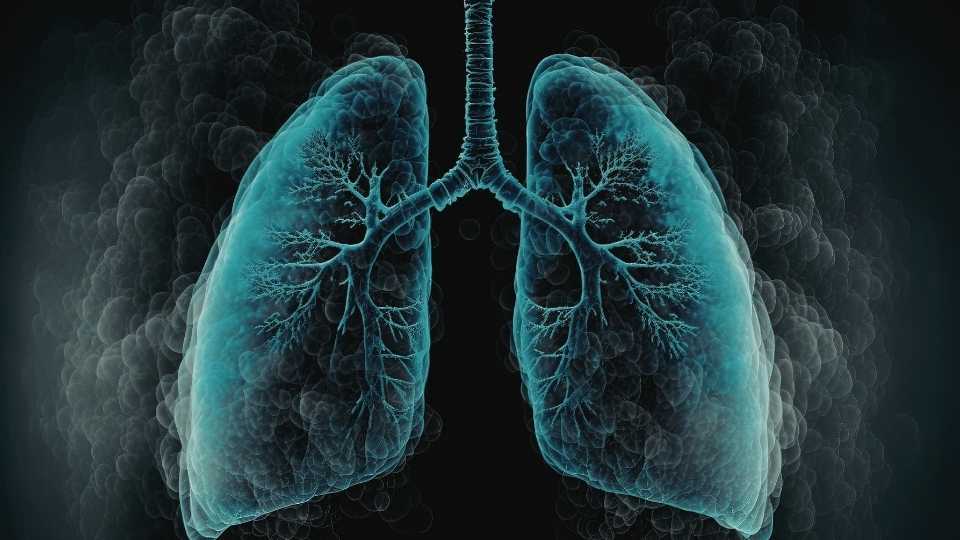
Crack lung is a term used to describe acute pulmonary cocaine toxicity, a form of lung injury that occurs after smoking crack cocaine. The condition was first described in medical literature around 1990, and chest researchers and radiologists have published widely on its clinical features and imaging manifestations. Patients with crack lung may present within 48 hours of crack use with shortness of breath, fever, chest pain, tachycardia, hypoxemia, cough, and, in severe cases, respiratory failure.
The injury process is complex. Heated cocaine vapour irritates the airways, damages the alveolar walls, and triggers a flood of inflammatory cells into the chest. The result is a process of diffuse alveolar damage, fluid leakage, and, in some cases, alveolar hemorrhage. With continued use or severe injury, some people may develop lasting lung damage or chronic chest problems.
How Smoking Crack Cocaine Damages the Lungs
Smoking crack cocaine delivers the drug directly into the bloodstream through the lungs and chest, which is why the lung tissue itself takes such a heavy hit. The smoking process can expose the airways to intense heat, irritating and injuring the respiratory tract.
Repeated exposure leads to prolonged inflammatory pulmonary injury, and even a single binge can cause acute pulmonary syndrome. Health Canada describes cocaine and crack as highly addictive stimulants and notes that smoking crack is hard on the lungs, with possible effects including severe chest pain, low blood oxygen, breathing difficulty, inflamed or fluid-filled lungs, and coughing up blood.
Crack Lung Syndrome and Acute Pulmonary Cocaine Toxicity
Crack lung syndrome is characterized by a sudden onset of pulmonary edema, hypoxia, and sometimes alveolar hemorrhage. In some cases, crack lung overlaps with acute eosinophilic pneumonia, especially when peripheral or pulmonary eosinophilia is present. In eosinophilic cases, bronchoalveolar lavage may show elevated eosinophils.
The clinical features of crack lung syndrome can mimic other diseases, which is why establishing the correct diagnosis is so important. Chest doctors must rule out infection, heart failure, and other causes before they finalize the diagnosis and start treatment.
Symptoms of Crack Lung

Symptoms typically appear within 48 hours of smoking crack cocaine. The signs are sometimes mild, sometimes life-threatening, and sometimes mistaken for other lung diseases. Commonly reported symptoms include:
- Shortness of breath and difficulty breathing
- Severe chest pain or chest tightness
- Coughing up blood or producing abnormal sputum
- Fever and hypoxia
- A persistent dry cough
- Wheezing similar to asthma or other airway problems
Common Respiratory Complications
Beyond crack lung itself, smoking crack cocaine is linked to several respiratory complications, including chronic cough or bronchitis-like symptoms, asthma flares, airway injury, and chronic obstructive pulmonary disease-like symptoms. Pneumothorax has been reported in heavy users, leading to sudden chest collapse and severe pain. Some patients admitted to the hospital after a binge show features that overlap with pneumonia caused by infection, which complicates the diagnostic picture and can delay treatment.
Pulmonary Complications from Crack Cocaine Use
Pulmonary complications from cocaine abuse range from mild chest irritation to life-threatening events. Repeated cocaine use can damage and inflame lung tissue, worsen airway disease, and increase vulnerability to respiratory complications, including pneumonia-like illness. Peer-reviewed reports describe respiratory failure as a serious complication in some people with heavy crack cocaine use or acute crack lung, with cocaine being one of the most common causes of drug-related emergency department visits. These complications add up over time, and they highlight why early treatment is so important.
Pulmonary Edema and Alveolar Hemorrhage
Pulmonary edema, the build-up of fluid in the chest, is one of the recognized findings in crack lung. It can produce low oxygen levels and severe difficulty breathing, and often requires supplemental oxygen and emergency department care. Alveolar hemorrhage, where blood leaks into the air sacs, can be life-threatening and is one of the reasons some patients are admitted directly to the intensive care unit, where mechanical ventilation may be needed.
How Chest Physicians Diagnose Crack Lung
Diagnosing crack lung starts with a careful history and physical examination. Chest physicians look at the patient’s recent drug use, the symptoms they describe, and exposure to other substances such as marijuana. Diagnostic testing often uses chest X-rays or high-resolution computed tomography to identify nonspecific findings such as diffuse alveolar infiltrates, ground-glass opacities, or alveolar/interstitial edema.
Imaging findings in the chest often include:
- Diffuse alveolar infiltrates with a perihilar distribution
- Ground-glass opacities on high-resolution computed tomography
- Crazy paving patterns
- Interstitial and alveolar opacities
Histological examination of lung tissue, when performed, may show diffuse alveolar damage, hemorrhagic alveolitis, or eosinophilic infiltration. These imaging manifestations and tissue findings help doctors choose the correct treatment path quickly.
Differential Diagnosis and Imaging Manifestations
The differential diagnosis includes bacterial pneumonia, viral pneumonia, eosinophilic pneumonia from other causes, pulmonary edema from heart failure, pulmonary embolism, acute respiratory distress syndrome, diffuse alveolar hemorrhage, EVALI, and acute coronary syndrome. Establishing the difference matters because the treatment paths diverge. Imaging manifestations can look similar across these conditions, so doctors often rely on blood work, sputum cultures, and patient history to differentiate them.
| Clinical Feature | Crack Lung | Bacterial Pneumonia |
|---|---|---|
| Onset | Within 48 hours of smoking crack | Days of worsening illness |
| Fever | Can occur and may be mild | Can be high |
| Chest imaging | Diffuse ground-glass opacities | Often lobar consolidation |
| Eosinophils | May be elevated | Usually negative |
| Trigger | Cocaine based substances | Bacterial infection |
Long-Term Effects of Cocaine Abuse on the Lungs
Chronic crack use damages the lungs and the broader chest in ways that may not fully reverse. People who have used crack cocaine for years may report a chronic dry cough, reduced exercise tolerance, and recurring chest infections. Drug abuse of this kind also raises the risk of asthma flares, bronchitis-like symptoms, and prolonged inflammatory pulmonary injury. Some damage may improve after stopping, but severe or repeated injury may leave lasting chest issues for some people.
Drug abuse involving cocaine is also linked to heart attacks, strokes, and seizures, all of which can occur alongside lung damage. The prognosis varies widely. Some people see major improvement after they stop, while others suffer lasting damage. Continued drug abuse only deepens the harm. If you want a clearer picture of how stimulants affect the body, our overview of common drugs of abuse and our page on addictive substance descriptions cover each substance in plain language.
Crack Addiction Treatment Options
Recovery from crack lung depends on stopping the drug. Immediate cessation of crack cocaine use is crucial because symptoms may begin to improve after crack use stops, although severe cases can require hospital care. Mild cases may resolve with supportive care, while severe cases require close monitoring for acute respiratory distress syndrome, oxygen support, and sometimes mechanical ventilation. Corticosteroids may be considered in eosinophilic cases, but they are not required for every case.
Effective crack addiction treatment usually combines medical stabilization with structured therapy. A supervised inpatient program for stimulant dependency offers around-the-clock care, medical monitoring, and counselling that addresses both the chemical dependency and any underlying mental health concerns. Many people in recovery also benefit from peer support, family involvement, and a long-term recovery plan.
Why Immediate Cessation Matters
Continuing to smoke crack while suffering from lung damage can be fatal. Stopping smoking allows the inflammation to settle and the chest to begin healing. Programs that focus on relapse prevention and cognitive behavioural therapy give people the tools to stay free from crack long-term and protect their personal recovery.
If you are not sure where to start, our guides on what happens when you check into a rehab centre, how long drug rehabilitation takes, and how much rehab costs can answer the most common questions before you make a call.
You may also want to read our article on whether you should detox before attending a treatment program and our article on what to look for in a rehab facility. For families, our article on helping a loved one through intervention and our article on the stages of addiction provide a starting point for the recovery journey. Aftercare is part of the process too, so aftercare planning should be built into every recovery plan.
Crack Lung: Frequently Asked Questions
How quickly does crack lung appear after smoking crack cocaine?
Crack lung typically appears within 48 hours of smoking crack cocaine. Some patients report symptoms within a few hours, with shortness of breath, chest pain, cough, fever, low oxygen, coughing blood, and tachycardia being commonly reported early signs. Respiratory failure can occur in severe cases. If these symptoms appear, head to the emergency department right away.
Can crack lung be cured?
Mild cases of crack lung often resolve with supportive care and full cessation of crack use. Severe cases involving alveolar hemorrhage, acute eosinophilic pneumonia, or acute respiratory distress syndrome may require oxygen, ventilatory support, longer hospital stays, and sometimes corticosteroids when clinically appropriate. Long-term recovery depends on stopping crack use for good, which is where structured treatment plays a central role.
Is crack lung the same as eosinophilic pneumonia?
The two conditions can overlap. Acute eosinophilic pneumonia describes a pattern of lung injury with high eosinophil counts, and some cases of crack lung present this way. The diagnosis depends on lab work, chest imaging, and a clear history of cocaine use. A chest specialist will weigh all the evidence to establish the correct diagnosis.