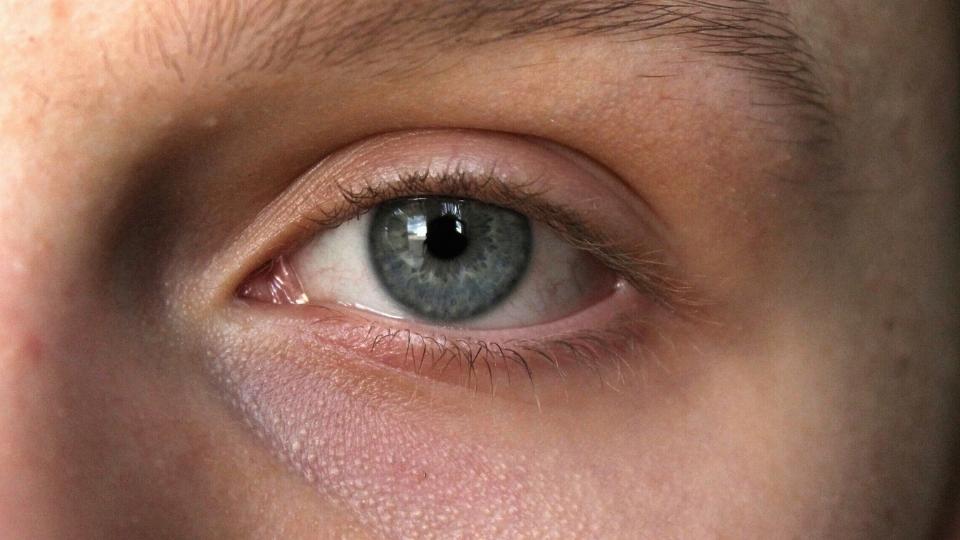

That puffy face in the bathroom mirror. The tight waistband. The middle that stays swollen for days after a night out. Alcohol bloating is a common signal that drinking may be irritating your digestive system, shifting fluid balance, or adding stress to your body, and it tends to show up faster and stay longer the more often it happens.
For some people, alcohol bloating is a minor annoyance that fades within hours. For others, it points to deeper issues with the digestive system, gut health, or a pattern of drinking that has become hard to control. If you regularly experience alcohol bloating, it may be worth exploring whether your relationship with alcohol could benefit from professional alcohol addiction treatment at a structured recovery centre.
This guide breaks down what alcohol bloating really is, why it happens, how long alcohol bloating lasts, and what can help you get rid of alcohol bloating or prevent alcohol bloating altogether.
What Is Alcohol Bloating?

Alcohol bloating is a swollen, gassy, or distended feeling in the stomach area that develops during or after drinking alcohol. It can show up as a bloated stomach, a puffy face, or general water retention across the body, though persistent swelling can also have causes unrelated to alcohol.
Alcohol bloating is a common side effect of prolonged or excessive alcohol consumption, leading to discomfort and a distended appearance of the stomach area. Some people only notice it after heavy nights. Others experience alcohol bloating after just a couple of drinks, especially if they have a sensitive gut or conditions like irritable bowel syndrome.
The puffiness comes from a mix of inflammation, water retention, excess gas, and irritation along the digestive tract. The body is reacting to a substance it views as a toxin, and it shows on the outside.
How Drinking Alcohol Affects Your Digestive System
Your digestive system processes everything you eat and drink, and alcohol throws several wrenches into it at once. Even one evening of drinking alcohol can irritate digestion, worsen reflux or stomach discomfort, and contribute to inflammation. With repeated or heavy use, alcohol can also disrupt the gut microbiome.
Inflammation of the Stomach Lining
Alcohol consumption can lead to inflammation of the stomach lining, known as gastritis, which can cause discomfort and bloating. This may occur as acute irritation after a heavy session, or it can develop into chronic gastritis when alcohol consumption is frequent.
Alcohol can irritate the gastrointestinal tract, leading to inflammation known as gastritis, which can exacerbate bloating and digestive discomfort. Alcohol can also worsen acid reflux and stomach irritation, which may contribute to a constant bloated feeling.
Chronic alcohol use can worsen ongoing digestive issues and may aggravate stomach lining damage or ulcer symptoms, especially when other risk factors are present. Repeated bouts of acute gastritis can return with every heavy session, while chronic gastritis builds quietly over months and years. Ongoing irritation can leave the stomach lining vulnerable to further damage, and stomach ulcers can become more painful or serious when that damage goes unaddressed.
Disruption to the Gut Microbiome
Alcohol, especially with chronic or heavy use, can alter the gut microbiome and contribute to dysbiosis, which may worsen gas, bloating, and digestive discomfort. The result can be excess gas, slow digestion, and that uncomfortable feeling that lingers long after the last drink.
Excessive alcohol intake can also impair the gut’s ability to absorb nutrients, leading to nutritional deficiencies that affect both physical health and mental health. Poor absorption can show up as fatigue, low mood, and ongoing digestive discomfort.
The Link Between Alcohol Consumption and Weight Gain
Alcohol is not just about bloating. It can also contribute to real, lasting weight gain over time, especially when it adds frequent extra calories or leads to overeating.
Alcohol contains about 7 calories per gram, which is nearly as many as a gram of pure fat, contributing to weight gain when consumed in excess. The calorie count of alcoholic beverages is often invisible because most bottles do not carry nutrition labels.
Many alcoholic drinks are high in calories, and one serving can range from roughly 50 calories for some light drinks to several hundred calories for large cocktails, sugary drinks, or creamy liqueurs. Sweet cocktails, sugary drinks, and creamy liqueurs sit at the top of that range.
Excessive alcohol consumption can contribute to weight gain by adding calories, temporarily shifting metabolism toward processing alcohol, and promoting poor lifestyle choices, such as unhealthy eating and reduced physical activity. Combined with stress and poor sleep, this slow weight gain is hard to reverse without changing the underlying drinking habits.
The Beer Belly Explained
The classic beer belly usually reflects an overall calorie surplus, regular drinking, diet, age, hormones, and reduced activity, all of which can contribute to fat gain around the midsection.
A beer belly is not only caused by beer. Wine, spirits, and malt liquor can all contribute to a beer belly when consumed frequently. Mixers add even more calories, and the result is steady weight gain that pads the midsection.
Why Carbonated Drinks Make Bloating Worse
Carbonated drinks make alcohol bloating noticeably worse. Beer, sparkling wine, hard seltzers, and cocktails mixed with soda all push extra air into the stomach.
The consumption of carbonated alcoholic beverages can increase gas in the stomach, contributing to bloating. When you swallow excess air with carbonated drinks, gas builds in the digestive tract and pushes outward, causing abdominal bloating that can last for hours.
Some of the worst offenders for alcohol related bloating include:
- Beer and other carbonated alcoholic drinks
- Champagne, prosecco, and sparkling wines
- Cocktails mixed with tonic, soda, or cola
- Hard seltzers and pre-mixed canned drinks
- Drinks paired with salty foods that encourage water retention
How Much Alcohol Triggers Bloating?

There is no universal threshold. Some people experience alcohol bloating after a single drink, while others can drink more before symptoms appear. How much alcohol it takes depends on body size, gut health, hydration, the type of drink, and whether food is in the stomach.
Canada’s Guidance on Alcohol and Health explains that alcohol-related harm rises along a continuum as drinking increases. While bloating is not the main focus of those guidelines, digestive irritation can become more likely with heavier or more frequent drinking. Binge drinking, defined as several drinks in a short period, commonly triggers stomach bloating or irritation. Our piece on how much drinking is too much covers the Canadian guidelines in more detail.
How much alcohol is consumed in one sitting also matters because the body can only metabolize alcohol at a limited rate. Higher amounts can prolong irritation of the stomach lining and worsen reflux, nausea, and bloating. The more alcoholic drinks you have in one session, the harder this gets.
Signs of Alcohol Abuse Linked to Stomach Bloating
When stomach bloating is no longer occasional but persistent, especially alongside other warning signs, it can be a sign of something deeper. Alcohol misuse and alcohol abuse often show up first in the body before they become obvious in daily behaviour. Ongoing stomach bloating between sessions can be one of those early signals.
Watch for these warning signs that drinking habits may have crossed a line:
- Persistent bloating that does not resolve between drinking sessions
- Frequent acid reflux, abdominal pain, or suspected stomach ulcers, especially if they repeatedly follow drinking
- Needing more alcohol to feel the same effects
- Drinking to avoid withdrawal symptoms like shakiness or anxiety
- Difficulty cutting back on alcohol use, even when you want to
If these patterns sound familiar, our guides on the 7 signs of alcoholism and whether it is alcoholism or just heavy drinking may help clarify where you stand. The alcoholism symptoms in men vs women guide adds another angle.
How Long Does Alcohol Bloating Last?
Alcohol bloating can last anywhere from a few hours to several days, depending on various factors such as the amount of alcohol consumed and the individual’s gut health. For most people, mild bloating fades within 24 to 48 hours after they stop drinking alcohol.
For chronic drinkers, bloating may become frequent or near-constant. Persistent abdominal swelling can also signal liver disease or other medical problems and should be evaluated by a healthcare provider. How long alcohol bloating lasts is also influenced by hydration and whether alcohol is a regular part of a person’s lifestyle, with those who overindulge taking longer to recover. The table shows approximate patterns for how long alcohol bloating may last.
| Drinking Pattern | How Long Alcohol Bloating Lasts | Common Symptoms |
|---|---|---|
| One night of moderate drinking | A few hours to 24 hours | Mild stomach bloating, gas |
| Heavy single occasion or binge drinking | 24 to 72 hours | Abdominal bloating, nausea, fatigue |
| Frequent weekly drinking | Several days at a time | Repeated bloating, acid reflux |
| Chronic alcohol use | Weeks or near-constant | Ongoing bloating, gastritis, water retention |
If bloating persists beyond a few days even after you stop drinking alcohol, it may signal more serious irritation. In those cases, speaking with a doctor about a treatment plan is the right next step, especially if you also notice rising stomach acid, reflux, or recurring stomach ulcers.
How to Get Rid of Alcohol Bloating
Most uncomfortable symptoms from alcohol bloating respond well to a few simple changes. Whether you want to reduce bloating after one rough night or get rid of alcohol bloating that keeps coming back, the steps below can help. People who want to get rid of alcohol bloating long-term often need to look at how often they drink and why.
Hydration and Drinking Water
Alcohol acts as a diuretic, which can contribute to dehydration. In combination with salty foods, inflammation, and poor sleep, this can worsen puffiness and fluid retention. Drinking water before, during, and after consuming alcohol may reduce dehydration-related symptoms and support digestion.
Aim for a glass of water between each alcoholic drink. After drinking, continue with water. Some people find ginger or peppermint tea helpful for digestive discomfort, though peppermint may worsen reflux for certain people. Good hydration also supports steady blood flow and helps your digestive enzymes work properly.
Diet, Movement, and Over-the-Counter Help
Eating a balanced diet with fewer processed and salty foods can support digestion and help prevent bloating caused by alcohol. Adding probiotic foods or supplements may support healthy gut bacteria for some people, though results vary and they are not a quick fix for alcohol-related irritation.
Light exercise after drinking can help stimulate digestion and alleviate bloating more quickly. Over-the-counter medications like simethicone can help alleviate gas-related bloating after drinking alcohol, but they will not treat gastritis, liver disease, or alcohol dependence.
A balanced meal rich in protein and healthy fats before drinking can slow down alcohol absorption and reduce stomach irritation. Avoiding carbonated alcoholic drinks and mixers also helps prevent bloating, since these beverages push extra air into the gut. Cutting back on fatty foods alongside drinking gives your body less to handle at once.
What Else Can Cause Bloating Beyond the Drink Itself?
Several factors beyond the alcohol itself cause bloating during and after drinking. Salty bar snacks cause bloating through fluid retention. Late-night fatty foods slow digestion. Poor sleep after drinking interferes with blood flow and digestive repair, which can cause bloating to drag on for an extra day.
For some people, alcohol related bloating overlaps with conditions like irritable bowel syndrome, lactose intolerance, or food sensitivities. Chronic alcohol consumption can also contribute to fatty liver disease and other forms of liver disease, which create their own fluid buildup and abdominal symptoms.
These factors also cause bloating to look different from person to person. If you have ongoing stomach bloating that does not match your drinking patterns, talk to a healthcare provider to rule out other digestive health concerns. Combined with mental health stressors, ongoing digestive issues can also cause bloating to feel worse than the physical symptoms alone would suggest. Other substances damage the body in their own quiet ways, such as the chest injury described in our article on crack lung.
When Alcohol Addiction Is the Underlying Cause
Sometimes bloating is the smallest part of a much bigger picture. When drinking has become compulsive, the body sends many signals, and bloating is just one.
Reducing alcohol consumption or reducing alcohol intake is sometimes enough to resolve bloating. But for people dealing with a drinking problem, trying to drink less without support may not work long-term. The cycle of drinking, recovery, and drinking again can keep the gut irritated and worsen reflux, gastritis symptoms, and bloating. Repeated chronic drinking patterns also make it harder for the body to bounce back, and the mental health toll often grows alongside the physical health toll.
Professional treatment can break that cycle. Into Action Recovery offers structured support through inpatient rehab, counselling, and aftercare planning. Learning more about alcohol addiction treatment options and what happens when you check into a rehab centre can help you decide what the next step might suit your situation.
If you are unsure whether your drinking has reached a point where professional support is needed, the alcohol withdrawal symptoms timeline and our guide to alcohol poisoning can offer perspective. For those ready to act, how to quit drinking alcohol walks through early steps, and inpatient vs outpatient alcohol rehab explains the differences in treatment plan options.
FAQs About Alcohol Bloating
How long does alcohol bloating last after one night of heavy drinking?
For most people, alcohol bloating after one heavy night fades within 24 to 72 hours, depending on hydration, food intake, and gut health. Drinking water, eating a balanced diet, and resting help the body recover faster. Bloating beyond that window may suggest gastritis or other digestive issues that deserve a closer look.
Can alcohol bloating be a sign of something more serious?
Yes. Bloating that lingers, especially when combined with severe abdominal pain, blood in stool, black or tarry stool, vomiting blood, persistent vomiting, jaundice, or unexplained weight loss, can point to gastritis, liver disease, GI bleeding, or other gastrointestinal concerns. If bloating does not resolve, see a doctor for a proper assessment.
Will quitting drinking get rid of bloating completely?
For many people, choosing to stop drinking alcohol leads to a noticeable drop in alcohol-related bloating within days to weeks. Healing of the stomach lining and gut microbiome can continue over time, and reflux or stomach irritation may improve as alcohol exposure decreases. For people with chronic drinking patterns, full recovery of digestive function may take longer and is often supported by working through the dependence with professional help.