Yes. Ketamine is addictive, and Health Canada states it plainly: ketamine can be addictive, tolerance builds with regular use, and stopping abruptly can bring cravings, sweating, and headaches. Ketamine abuse produces a mix of physical and psychological dependence, weighted toward the psychological side rather than the kind of physical dependence alcohol or opioids produce, but that distinction offers no protection. Compulsive use, escalating amounts, and permanent bladder damage are well-documented outcomes.
Ketamine’s reputation is confusing right now, because the same molecule is a legitimate anesthetic, a promising treatment for treatment-resistant depression, and a club drug. That double life is why addiction concerns around ketamine get dismissed more easily than they should be. This article separates the uses and covers the warning signs, the health complications, and the treatment options for ketamine addiction. If you are worried about your own use or someone else’s, our club drug addiction treatment program is a confidential place to start.
What Ketamine Is and How It Works
Ketamine is a dissociative anesthetic. Health Canada describes it as a fast-acting anesthetic used in medical and veterinary surgery that produces a sense of the mind separating from the body. Pharmacologically, it works by blocking NMDA and glutamate receptors in the brain, which is what produces both the anesthesia and the mind-altering effects [1].
In Canada, ketamine is controlled under Schedule I of the Controlled Drugs and Substances Act, the same schedule as cocaine and heroin, and Health Canada authorizes it only as a general anesthetic in humans and for veterinary surgery [2]. In the United States, it is a Schedule III controlled substance [1]. Either way, possession outside a medical context is illegal.
Sold illegally, medical ketamine is usually converted into a white powder. On the street, it goes by special K, K, ket, vitamin K, and cat tranquilizers [3]. It became popular in club scenes as a party drug, which is where many men first encounter it, often alongside the other club drugs and dissociatives we treat.
Medical Use vs. Recreational Use
The medical use of ketamine and recreational use of ketamine are not the same activity, and conflating them is where people get into trouble.
In a medical setting, ketamine is given under supervision at controlled amounts, with monitoring, in an environment designed to manage what happens next. Beyond anesthesia, it is used off label for chronic pain, for treatment resistant depression, and for acute suicidal thinking, where its appeal is rapid relief: it can lift depressive symptoms in hours rather than the weeks an antidepressant takes. Supervised medical use carries a meaningfully lower addiction risk than unsupervised use, because the dose, the frequency, and the reason are each controlled by someone other than the person taking it.
Recreational use inverts those safeguards. The person decides the amount, the frequency, and the reason, and the reason is usually to feel different. The same applies to ketamine bought online or through a clinic with minimal oversight and used for self-medication of depression or anxiety. The drug does not distinguish between a legitimate prescription and a coping mechanism; the pattern of use does. That is the line between medical treatment and drug abuse, and it has nothing to do with where the ketamine came from.
Why Is Ketamine Addictive?

Ketamine addiction is driven mainly by psychological dependence rather than a severe physical withdrawal syndrome. Two mechanisms do the work.
The first is tolerance. Health Canada notes that with regular use the body becomes tolerant to ketamine’s effects, so a person needs increasing amounts to reach the same effects, and CAMH reports that this tolerance builds quickly. Chasing the original experience with higher doses is how frequent use becomes frequent intoxication.
The second is relief. Ketamine’s euphoric and dissociative effects offer a temporary exit from emotional distress, and a brain under strain learns that lesson fast. Repeated use shifts brain chemistry around that relief, so the ordinary day starts to feel worse by comparison. Once use is regular, clinical references note that drug dependence and tolerance can develop and that withdrawal symptoms can occur if ketamine is stopped suddenly. What follows is the familiar shape of a substance use disorder: compulsive use, a sense of being unable to function without it, and repeated drug use despite mounting consequences.
Risk is not evenly distributed. A history of drug addiction raises vulnerability, and so do genetic factors and the environment a person is using in. Co-occurring mental health conditions are an important risk factor because ketamine misuse and untreated psychiatric symptoms can reinforce one another.
Warning Signs of Ketamine Addiction
Early recognition changes outcomes, and ketamine addiction has a recognizable shape. Physical and behavioral signs of someone addicted to ketamine include:
- Needing more ketamine to reach the same effects, a sign tolerance has set in
- Using more often, or using alone rather than socially
- Frequent bathroom trips, urinary urgency, pain when urinating, or blood in the urine
- Memory gaps, trouble concentrating, and slurred or vague speech
- Anxiety, low mood, and cravings in the days after use
- Neglecting responsibilities at work, at home, or with family members
- Continuing despite clear physical or psychological consequences
Bladder and urinary symptoms deserve particular attention because they are a major red flag for ketamine-related harm, especially in someone using frequently, but they are not conclusive on their own and need medical evaluation. A young man with urinary pain and no other explanation is a man whose ketamine use has already caused tissue damage. That is also the point where early intervention still protects something: the sooner someone misusing ketamine stops, the less permanent the damage.
Health Risks and Long-Term Effects of Ketamine
The effects of ketamine at recreational amounts run from floating sensations and numbness to a full dissociative state that users call the K-hole, which CAMH describes as a potentially terrifying out of body experience at higher doses. The effects come on between one and 30 minutes after taking ketamine and usually last about an hour [3], which is short enough to encourage redosing across a night.
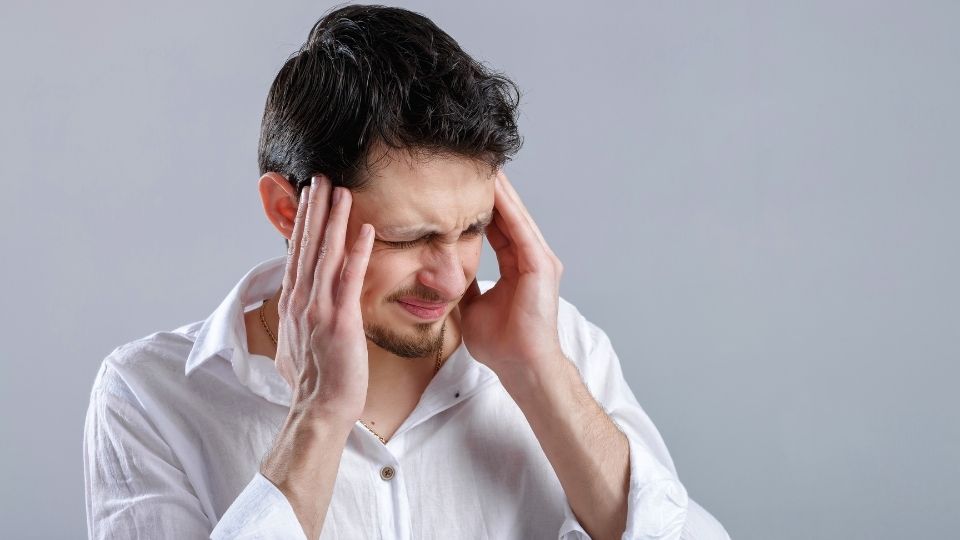
Short-term physical risks include numbness, blurred vision, difficulty breathing, and raised heart rate and high blood pressure, which Health Canada links to stroke, heart attack, and accidents. Ketamine can also trigger acute anxiety, paranoia, and psychosis in vulnerable people.
Bladder and Kidney Damage
This is the risk that surprises people. Ketamine is toxic to the urothelial cells lining the urinary system, and long-term use causes ketamine-induced cystitis, sometimes called ketamine bladder. Health Canada lists bladder inflammation, painful and urgent urination, and incontinence among the long-term effects. NHS clinical guidance is blunter: the condition can bring severe pain in the kidneys and bladder, blood in the urine, and kidney disease, and there is no cure for ketamine-induced cystitis, only symptom management. The one way to stop the health problems linked with ketamine is to stop taking it [4].
Some of the damage is permanent. That is why the timeline on this particular addiction is not something to wait out.
Cognitive and Psychological Consequences
Long-term ketamine use is associated with flashbacks, social withdrawal, and memory loss, and Health Canada also lists impaired memory, decreased sociability, and attention problems among the long-term mental effects. Heavy users often describe a persistent flatness and difficulty holding a thought, which is a cruel outcome for anyone who started using ketamine to escape depression.
Mixing Ketamine With Other Substances
Combining ketamine with alcohol or other central nervous system depressants raises overdose risk sharply, because both suppress breathing. Mixing substances is how a recreational drug becomes a fatal one. Ketamine’s sedating and amnesic properties are also why it has been used in drug-facilitated sexual assault; CAMH notes it can be slipped into someone’s drink without the person’s knowledge.
Treatment for Ketamine Addiction
Ketamine addiction responds to treatment, and the earlier someone starts, the better the outcome. Overcoming addiction to a drug with real medical uses can be confusing, which is one more reason to have clinicians rather than the internet decide what a person’s potential addiction actually needs. Effective treatment usually moves through several stages.
Detoxification comes first where it is needed. Ketamine withdrawal is generally less physically dangerous than alcohol or opioid withdrawal, but cravings, anxiety, and low mood are real, and medical supervision makes the first weeks survivable rather than a test of endurance. Medication may be used to manage specific withdrawal symptoms and any co-occurring condition, though no medication treats ketamine addiction itself.
From there, the work is behavioral. Psychotherapy is central to treatment. Approaches may include CBT, motivational interviewing, relapse-prevention work, and treatment of co-occurring mental health conditions, but the evidence base for ketamine-specific treatment protocols remains limited. Treating the substance abuse without treating the mental health disorders underneath it is how people end up back where they started, often mixing ketamine with alcohol or other drugs along the way.
Support groups and aftercare programs carry recovery past discharge. Narcotics Anonymous and other fellowships give men a room full of people who understand the pull, and structured aftercare keeps the accountability in place through the months when motivation dips.
At Into Action Recovery, we have run men’s programs across Canada since 2012. Our residential drug addiction treatment in British Columbia combines clinical work with 12-step principles, physical conditioning, and a brotherhood of men who hold each other accountable, built around long term recovery rather than getting through a month. Seeking professional help is not an admission of weakness; it is the shortest route back to running your own life.
If you are a family member trying to work out whether what you are seeing is a problem, call us. We will tell you straight.
Is Ketamine Addictive? Frequently Asked Questions
Is Ketamine Physically Addictive?
Ketamine produces tolerance and a withdrawal state, so there is a physical component, but it is not physically addictive in the way alcohol, benzodiazepines, or opioids are, where withdrawal itself can be medically dangerous. The stronger driver is psychological dependence: cravings and the belief that the drug is the only thing making life tolerable.
How Long Do Ketamine Withdrawal Symptoms Last?
Cravings, sweating, and headaches are the withdrawal effects Health Canada identifies, and many people find the acute phase passes within one to two weeks. Low mood, anxiety, and sleep problems can persist longer, particularly where a mental health condition was already present.
Is Ketamine Therapy for Depression Safe?
Ketamine has real evidence behind it for treatment-resistant depression and acute suicidal thinking, and in a monitored clinical setting the addiction risk is low. The risk rises with take-home supply, minimal screening, and open-ended treatment. If you have a history of substance use disorder, say so before starting; it changes how the treatment should be managed, not whether you can have it.
Can You Overdose on Ketamine?
Yes, particularly when ketamine is combined with alcohol or other depressants, which together can suppress breathing enough to cause coma. If someone is unresponsive, breathing slowly, or cannot be woken, call 911.
How Long Does Ketamine Stay in Your System?
Ketamine’s elimination half-life is typically 2 to 4 hours [1], so the drug clears the body quickly compared with many substances. The effects wearing off fast is part of what makes repeat dosing tempting.
Sources
- StatPearls, NCBI Bookshelf. Ketamine. https://www.ncbi.nlm.nih.gov/books/NBK470357/
- Health Canada. Ketamine. https://www.canada.ca/en/health-canada/services/substance-use/controlled-illegal-drugs/ketamine.html
- Centre for Addiction and Mental Health (CAMH). Ketamine. https://www.camh.ca/en/health-info/mental-illness-and-addiction-index/ketamine
- East Kent Hospitals University NHS Foundation Trust. Ketamine addiction and ketamine bladder / induced cystitis. https://leaflets.ekhuft.nhs.uk/ketamine-addiction-and-ketamine-bladder-and-induced-cystitis/html