
Smoked crack may produce an acrid or chemical odor, but there is no reliable, standardized smell that can identify crack cocaine. Descriptions such as burning plastic or ammonia are anecdotal and can vary with the product, contaminants, and smoking method. How long an odor remains depends on ventilation, the amount smoked, the smoking method, and other substances present. Odor duration should not be used as evidence that crack was or was not smoked.
Most people asking what crack smells like are asking about a loved one. If that is you, the smell is the weakest evidence you have, and everything below it is stronger. Our crack addiction treatment program works with men across British Columbia, and you do not need to be certain of anything before you call.
What Does Crack Smell Like?

The Smell of Smoking Crack
Heat turns the rock to vapour, and the result is acrid and chemical, closer to a burning plastic bag or a scorched extension cord than to anything botanical. Some people report a sweetish note over the chemical smell, others an ammonia sting.
That variation is real, and it comes from what is in the rock. Illicit cocaine may contain adulterants or diluents. Forensic studies have identified substances such as levamisole, phenacetin, caffeine, lidocaine and other local anesthetics. The contents of any illicit sample are unpredictable. Common cutting agents include talc, baking powder and laundry detergent.
The adulterant that matters most is the one you cannot smell. Fentanyl turns up in the Canadian stimulant supply, crack cocaine included, and it has no smell, no taste, and no reliable appearance. That is the most important sentence on this page: a man who has only ever used crack can now overdose on an opioid without knowing he took one. Naloxone reverses that overdose, and kits are available at no cost through British Columbia’s take-home naloxone program at participating pharmacies and community sites.
What Crack Smells Like Before It Is Smoked
An unsmoked rock is quieter than most people expect. Crack cocaine is made by processing cocaine hydrochloride with ammonia or sodium bicarbonate, better known as baking soda, and water, then heating the mixture to drive off the hydrochloride [1]. Crack is produced by converting cocaine hydrochloride into a smokable cocaine-base form. Its appearance and any odor can vary depending on preparation and other substances present.
The Drug Enforcement Administration describes crack as small, irregularly shaped white rocks [2], and off-white is just as common. The drug takes its name from the crackling sound the rock makes as it heats. If you want the vocabulary people use around it, we keep a running list in our guide to cocaine street names and slang.
What Does Powder Cocaine Smell Like?
Powder cocaine generally has little useful identifying odor. Appearance, smell, or taste cannot reliably establish what an illicit powder contains. Across a room there is nothing to detect. That is the practical difference between the two forms: powder is quiet, and smoking is what produces a smell anyone else notices.
Do Other Drugs Smell Similar?
Yes, and this is where identifying drug smells falls apart as a method.
Odor is an unreliable way to distinguish illicit drugs. Different drugs, contaminants, household chemicals, smoking materials, and electrical problems can produce overlapping smells.Of the illicit drugs a family is likely to run into, meth is the only one that genuinely smells like crack, and the two get confused in other ways too, which we untangle in our comparison of crack and meth.
Heroin is different: smoked on foil it gives off a vinegary, faintly sweet odour, and black tar heroin can smell of vinegar unheated. Fentanyl powder is effectively odourless, part of what makes a contaminated supply so dangerous. Cannabis is unmistakable.
A burning plastic smell in a house also has innocent explanations: an appliance, a scorched cable, something left too near a burner. Crack cocaine smell shifts with the batch, the ventilation, and how much was smoked and how long ago, so treat it as one observation among several rather than a test.
Crack vs. Cocaine: The Same Drug in a Different Form
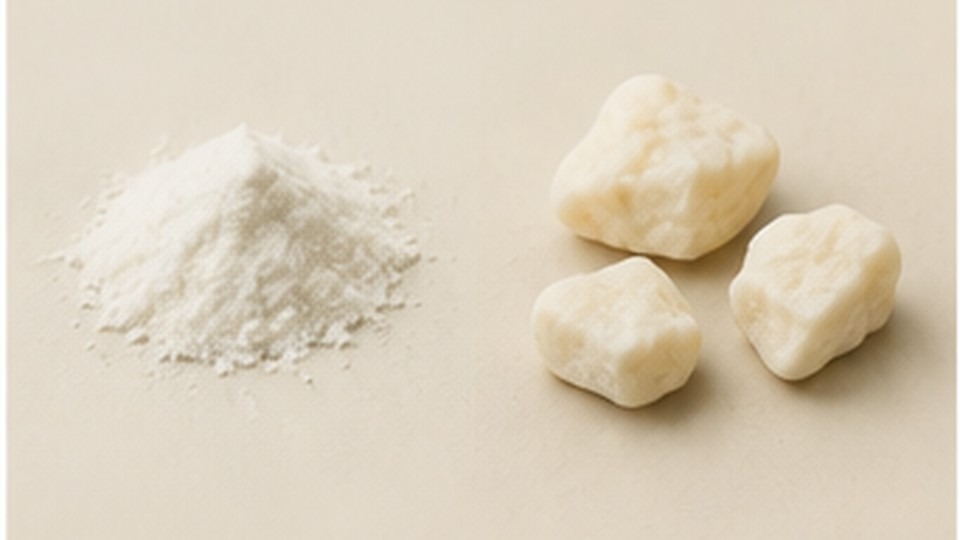
Chemically, crack and cocaine are the same active drug. Powder cocaine is the water-soluble hydrochloride salt, which is why it can be snorted or dissolved and injected. Crack is that same cocaine with the hydrochloride stripped out so it can be smoked.
What changes is speed. Snorting produces a relatively slow onset and a high that may last 15 to 30 minutes, while the high from smoking arrives almost immediately and may last only 5 to 10 minutes [1]. The faster a drug is absorbed, the more intense the high and the shorter its duration.
Route is also what separates the physical damage. Snorting concentrates the harm in the nasal passages, the subject of our piece on what cocaine does to the nose. Smoking sends it to the lungs instead.
Why Crack Is Considered More Addictive
Crack is not a stronger drug than powder cocaine. Rapid delivery to the brain increases cocaine’s reinforcing effects and is one reason smoked cocaine carries particularly high addiction risk.
A high that peaks in seconds and fades inside ten minutes sets up a cycle that powder does not. The crash arrives sooner, the craving arrives with it, and people binge, using repeatedly until they are exhausted or the supply is gone. Some people escalate from intermittent to frequent use quickly, although the course varies widely. The crash deserves understanding on its own terms, and we describe it in our post on the cocaine comedown.
Health Canada states plainly that cocaine and crack are highly addictive [3], and crack cocaine is the more highly addictive of the two in practice for that reason alone, not because the molecule differs. Both sit in Schedule I of the Controlled Drugs and Substances Act, and possession, sale and production are illegal in Canada.
It is also why crack cocaine drug abuse escalates the way it does. Binging leads to sleep deprivation, which leads to paranoia, which leads to the isolation that keeps the cycle running. Cocaine addiction of any form is hard to interrupt, and this one gives a person less room between doses to notice what is happening.
Signs of Crack Use
No single sign confirms anything. A cluster of them, appearing together and getting worse, is what matters.
Physical symptoms include dilated pupils, restlessness, a marked drop in appetite and weight, insomnia followed by long crashes, excessive sweating, and a decline in personal hygiene. Burns or cracked skin on the lips and fingertips point to smoking rather than snorting, and a persistent cough in someone who does not smoke tobacco is worth noticing.
Behavioural signs show up as pattern changes: money disappearing without explanation, hours unaccounted for, returning wired or exhausted, secrecy about a bag or a room, paranoid thinking, severe mood swings, and aggression or irritability that arrives on a schedule. Many of these overlap with powder cocaine use, and our fuller list of the signs of cocaine use covers both forms.
Household signs are the common signs family members usually find first. A crack pipe is typically a short glass tube or small glass pipe, scorched dark at one end. Tiny plastic baggies or corner-cut plastic. Lighters turning up everywhere, burned down the side rather than the tip. Scorch marks on hard surfaces. Small off-white fragments in a pocket or a drawer.
Health Risks of Crack Cocaine
The immediate risks are cardiac and neurological. Cocaine in any form raises heart rate and blood pressure and constricts blood vessels, and absorbing a toxic amount can cause a heart attack, a stroke or seizures. Health Canada lists respiratory failure, irregular heartbeat and heart failure among the signs of overdose [3]. Those are 911 situations, not wait-and-see ones.
Smoking adds lung injury that snorting does not. Repeated crack use is linked to inflamed or collapsed lungs, and the acute respiratory pattern that can follow heavy smoking has its own name and its own timeline, covered in our article on crack lung.
Over a longer horizon, Health Canada links continued use to depression, sleeping problems, and losing touch with reality through hallucinations, delusions or psychosis. Sustained use damages the heart, the lungs and the brain together, and reduced concentration and memory are common in men who have been using for years. Cocaine accounted for 5 percent of all hospital stays for substance use harm in Canada between March 2020 and June 2021 [4].
When to Get Help for Crack Cocaine Addiction
Noticing a smell is worth something mainly because early detection changes outcomes: seeking help earlier may reduce the opportunity for medical, psychological, and social harms to accumulate.
Families spend months deciding whether what they are seeing is bad enough to act on. A simpler threshold: continued use despite obvious harm is an important warning sign and one possible criterion for a cocaine use disorder. A formal diagnosis requires a broader pattern of at least two qualifying symptoms within 12 months.
Signs the situation is high risk and needs professional support rather than another conversation: intense cravings that override plans, use that has moved from weekends to daily, rapid weight loss, chest pain, paranoia or psychosis, and any overdose, however minor it looked. Crack addiction treatment is also the right call when mental health concerns sit alongside the substance abuse, because treating one and ignoring the other tends to fail.
For loved ones, the useful posture is narrow. Dealing with a person in active crack cocaine addiction is not a debate you win. What family members can do is stop funding it, stay in contact, and have treatment options ready for the moment he is willing. Canada-wide, Drug Rehab Services can provide free referrals at 1-877-254-3348, and provincial helpline information and local substance use services are listed on the Government of Canada substance use page.
Crack Cocaine Detox and Withdrawal
Crack withdrawal is rarely dangerous the way alcohol withdrawal can be, and it is punishing in a different way. There is no dramatic physical syndrome, just exhaustion, heavy sleep, a flattened mood that can drop into real depression, and cravings that stay intense for weeks. Cocaine withdrawal is not usually medically life-threatening by itself, but severe depression, suicidality, psychosis, polysubstance use, or other complications can require urgent clinical care.
Medical supervision still matters, because the depression can become a safety issue and because polysubstance use is common. Our post on cocaine withdrawal symptoms sets out the timeline.
Families often ask about testing at this stage. The detection window is shorter than most people assume, and we cover the numbers in our piece on how long cocaine stays in your urine. If you have thoughts of harming yourself at any point in this, call or text 988, Canada’s suicide crisis helpline.
Crack Cocaine Rehab in British Columbia
Into Action Recovery has run men’s programs in British Columbia since 2012, with locations in Vancouver, Surrey, Burnaby and Abbotsford. Crack rarely arrives alone in the men we admit: it comes with alcohol, with other stimulants, and often with depression or trauma that predates the drug use.
Our men’s treatment programs combine structured residential addiction treatment, individual and group clinical support, 12-step principles, physical activity, and peer accountability. Men who require medically supervised withdrawal management complete detox at an appropriate medical facility before admission. Treatment for crack addiction is not willpower coaching. It is removing access, treating what sits underneath, and building a week with no room in it for the drug. What separates addiction treatment centres is rarely the brochure, it is what happens in week three, once the novelty is gone and recovery is routine.
Call for a confidential conversation: non-judgmental support, no pressure, and a straight answer about what treatment would look like.
Crack vs. Cocaine Frequently Asked Questions
What Is Crack Slang For?
Crack is the common name for smokable cocaine base, named for the crackling sound the rock makes when heated. It also goes by rock, hard and base. Freebase is related but not identical, being prepared with ether rather than baking soda.
Why Is Crack Punished More Harshly Than Cocaine?
That disparity is a United States phenomenon rather than a Canadian one. In Canada, cocaine and crack are both Schedule I substances under the Controlled Drugs and Substances Act and carry the same penalties. Canadian drug law does not separate the two forms the way American federal sentencing has.
What Medications Are Used for Crack Cocaine Detox?
None are approved for this purpose. There is no stimulant equivalent of what methadone or buprenorphine do for opioid dependence, and anyone promising one is overselling. What treatment provides is medical monitoring, sleep and nutritional support, medication for a co-occurring condition where one exists, and the behavioural therapies that carry the weight.
Do Any Foods Help Flush Cocaine From Your System?
No. Food, water, exercise, and vitamins do not change how quickly the liver clears cocaine, and the cleanses sold for this do nothing measurable. Time and metabolism are the variables that matter.
How Common Is Cocaine Use in Canada?
About 2.0 percent of people in Canada reported using cocaine in the previous year, roughly 605,000 people, and among young adults aged 20 to 24 that figure was 9.0 percent [4]. Canadian surveys generally count crack and powder cocaine together rather than separately.
Sources
- National Institute on Drug Abuse. Cocaine. https://nida.nih.gov/research-topics/cocaine
- Drug Enforcement Administration. Cocaine Drug Fact Sheet. https://www.dea.gov/factsheets/cocaine
- Health Canada. Cocaine and crack. https://www.canada.ca/en/health-canada/services/substance-use/controlled-illegal-drugs/cocaine-crack.html
- Canadian Centre on Substance Use and Addiction. Canadian Drug Summary: Cocaine, 2022. https://www.ccsa.ca/sites/default/files/2022-10/CCSA-Canadian-Drug-Summary-Cocaine-2022-en.pdf