
Gabapentin is a prescription medication used to manage certain neurological and pain-related conditions. While originally developed to help control seizures, its use has expanded significantly over time. Is gabapentin addictive? Despite being considered lower risk than opioids in many settings, growing evidence suggests gabapentin is not without its dangers. Understanding how this drug works, who faces the highest risk of misuse, and what warning signs look like can help individuals and families make informed decisions. If you or someone you love is concerned about gabapentin dependence, our drug rehab program can provide the support needed to move forward safely.
Understanding Gabapentin Use and How It Works

Gabapentin was first approved to treat partial seizures in adults and children. Over time, it also became widely used for postherpetic neuralgia, the painful nerve condition that can linger after shingles. A related medication, gabapentin enacarbil, is also used for restless legs syndrome.
Gabapentin is structurally similar to GABA, but it does not act directly on GABA receptors in the way many people assume. Its exact mechanism is not fully understood, though it is known to bind to a subunit of voltage-gated calcium channels and reduce abnormal nerve signaling. This helps explain why the medication can be useful for seizure disorders and certain forms of nerve pain.
Today, gabapentin prescriptions continue to rise. Although most people who take it as prescribed do not develop addiction, misuse has been documented, especially in higher-risk populations and among people who use opioids or other substances. The risk of dependency often depends on how the body processes the medication, and understanding how long gabapentin stays in your system can provide clarity on how the drug accumulates over time, especially for those with impaired kidney function.
Inpatient Rehab at Into Action Recovery
Inpatient rehab gives men a safe, immersive environment to step away from daily triggers and focus fully on healing. With 24/7 support, clinical care, structured routines, and a strong recovery community, residential treatment helps build the foundation for lasting sobriety and meaningful change.
At Into Action Recovery, inpatient treatment is designed for men who need focused support for substance use, accountability in early recovery, and a program that combines therapy, structure, and brotherhood in a calm, purpose-driven setting.
Is Gabapentin a Narcotic or Controlled Substance?
One of the most common questions is whether gabapentin is a narcotic or controlled substance. The answer depends in part on where you live.
Gabapentin is not classified as a federally controlled substance by the Justice Department of Canada or the United States DEA. The federal government does not list it alongside drugs like oxycodone or fentanyl. However, some US states have chosen to classify gabapentin as a controlled substance or require it to be tracked through prescription monitoring programs because of growing concern about misuse and diversion. Since state laws can change, the current classification should always be verified locally before publication or prescribing decisions are made.
Substances classified as Schedule V controlled substances under the Canadian Controlled Drugs and Substances Act (CDSA) are considered to have a lower potential for abuse than drugs in Schedules I through IV, but they may still carry a risk of addiction or misuse. The classification of gabapentin in some states reflects increasing concern about the way it is misused, particularly when combined with opioids.
In places where gabapentin is a controlled substance or closely monitored, prescribers may need to follow stricter oversight protocols. While it remains federally unscheduled, the growing number of states choosing to regulate or monitor gabapentin reflects mounting concern about the risk of this medication being diverted.
Gabapentin and the Opioid Epidemic
The opioid epidemic has brought renewed attention to substances that interact dangerously with opioids. Since 2016, tens of thousands of people have died from opioid-related overdoses in Canada. Gabapentin has been increasingly documented in misuse and overdose investigations, particularly where it is used alongside opioids to intensify sedation or other effects.
Combining gabapentin with opioids can significantly increase the risk of unintentional opioid poisoning and death. This dangerous combination is one reason why understanding opioid addiction is so critical for anyone taking gabapentin alongside other drugs. The United States’ FDA has specifically warned about serious breathing problems when gabapentin is used with opioids or other central nervous system depressants.
Gabapentin is increasingly used as an intoxicating agent to intensify opioid effects or achieve a sedative high. Misuse appears to be relatively uncommon in the general population, but rates are much higher among people with opioid use disorders and other substance use disorders. For those struggling with opioid dependence, adding gabapentin is extremely dangerous.
Side Effects of Gabapentin
Like any drug, this medication carries side effects. Most are mild, but some require prompt care. Discuss all health conditions with your doctor before taking this prescription medication, especially if you have kidney disease, chronic obstructive pulmonary disease, or a history of drug abuse.
Common side effects of gabapentin include:
- Dizziness, drowsiness, and fatigue
- Weight gain or swelling in some patients
- Double vision or blurred vision
- Jerky movements or loss of coordination
- Nausea and digestive discomfort
These symptoms may affect daily activities such as driving or operating machinery. Patients should inform their healthcare provider if symptoms persist or worsen.
Serious Side Effects to Watch For
More serious side effects of gabapentin call for immediate medical attention. Watch for:
- Severe allergic reaction (swelling of face, throat, or tongue)
- Breathing problems or respiratory depression
- Suicidal thoughts or sudden changes in mood
- Extreme sedation or confusion
- Severe swelling or other unexpected reactions
This medication can increase the risk of respiratory depression when taken with other medications that cause sleepiness, particularly in older adults or those with lung conditions. The combination of gabapentin and opioids can lead to serious breathing problems, especially in vulnerable patients. Drinking alcohol while taking gabapentin can also increase drowsiness, dizziness, and impairment, and combining multiple depressant substances raises the risk of dangerous side effects.
If you or someone you know experiences suicidal thoughts while taking gabapentin, contact a healthcare provider right away.
Gabapentin Addiction: Understanding the Concern
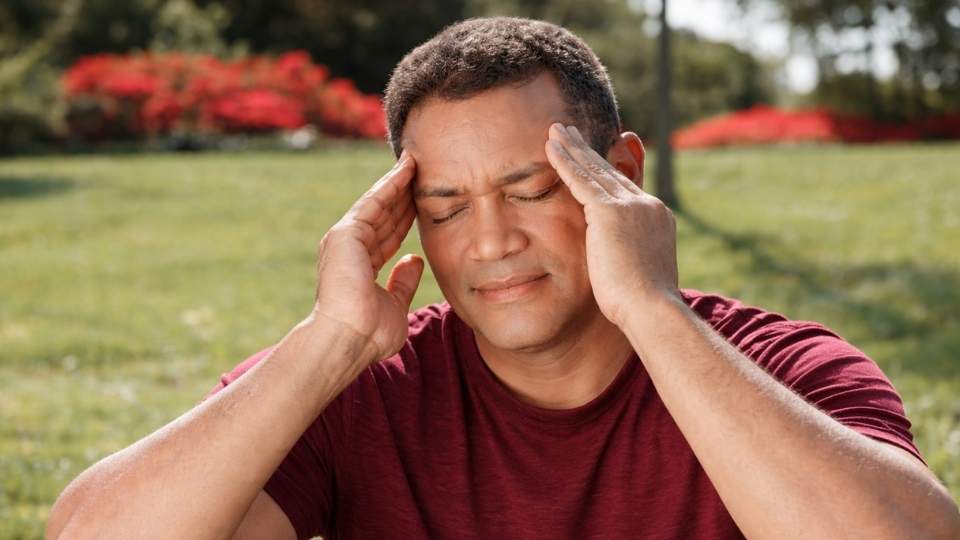
Gabapentin is not considered addictive in the same way as opioids, but there have been reports of misuse and abuse, particularly when combined with opioids. Despite its lower addiction potential in the general population, this medication can lead to physical dependence and is increasingly misused in certain groups.
The risk is highest among people with a history of substance use disorder, especially opioid use disorder, and in those who engage in polysubstance use. People with co-occurring mental health conditions may also be at elevated risk if they begin using the medication outside of prescribed directions. Individuals already navigating the stages of addiction face the highest risk.
| Factor | Impact on Misuse | Notes |
|---|---|---|
| History of opioid use disorder | High | Often used to enhance opioid effects |
| Polysubstance use | High | Combining with other drugs increases danger |
| No substance use history | Low | Concern remains, but risk is significantly lower |
| Elderly patients | Moderate | Greater sensitivity to breathing problems |
| Kidney problems | Moderate | Impaired drug clearance raises overdose concern |
| Mental health conditions | Moderate to high | May contribute to nonmedical use in some cases |
If a physical dependency has already formed, it is crucial to recognize the potential gabapentin withdrawal symptoms and why a medically supervised taper is the safest path forward to manage the specific timeline of recovery
Gabapentin Abuse and Misuse Patterns
Gabapentin abuse often goes undetected because the drug may not appear on many standard screening panels, depending on the testing setting. People who misuse gabapentin typically take doses far exceeding what is prescribed, or they combine it with opioids or other drugs to amplify effects like drowsiness and sedation.
Those with a moderate to severe primary substance use disorder are especially vulnerable. For individuals considering detox before treatment, it is important to disclose all substances, including gabapentin, to your team.
Long-term gabapentin use can quietly build tolerance in some individuals, leading them to escalate doses without guidance. This pattern of abuse can resemble what is seen with other prescribed substances. Neurontin and its generic equivalents are increasingly identified in overdose cases involving opioids.
How Gabapentin Interacts with Other Medications
Taking gabapentin alongside opioids, benzodiazepines, or other medication types that depress the central nervous system requires careful supervision. These combinations can dramatically increase the risk of overdose, breathing problems, and death.
Always tell your healthcare provider about all substances you are using, including over-the-counter products. Even anti-anxiety medication can pose concerns when paired with Neurontin. Never adjust your dose or stop abruptly without speaking to your doctor; doing so can trigger dangerous withdrawal symptoms.
Treating Nerve Pain Safely
Gabapentin remains one of the most commonly used medications for certain types of nerve pain, especially postherpetic neuralgia. It is also prescribed off-label in some cases for other neuropathic pain conditions. For many patients, the medication provides meaningful relief when used as directed.
However, nerve pain treatment should involve a comprehensive approach. Inpatient rehabilitation can be especially beneficial for individuals whose pain management has become intertwined with substance misuse. Non-pharmacological options such as cognitive behavioural therapy and meditation therapy may reduce the need for higher doses over time.
Your healthcare provider can help evaluate whether gabapentin is the right choice for your medical condition or whether alternative treatment options may be safer.
Brand Names and Forms of Gabapentin
Gabapentin is sold under several brand names. Neurontin is the most widely recognized. Gabapentin enacarbil, marketed as Horizant, is an extended-release formulation used primarily for restless legs syndrome and also for postherpetic neuralgia. Lyrica CR is often grouped with Neurontin in discussions, but is actually a separate medication, pregabalin, that works through a similar mechanism.
Understanding the different brand names matters because each carries its own dosing guidelines. Neurontin, for example, is available in various strengths, and switching between formulations without guidance from a doctor can lead to dosing errors. Horizant is not interchangeable with other gabapentin products.
Withdrawal Symptoms and Dependence
Long-term use of this medication can lead to dependence, and abruptly stopping can trigger withdrawal symptoms, including anxiety, insomnia, nausea, and in some cases seizures.
Symptoms often begin within 12 to 48 hours of the last dose, though timing can vary, and may include:
- Sweating and rapid heart rate
- Insomnia and restlessness
- Nausea and abdominal pain
- Seizures in severe cases
- Mood instability and depression
For anyone taking gabapentin long-term, tapering under medical supervision is essential. This process is similar to managing opiate withdrawal and requires professional oversight.
When to Contact Your Healthcare Provider
Contact your healthcare provider immediately if you experience overdose symptoms, serious side effects, or signs of medication dependence. Warning signs include difficulty breathing, extreme sedation, confusion, or kidney problems such as decreased urination.
If you notice you are taking more gabapentin than prescribed, seeking the drug from multiple sources, or feeling unable to function without it, these are signs that gabapentin use may have crossed into problematic territory. Medical professionals can help navigate these challenges without judgment.
Seeking Professional Help for Gabapentin Dependence
If gabapentin addiction or dependence is affecting your life, it is essential to seek professional help. Treatment typically involves a medically supervised taper combined with behavioral therapy to address underlying patterns of use.
Our drug rehab programs offer comprehensive support for individuals struggling with prescription medication dependence. Treatment may include individual counselling, group therapy, relapse prevention planning, and aftercare support.
Recovery is possible with the right treatment and a strong support system. If you are unsure whether help is needed, exploring whether it is time to get started can be a helpful first step.
Is Gabapentin Addictive? Frequently Asked Questions
Can You Become Addicted to Gabapentin if You Take It as Prescribed?
While the concern is lower when gabapentin is taken exactly as prescribed, physical dependence can still develop over time. Misuse risk is significantly higher in individuals with a history of substance abuse, especially opioid use disorder, and these patients should be closely monitored by their doctor.
Is Gabapentin Dangerous When Combined with Alcohol?
Yes. Drinking alcohol while taking gabapentin can significantly increase drowsiness, dizziness, and impaired coordination. When alcohol is combined with gabapentin and other depressant substances, the risk of dangerous side effects rises further. If you are exploring your relationship with alcohol, discuss gabapentin use with your healthcare provider.
How Should You Safely Stop Taking Gabapentin?
Never stop taking gabapentin abruptly. A gradual taper under the supervision of a healthcare provider is the safest approach. Stopping suddenly can trigger withdrawal symptoms, including seizures and insomnia. Your doctor can create a personalized tapering plan based on your dose and history.