
Deciding to quit drinking alcohol is one of the most meaningful choices you can make for your health and your future. Whether you have been drinking alcohol socially for years or are dealing with a serious pattern of alcohol abuse, this guide walks you through realistic steps toward an alcohol free life. Are you wondering how to quit drinking? If you or a loved one is facing alcohol addiction, understanding the path forward is the first step toward lasting change.
Quitting drinking is not about perfection. It is about progress, self-awareness, and building a life you do not need to escape from.
Understanding Alcohol Use Disorder
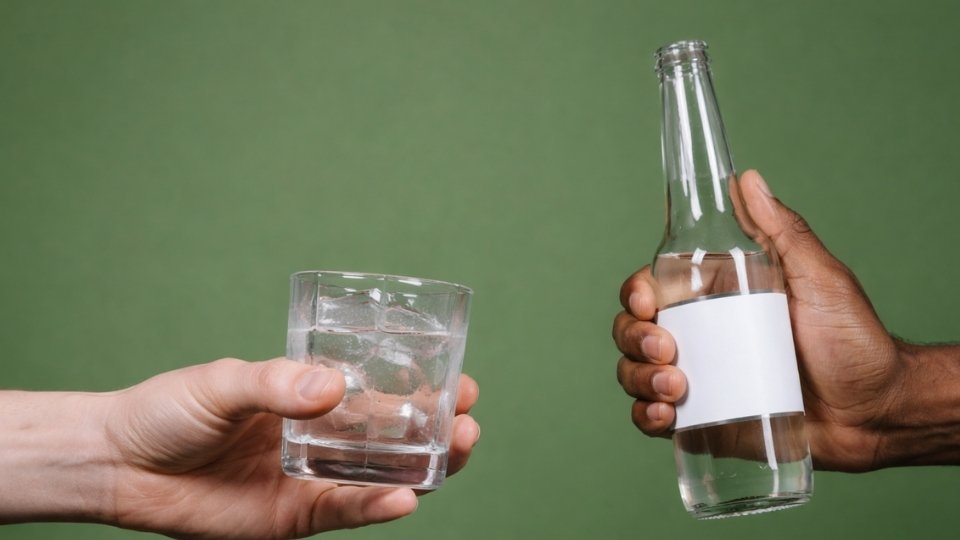
Alcohol use disorder is a condition recognized by the government of Canada and the National Institute on Alcohol Abuse and Alcoholism in the United States. It ranges from mild to severe and is characterized by an inability to control alcohol use despite negative consequences. If you find it hard to stop drinking once you start drinking, or if drinking alcohol interferes with work, family, or health, you may be experiencing this disorder.
Recognizing that alcoholism is not a moral failing helps remove the stigma that prevents people from seeking help.
Inpatient Rehab at Into Action Recovery
Inpatient rehab gives men a safe, immersive environment to step away from daily triggers and focus fully on healing. With 24/7 support, clinical care, structured routines, and a strong recovery community, residential treatment helps build the foundation for lasting sobriety and meaningful change.
At Into Action Recovery, inpatient treatment is designed for men who need focused support for substance use, accountability in early recovery, and a program that combines therapy, structure, and brotherhood in a calm, purpose-driven setting.
Why Quitting Drinking Is So Difficult
Alcohol changes brain function over time. In early recovery, mood can fluctuate before improving, and symptoms such as anxiety or low mood may reflect both withdrawal and underlying mental health factors. However, reaching a more stable state often means pushing through real discomfort. Many individuals discover that alcohol was masking deeper pain, such as trauma or worry, and counseling can provide tools to address these underlying issues during recovery.
Drinking habits become deeply tied to routines. Social events, the taste of wine, and daily pressures can create powerful associations that lead to cravings. This is because ethanol deeply impacts the central nervous system; understanding whether alcohol is a stimulant or a depressant can help you realize why your mood and energy fluctuate so much during the early stages of recovery.
The First Step: Setting Realistic Goals
Setting realistic goals is crucial when you decide to quit. Instead of aiming for perfection, focus on manageable progress, such as writing down your goals and celebrating small wins. The first step is being honest about your relationship with alcohol use.
Some people choose to stop drinking completely, while others reduce their intake first. A medical professional can help determine the safest approach based on your body, your drinking habits, and overall health. Talk to your doctor and create a plan that works.
Understanding Your Triggers
Understanding your triggers, which can be emotional or situational, is essential for developing effective strategies to cope with cravings when quitting drinking. Be aware of the acronym HALT (Hungry, Angry, Lonely, or Tired), a commonly used recovery tool that can help identify situations that increase the urge to drink.
As you navigate social settings, it helps to dismantle the cultural myths that glamorize certain drinks, such as the common misconception about tequila being an upper, to see alcohol for the depressant it truly is.
Common triggers include:
- Pressure from work, finances, or relationships
- Social influence from friends or family members
- Emotional states like anxiety or boredom
- Environmental cues, such as seeing others drinking alcohol
- Routines linked to alcohol use
Track your cravings in a journal for better control. For more on this, read about dealing with cravings and triggers.
How to Plan Ahead for Sobriety
Planning ahead can improve your chances of success when trying to get sober on your own. Removing access to alcohol by clearing your home and avoiding places that tempt you to drink can significantly help you quit drinking alcohol.
Talk to friends and family about your decision so they can encourage you. Have an exit strategy for events where drinking alcohol is present, and keep an alcohol free beverage handy. Failing to plan ahead is one of the top reasons people fail to get sober on their own.
Withdrawal Symptoms: What to Expect
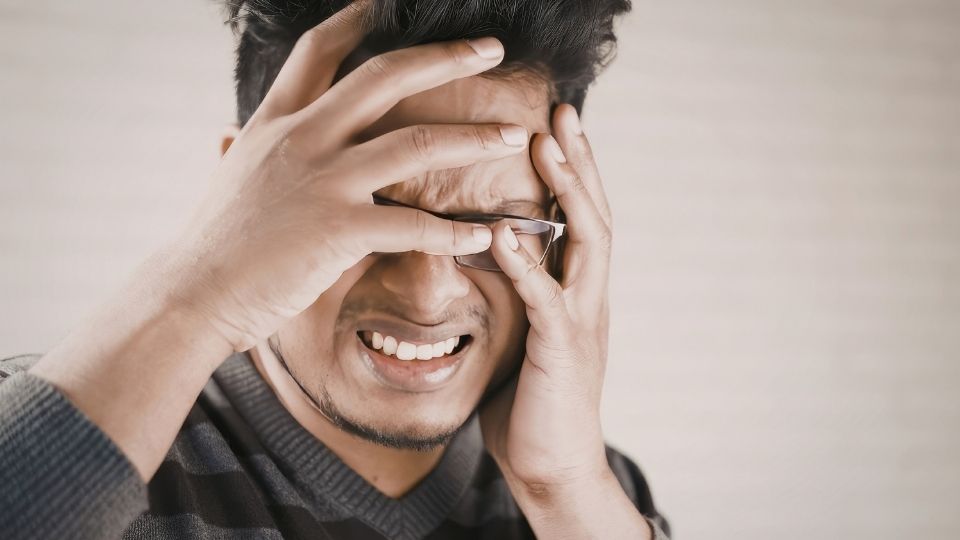
One of the most important reasons to talk to a doctor before quitting drinking is the risk of alcohol withdrawal. Withdrawal symptoms can begin as early as 6 to 12 hours after the last drink, often peak around 2 to 3 days, and may last up to about a week, though some symptoms can linger longer.
These can include anxiety, tremors, sweating, and in severe cases, delirium tremens, which can be life-threatening without intervention. Heavy drinkers are more likely to experience dangerous reactions when they stop drinking, which is why supervision is recommended during detox.
Many people decide to quit after a dangerous incident or health scare; if you are making this choice for safety reasons, it is also vital to know the life-saving signs of what alcohol poisoning is and how to respond in an emergency.”
Alcohol Withdrawal Timeline
| Timeframe | What to Expect | Severity |
|---|---|---|
| 6–12 hours | Tremors, nausea, sweating | Mild to moderate |
| 12–48 hours | Increased heart rate, irritability, possible hallucinations | Moderate |
| 24–48 hours | Seizure risk may emerge | Severe (seek medical attention) |
| 48–72 hours (peak) | Hallucinations, confusion, delirium tremens risk | Severe (seek medical attention) |
| Days 4–7 | Symptoms gradually improve | Decreasing |
| Weeks 1–4 | Emotional adjustment, urges to drink | Mild, psychological |
The first month after quitting drinking is often the most challenging, as individuals may experience significant emotional and psychological adjustments. Learn more about the full withdrawal timeline.
Treatment Options and Medicine
Consulting a doctor may provide advice on managing withdrawal or medications to assist with cravings. Medicines like naltrexone can reduce the desire to drink. Other medications, such as acamprosate or disulfiram, may also be considered depending on individual needs.
Your doctor can also determine whether inpatient rehab is the right path.
A medical professional can assist in finding the best approach to quitting drinking, including referrals to a support group or structured programs. For immediate, confidential help, call SAMHSA’s National Helpline at 1-800-662-HELP (4357). Explore the full range of available treatment programs.
Counseling and CBT
Counseling can be an effective tool for those trying to stop drinking alcohol, helping individuals address underlying issues related to their alcohol use. Cognitive Behavioral Therapy (CBT) can help change thought patterns related to drinking.
Other helpful approaches include DBT and mindfulness-based practices. These methods address the mental roots of dependence and give you tools to manage life without relying on alcohol.
Building a Strong Support System
Building connections by informing friends and family about the decision to stop drinking can facilitate encouragement. You do not have to do this alone. Talk openly with people you trust.
Support groups, such as Alcoholics Anonymous (AA), provide a community for individuals seeking to quit, offering shared experiences. Other programs like SMART Recovery or 12-step recovery are also effective. Read more about the power of community in sobriety.
Replacing Drinking Habits with Healthy Alternatives
Replacing drinking habits with healthy activities can aid in developing a new lifestyle. A lifestyle shift is essential for long-term sobriety:
- Take a daily walk or eat a balanced diet rich in whole foods and nutrients
- Volunteer, try artistic hobbies, or practice yoga for recovery
- Prioritize sleep and develop a calming bedtime routine
- Practice mindfulness to improve well-being and manage stress
Prioritizing healthy eating and sufficient rest is important for stabilizing mood and physical health during recovery. A nutritious diet with wholesome food and consistent sleep helps your body heal. Making these changes to your lifestyle builds a strong foundation.
Managing Cravings Day to Day
Cravings are a normal part of quitting drinking, but they do pass. Simple coping techniques can help, such as delaying the urge, distracting yourself with a task, and then reassessing how strong the craving feels.
Maintaining sobriety can include finding new hobbies, practicing self-care, and viewing relapses as learning opportunities. If experiencing a setback, learn from it and recommit to the plan. For guidance, visit tips for coping with a relapse.
What Happens When You Stop Drinking Alcohol
When you stop drinking alcohol, your body can recover in important ways. Abstaining may result in improved liver function, especially in earlier stages of alcohol-related liver disease, with improvements often beginning within weeks, depending on the extent of prior damage.
After quitting, individuals often experience better skin due to improved hydration and nutrition, resulting in less puffiness and a healthier glow.
Staying alcohol free long-term is associated with a decreased risk of various cancers. Reducing or eliminating alcohol lowers cancer risk over time, though the timeline varies based on individual factors. You may also notice better rest, more energy, and improved control over your health.
Frequently Asked Questions About Quitting Alcohol
How Long Does It Take to Break the Habit of Drinking Alcohol?
Cravings typically diminish with consistent abstinence and support. The first several weeks are often the most challenging, but many people begin to notice improvements in energy and outlook over time, though timelines vary. Women and men may experience different outcomes depending on factors like body weight, metabolism, and drinking patterns.
What Is the Safest Way to Stop Drinking if You Are a Heavy Drinker?
If you have been a heavy drinker, stopping alcohol use without a doctor’s help can be dangerous. Talk to your physician before you stop drinking completely. Medications and a structured plan through alcohol dependence recovery programs provide the safest path forward and help avoid serious consequences.
Can You Quit Drinking Without Going to Rehab?
Yes, some individuals successfully stop drinking without formal rehab, especially with mild to moderate alcohol use. However, having a support group, counseling, and a solid plan dramatically increases your chances. Programs like relapse prevention can help whether or not you attend residential treatment.
Your Journey Toward an Alcohol Free Life Starts Now
How to quit drinking is not a question with one answer. It is a journey that looks different for everyone. Whether you talk to your doctor, reach out to a support group, or begin by removing alcohol from your home, every step counts. If you are ready to take back control, see our alcohol addiction page to learn about personalized treatment designed to help Canadians overcome alcoholism and build lasting sobriety.