
Illegal drugs are substances regulated or forbidden by law, though legal status can vary by jurisdiction, because they are considered harmful to individuals and society. A thorough description of illegal drugs, how they affect the body, brain, and a person’s well-being, is essential for anyone impacted by substance use. If you or someone you know is struggling, professional drug addiction treatment can provide the support needed to reclaim a healthy life..
According to the World Drug Report, there are nearly 316 million drug users globally. Estimates suggest that tens of millions of people have drug use disorders, but only about 1 in 11 receive care for it, indicating a significant treatment gap. Illegal substance use is linked to significant health, social, and legal consequences, and legal penalties can include imprisonment and heavy fines.
How Illegal Drugs Affect the Central Nervous System

Drugs can be categorized into seven main categories: central nervous system (CNS) depressants, CNS stimulants, hallucinogens, dissociative anesthetics, narcotic analgesics, inhalants, and cannabis. This is one commonly used classification system, and each category of drugs affects the brain and body differently. Understanding these categories is key to recognizing the risks of drug abuse. Examples of drugs in each category range widely in potency and effects.
The global drug problem is deeply connected to organized crime and corruption. Street drugs are often unregulated and may be mixed with dangerous additives, increasing the risk of overdose. Evidence-based drug prevention programs can safeguard communities by reducing drug use and weakening illicit economies.
CNS Depressants: Slowing the Brain and Body
CNS depressants slow down brain activity and include drugs like alcohol, barbiturates, and benzodiazepines. Examples of commonly misused CNS depressants include Valium and gamma-hydroxybutyrate (GHB). These drugs are sometimes prescribed as medication for sleep problems or muscle spasms, but carry serious risks when misused.
When a person takes depressants in high doses or combines them with alcohol, the results can be fatal. Depressants can impair breathing and coordination and, in dangerous combinations, may lead to respiratory failure. Chronic use of illegal drugs can lead to irreversible damage to vital organs, including the heart, liver, kidneys, and brain. For those dependent on benzodiazepines, learning how to safely stop is critical.
CNS Stimulants: Drugs That Speed Up the Body
Stimulants speed up the central nervous system and can lead to severe anxiety, heart attack, stroke, and seizures. CNS stimulants increase heart rate and blood pressure, with examples of stimulants including cocaine, amphetamines, and methamphetamine. These stimulants are among the most commonly encountered illegal drugs.
Cocaine and Crack
Cocaine is an addictive stimulant often appearing as a white crystalline powder, while crack is a smokable form of the same drug. Street names for these drugs include “coke,” “blow,” and “rock.” Both carry risks, including increased heart rate, heart disease, and increased blood pressure. People who use cocaine may develop a cocaine use disorder, with withdrawal symptoms including depression, tiredness, and restlessness. Recognizing the stages of addiction can help identify when use of these drugs has become a serious problem.
Methamphetamine and Amphetamines
Long-term, heavy use of methamphetamine may lead to severe health risks, including addiction, and withdrawal symptoms can include anxiety, fatigue, and intense drug cravings. Amphetamines are sometimes prescribed for attention-deficit hyperactivity disorder, but illicit use carries major risks. Stimulants in this category can cause agitation, panic attacks, increased heart rate, and severe physical and psychological strain.
Some people who use amphetamines develop a stimulant use disorder, with withdrawal symptoms including fatigue, depression, and disturbed sleep patterns.
Hallucinogens: LSD, Magic Mushrooms, and Ecstasy
Hallucinogens alter perception and include drugs such as LSD and psilocybin (magic mushrooms). MDMA (ecstasy) is often grouped with these substances because it affects perception and mood, although it also has stimulant-like effects. LSD is a potent hallucinogenic drug often distributed on blotter paper, small, decorated squares placed on the tongue. Even a small dose of these drugs can produce intense effects.
Ecstasy, also called MDMA, affects both perception and mood. Some people who use MDMA may develop an MDMA-related substance use disorder, and long-term use may be associated with potential cardiovascular and neurological risks. Psychedelic drugs like LSD and psilocybin are generally considered to have low addiction potential, although a hallucinogen-related substance use disorder is possible. Understanding how drugs affect your brain is a helpful first step.
Dissociative Drugs, Bath Salts, and Angel Dust
Angel dust (PCP) affects the central nervous system by disrupting how the brain communicates with the body. At high doses, dissociative drugs like ketamine can cause a “k hole,” near-total dissociation. Bath salts are synthetic drugs containing cathinone derivatives, a type of stimulant, that can cause extreme agitation, hallucinations, and dangerous muscle spasms. These drugs may appear as a white crystalline powder.
Cardiovascular and systemic damage from using these drugs can result in sudden cardiac arrest and respiratory failure. Many of these substances cause physical and psychological changes that lead to compulsive use. Exploring inpatient rehab may be the right path forward.
Opioids, Heroin, and Synthetic Opioids
Opioids are among the most dangerous drugs available and include morphine, heroin, and fentanyl. Heroin carries extreme risks of overdose, and injecting drugs increases the risk of contracting HIV and Hepatitis C through shared needles. Synthetic opioids like fentanyl are far more potent than other drugs in this class and are a leading cause of accidental overdose deaths across Canada.
People who misuse these drugs may develop an opioid use disorder (OUD), with withdrawal symptoms that can include pain, cravings, and gastrointestinal distress. Learn more about fentanyl addiction and the signs of fentanyl use.
Drug Category Table
| Drug Category | Examples | How It Affects the Body | Key Risks |
|---|---|---|---|
| CNS Depressants | Alcohol, Valium, GHB | Slows brain activity | Respiratory failure, overdose |
| CNS Stimulants | Cocaine, methamphetamine, amphetamines | Increases heart rate and blood pressure | Heart attack, stroke |
| Hallucinogens | LSD, magic mushrooms, ecstasy (MDMA) | Alters perception and mood | Psychosis, panic attacks |
| Dissociative Drugs | Angel dust (PCP), ketamine | Disrupts brain-body communication | Violent behaviour, dissociation |
| Stimulant (Synthetic Cathinones) | Bath salts | Overstimulates nervous system | Agitation, cardiovascular risk |
| Opioids | Heroin, fentanyl, morphine | Blocks pain, depresses breathing | Fatal overdose, OUD |
| Cannabis* | Marijuana, hashish | Impairs memory, alters mood | Mental health risks, dependence |
*Cannabis laws vary by jurisdiction and may be legal for adult use in some regions, including Canada.
Cannabis, Prescription Drugs, and Other Drugs Commonly Misused
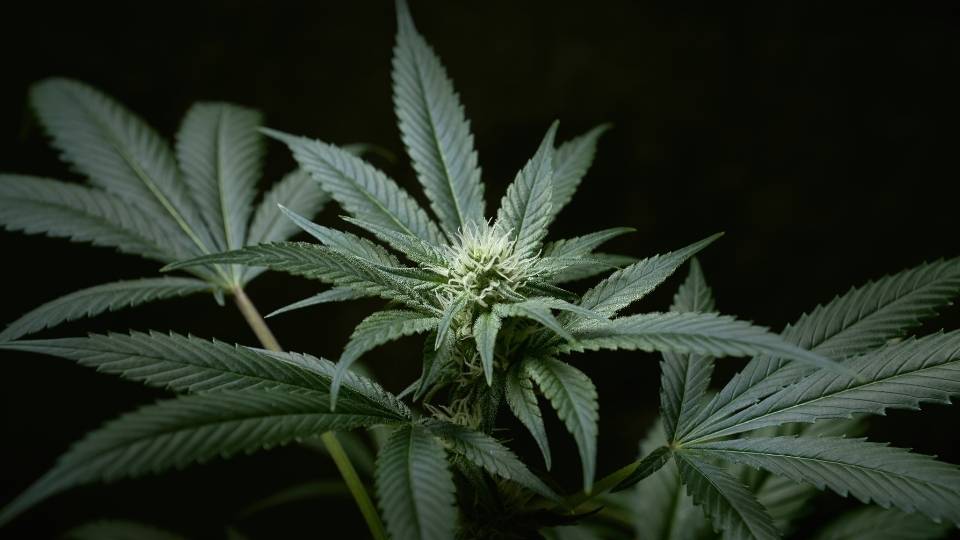
Cannabis remains one of the most widely used drugs globally. Cannabinoids can impair memory and increase the risk of triggering mental health issues in vulnerable users. Substance use is frequently associated with mental health disorders such as anxiety, depression, and psychosis. With regular use, marijuana and other cannabis drugs can contribute to dependence and harm a person’s well-being.
Prescription drugs, when misused, can be as harmful as other drugs obtained illegally. Cough suppressants found in certain over-the-counter products can be abused for psychoactive effects; DXM is one such example. These substances may be legally obtained but are sometimes diverted for non-medical use.
Inhalants produce mind-altering effects when breathed in, including products like glue, paint thinners, hair sprays, and nitrous oxide. The active ingredient in many inhalants can harm the brain and body immediately. Regular use of inhalants can lead to withdrawal symptoms, including irritability, anxiety, and drug craving.
In Canada, weed is legal for recreational and medicinal use at the federal level. However, it is still illegal and a criminal offense to take cannabis across Canadian borders without the express permission of Health Canada.
Key health consequences of drug abuse include:
- Damage to the heart, liver, kidneys, and brain from chronic substance use
- Increased risk of infectious diseases such as HIV and Hepatitis C from injecting drugs
- Mental health disorders, including anxiety, depression, and psychosis
- Fatal overdose, particularly with opioids and the combination use of depressants
Common signs that drug use has become a problem:
- Increasing tolerance requires a higher dose to feel the same effects
- Withdrawal symptoms such as anxiety, fatigue, sleep disturbance, or drug craving when not using
- Neglecting responsibilities, relationships, and personal well-being
- Continued use despite negative consequences to health and life
Resources like addiction education and addictive substance descriptions offer valuable information for those seeking to understand the root causes of substance use.
Drug Use Among Young People: Why Early Intervention Matters
Young people aged 15 to 24 are at increased risk of substance use and related harms, indicating that early use of drugs can lead to destructive personal and social consequences. Young people who use drugs may experience long-term effects, including substance use disorder. The use of drugs among youth can lead to risky behaviours, such as unsafe sex, which increases the risk of contracting sexually transmitted diseases.
Getting professional support through drug addiction treatment is one of the most effective ways to address the misuse of drugs. Learning about what happens when you check into rehab can reduce fear and encourage help-seeking behaviour.
Description of Illegal Drugs: Frequently Asked Questions
What Are the Most Common Examples of Illegal Drugs?
Common examples of illegal drugs include cocaine, crack, heroin, methamphetamine, ecstasy (MDMA), and LSD. Other examples of drugs encountered on the street include bath salts, angel dust, and synthetic opioids like illicit fentanyl. Cannabis laws vary by jurisdiction and may not be illegal in all regions. Each of these drugs carries distinct risks to the person using it, and many are highly addictive.
How Does Drug Use Affect Young People Differently?
Young people are especially vulnerable because their brains are still developing. Stimulant drugs, depressants, and hallucinogenic drugs can all cause lasting changes. Both stimulants and depressants carry long-term risks, and early intervention, along with support for loved ones, is essential for preventing harm from drugs.
Can Prescription Drugs Be as Dangerous as Street Drugs?
Yes. Prescribed medication, especially opioids, amphetamines for attention deficit hyperactivity disorder, and depressants like Valium, can be extremely dangerous when misused. Misusing prescribed tablets can lead to addiction, overdose, and death. Debunking myths about addiction is a good starting point for understanding these risks.