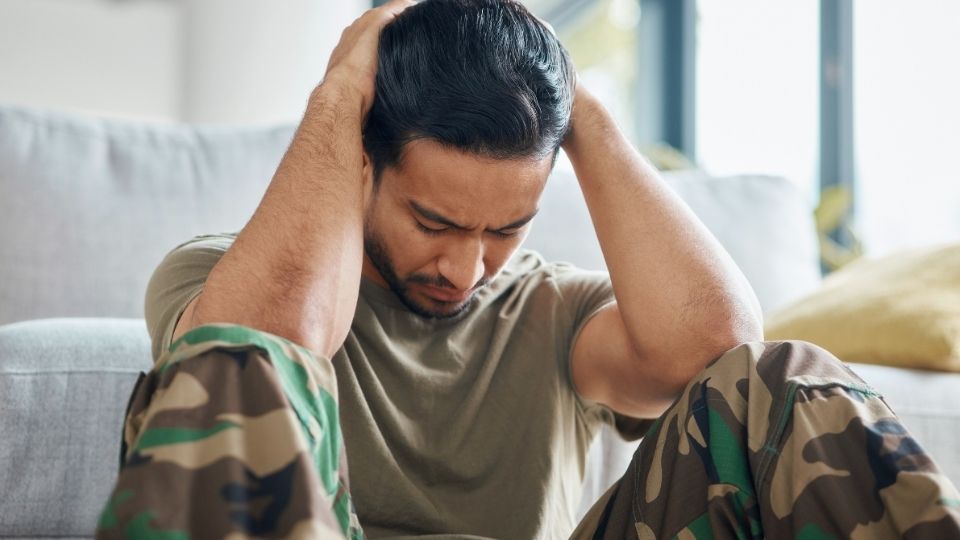


Waking up after a night of drinking and feeling like every part of your body is staging a quiet protest is a familiar experience for many adults. The throbbing headache, the dry mouth, the queasy stomach, and the regret of that last round all add up to one of the most universally dreaded mornings after. Yet while some people bounce back by lunchtime, others find themselves dragging through two or even three full days of misery. So how long do hangovers last, and why is the answer so different from person to person?
If your hangovers are becoming longer, more frequent, or harder to shake, it may be a sign worth taking seriously. Our team at Into Action Recovery offers compassionate alcohol addiction treatment in Canada for people who feel their drinking is starting to take a toll. In this guide, we walk through the science of hangovers, what shapes their length, and when it might be time to talk to someone.
How Long Do Hangovers Last for Most People?
Most hangovers last about 24 hours, peaking when blood alcohol concentration returns to zero. For many adults, the worst of the unpleasant symptoms fade within a day, although lingering fatigue can stretch into the next morning. Some people feel unwell for 48 hours or longer after heavy drinking or late nights with poor sleep, but symptoms lasting 48 to 72 hours may also signal alcohol withdrawal, dehydration, illness, or another medical issue.
The duration depends on many factors, including how much alcohol was consumed, the type of alcoholic beverages involved, sleep quality, hydration, age, and genetics. A young, healthy person who had one drink with dinner will likely feel fine the next morning. Someone who closed down the bar with darker colored drinks may face a multi-day recovery.
The Typical Hangover Timeline
A typical hangover timeline usually follows a predictable pattern, though the intensity varies. Hangover symptoms often begin several hours after the last drink as blood alcohol levels fall, peak when BAC returns to about zero, and can last up to 24 hours or longer depending on various factors.
| Hours Since Last Drink | What Is Happening | Typical Symptoms |
|---|---|---|
| 0 to 6 hours | The body processes alcohol and begins to clear it | Mild fatigue, flushing |
| 6 to 12 hours | Blood alcohol drops sharply | Headache, nausea, thirst |
| 12 to 18 hours | Hangover peaks | Worst muscle aches, dizziness, light sensitivity |
| 18 to 24 hours | Gradual recovery | Lingering tiredness, mild upset stomach |
| 24 to 72 hours | Lingering effects or possible withdrawal | Brain fog, low mood, anxiety, shakiness, or symptoms that should be assessed if severe or worsening |
Common Symptoms of a Hangover
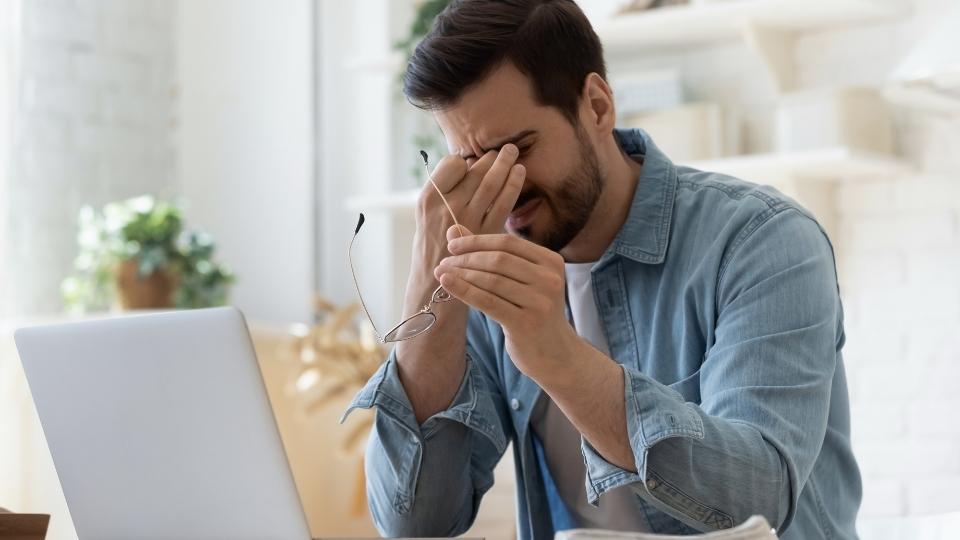
Symptoms of a hangover are rarely just a headache. Most people feel a mix of physical and mental complaints rolled into one rough morning. Common hangover symptoms include fatigue, weakness, thirst, headache, muscle aches, nausea, stomach pain, vertigo, sensitivity to light and sound, anxiety, irritability, sweating, and increased blood pressure.
The severity often depends on how much alcohol you consumed, what you drank, and how well your body could process alcohol, given your age, hydration, and overall health.
Physical Symptoms You May Notice
Physical symptoms tend to dominate the morning after drinking. Many people experience dry mouth, dizziness, sweating, and an upset stomach. Headaches are often described as a deep, throbbing headache that worsens with movement. Muscle aches and a general feeling of weakness can make even small tasks feel like a chore.
Other common complaints include nausea, mild tremors, dry mouth, and a racing heart. If you notice severe chest pain, confusion, or seizures, those go beyond a normal hangover and may point to alcohol poisoning or a serious withdrawal episode. Our guide on alcohol bloating and the digestive effects of drinking explains more about gut-related symptoms.
Mental and Emotional Hangover Symptoms
The mental side of an alcohol hangover can be just as draining as the physical symptoms. Many people report anxiety, irritability, low mood, and trouble focusing. People often call this “hangxiety,” an informal term for anxiety after drinking. Studies suggest that the inflammatory response triggered by alcohol can affect immune and brain activity, contributing to fatigue, brain fog, and emotional ups and downs.
Why Disrupted Sleep Makes Hangovers Worse
Alcohol can disrupt sleep patterns, particularly by shortening REM sleep. While you may fall asleep faster after drinking, your sleep quality drops sharply in the second half of the night. The result is groggy mornings, even after a full eight hours in bed.
This disrupted sleep is one reason hangovers feel so brutal. Lost REM sleep is linked to poor concentration, mood swings, and fatigue. Combine that with dehydration and inflammation, and the next day can feel like a slow crawl. Our blog on alcohol withdrawal symptoms and timeline explains how repeated nights of poor sleep can compound over time for heavy drinkers.
How Much Alcohol Triggers a Hangover?
There is no universal cutoff for how much alcohol it takes to cause a hangover. Some people get a mild headache after a single glass of red wine, while others can drink heavily and feel only minor effects the next day. Alcohol tolerance, weight, genetics, family history, and food intake all play a role in how the body processes alcohol.
That said, the more you drink alcohol, the higher the chance of a rough morning. Drinking on an empty stomach speeds up alcohol absorption, which often leads to a higher peak blood alcohol concentration and a worse hangover.
Binge Drinking and Severe Hangovers
Heavy binge drinking is defined as consuming 4 or more drinks for women or 5 or more drinks for men in about 2 hours, which spikes blood alcohol concentration rapidly. This pattern of excessive drinking is closely linked to severe hangovers. The faster alcohol enters your bloodstream, the more your liver, brain, and gut have to work to process alcohol.
If you find yourself regularly engaging in heavy drinking or binge episodes, it may be helpful to read our piece on whether it is alcoholism or just heavy drinking. Our article on how much drinking is too much is another helpful reflection point.
Why Low Blood Sugar Makes You Feel Worse
Alcohol consumption can lead to a decrease in blood glucose levels, which may contribute to symptoms like dizziness and irritability during a hangover. Low blood sugar can leave you feeling shaky, weak, and lightheaded the morning after. Drinking wine or other alcoholic drinks on an empty stomach can make this drop more dramatic.
Stabilizing Blood Sugar During Recovery
Small, gentle foods such as toast, crackers, bananas, oatmeal, or a little protein can help settle nausea and support blood sugar. Pairing carbs with a small amount of protein helps keep blood sugar steadier through the morning. A glass of fruit juice can also give a quick lift, although too much sugar at once can leave you crashing later.
The Immune System Response to Alcohol
Alcohol increases inflammation throughout the body. Alcohol and its byproducts can trigger an inflammatory immune response, including cytokine activity that contributes to aches, fatigue, foggy thinking, and low mood.
People who drink heavily or frequently may notice they catch infections more easily or take longer to recover. Our blog on how alcohol affects the kidneys explores additional long-term effects of regular alcohol use.
Hangover Physical Symptoms Explained
Each part of a hangover has a biological cause. The metabolism of alcohol produces acetaldehyde, a toxic byproduct that can cause symptoms such as nausea, sweating, and flushing when it accumulates in the body. Alcohol consumption leads to dehydration by blocking vasopressin, a hormone that helps the kidneys retain water, resulting in increased urine production and fluid loss.
Several biological substances contribute to the way you feel the morning after drinking. Alcohol irritates the stomach lining, the breakdown of ethyl alcohol produces toxic byproducts, and alcohol metabolism creates inflammation that affects brain activity. As people age, changes in body water, sleep quality, medications, liver function, and recovery capacity can make alcohol feel harder to process and prolong recovery.
The National Institute on Alcohol Abuse and Alcoholism notes that even moderate drinkers can experience significant hangover symptoms when sleep, food intake, or hydration are off. Health Canada and the Canadian Centre on Substance Use and Addiction both emphasize that consuming alcohol in larger amounts increases the risks of acute and long-term harm.
Does a Greasy Breakfast Help?
A greasy breakfast has long been a folk remedy for hangovers, but the science is mixed. Eating before drinking can slow alcohol absorption and lead to less severe hangovers. Once the alcohol is already in your system, however, a heavy fatty meal the next morning may sit poorly on a queasy stomach.
A more practical approach is something lighter that helps stabilize low blood sugar without overloading the gut. Eggs, toast, and a banana can be more soothing than a greasy plate of bacon, although personal preferences vary. The most important thing is to eat something and drink water steadily.
Should You Try Hair of the Dog?
The phrase “hair of the dog” refers to drinking more alcohol the next morning to mask hangover symptoms. While hair of the dog can temporarily blunt some discomfort, the strategy is not a real hangover cure. More alcohol simply delays the recovery process and can lead to worse hangovers later.
Reaching for the hair of the dog regularly can also be a warning sign. If morning drinking helps you function or relieve hangover symptoms, that pattern may signal a deeper issue worth discussing with a professional. Our inpatient rehabilitation programs provide a supportive environment for people who are ready to step away from this cycle.
Do Sports Drinks Help With Hangovers?
Sports drinks contain electrolytes like sodium and potassium, which can help replace what was lost through dehydration. For mild hangovers, sips of water, broth, or sports drinks may help you feel more functional. Coconut water and oral rehydration solutions used for stomach bugs are other options many people use as alcohol hangover treatments.
That said, sports drinks are not a magic fix. They will not undo the inflammation, the disrupted sleep, or the lingering effects of how much alcohol was in your system. They simply make the dehydration piece of the puzzle a little easier.
When a Hangover Becomes Alcohol Withdrawal
There is a difference between a regular alcohol hangover and alcohol withdrawal. Withdrawal happens when the body has become dependent on alcohol and reacts to its absence. Symptoms can include tremors, sweating, anxiety, rapid heartbeat, nausea, and in severe cases, seizures or hallucinations.
If your hangovers include shaking hands, intense anxiety, or a racing heart that improves only when you drink again, you may be dealing with withdrawal rather than a simple hangover. Our resource on why people who drink heavily develop tremors goes into more detail, and our guide to alcohol poisoning, signs, and when to call 911 covers acute medical emergencies. Seeking immediate medical care is necessary for symptoms indicating alcohol poisoning or severe withdrawal, such as confusion or severe heart palpitations.
Alcohol use disorder affects many Canadians, and seeking help earlier can reduce the risk of escalating health, relationship, and withdrawal problems.
When a Hangover May Signal a Drinking Problem
Occasional hangovers from a celebration are not unusual. Frequent multi-day recoveries, however, may point to a drinking problem worth examining. Some common red flags include:
- Hangovers that last 48 to 72 hours on a regular basis
- Needing less alcohol to feel ill or more alcohol to feel the same effects (changes in alcohol tolerance)
- Drinking in the morning to settle nerves or relieve unpleasant symptoms
- A family history of alcohol abuse or addiction
- Trouble cutting back on alcohol intake, even when you want to
- Episodes of blacking out or losing memory while drinking
Our team also encourages reading our blog on the seven signs of alcoholism and what to know about blackouts to help you reflect honestly on your habits. If you are not sure where you stand, talking with a doctor or counsellor can offer clarity.
Tips to Reduce Hangover Severity
While there is no guaranteed way to prevent a hangover other than not consuming alcohol, you can lower the odds of a rough morning with a few habits:
- Eat a balanced meal before drinking to slow alcohol absorption.
- Drink slowly and alternate alcoholic drinks with water.
- Choose clear liquors over darker liquors, since darker drinks contain more congeners.
- Avoid drinking on an empty stomach.
- Limit how many drinks you have in one sitting.
- Get a full night of sleep and avoid late-night drinking sessions.
Congeners are toxic chemical byproducts created during fermentation, and darker liquors typically contain more congeners than clear liquors, leading to worse hangovers. However, clear liquors can still cause severe hangovers if you drink too much. Choosing less alcohol overall, or skipping that final round, is one of the most reliable ways to reduce hangover severity.
If you are thinking about cutting back in the long term, our guide on how to quit drinking alcohol walks through helpful first steps.
When to Seek Medical Care
Most hangovers can be managed at home with rest, hydration, and time. Seeking medical attention becomes important when you notice confusion, vomiting that will not stop, slow or irregular breathing, severe heart palpitations, or seizures. NSAIDs can relieve headaches and muscle aches for some people, but they can irritate the stomach and increase bleeding risk, especially after alcohol. Acetaminophen should be avoided or used only with medical guidance after heavy drinking because of liver toxicity risk.
These steps can help reduce stomach irritation and support a more comfortable recovery, although they do not undo the cumulative effects of excessive alcohol intake.
How Long Do Hangovers Last: Frequently Asked Questions
How long do severe hangovers usually last?
Severe hangovers can last up to 48 hours or more, particularly following heavy drinking sessions combined with poor sleep. Symptoms that persist for 72 hours, worsen, or include shaking, confusion, chest pain, or hallucinations should be medically assessed. Hydration, balanced meals, cautious use of NSAIDs for muscle aches and throbbing headaches, and rest can help, but recovery takes as long as your body needs to reduce inflammation and recover.
Can drinking coffee cure a hangover?
Drinking coffee may help you feel more alert and reduce the dull edge of a headache, but it is not a hangover cure. Coffee can worsen anxiety, jitters, sleep disruption, or upset stomach symptoms for some people, so pair it with water and food. It is better used in small amounts rather than as a fix.
Is a long hangover a sign of a drinking problem?
A single rough morning is not unusual, but regularly experiencing long, severe hangovers may suggest your drinking pattern is putting heavy strain on your body. If you find yourself worried about your alcohol use or relying on more alcohol to feel normal, professional support is available and effective.
Final Thoughts on Hangover Recovery
Hangover recovery depends on many factors, including how much alcohol you drank, the type of alcoholic beverages involved, your age, your sleep, and your general health. Most hangovers will pass within a day, but some can stretch much longer. Listening to your body, staying hydrated, eating gentle foods, and resting all help.
If your hangovers are getting longer, more painful, or harder to ignore, that is meaningful information. You do not need to wait for a rock-bottom moment to ask for help. Reach out to Into Action Recovery to talk with our team about treatment options and the next step forward.