


How long Adderall lasts is one of the most common questions people have about this medication, and the answer depends largely on which formulation you take. Adderall IR and Adderall XR contain the same active mixed amphetamine salts but release them very differently. Dose, individual response, food, kidney function, and other factors can also affect the timeline.
Duration matters for more than convenience. The hours after Adderall wears off can matter as much as the hours it works. Knowing when Adderall wears off helps explain the crash or rebound symptoms that some people experience. For some, unpleasant symptoms as the medication wears off may create an urge to take an unscheduled dose, which can be an early sign of misuse. If Adderall use has already moved past a prescribed dose, a structured inpatient drug rehab program offers the medical supervision that stopping safely requires.
How Long Does Adderall Last? The Short Answer

Adderall IR lasts approximately 4 to 6 hours. Adderall XR commonly provides approximately 8 to 12 hours of symptom coverage, although some people experience a shorter or longer response. The duration of Adderall effects depends heavily on the formulation.
Those figures describe noticeable effects, not how long the drug remains in your body. In adults, the average elimination half-life is approximately 10 hours for dextroamphetamine and 13 hours for levoamphetamine. This means a single dose can linger well after the stimulant effects fade.
How Adderall Works in the Central Nervous System
Adderall contains mixed amphetamine salts and acts as a central nervous system stimulant. Once in the body, Adderall is thought to increase the availability of dopamine and norepinephrine in the brain, which can improve focus and reduce impulsivity and hyperactivity in people who take it to treat ADHD.
Because it acts on the central nervous system, Adderall can also raise heart rate and blood pressure. That effect is part of why licensed medical professionals monitor patients taking stimulant medications rather than simply renewing prescriptions indefinitely.
Adderall IR: How Long Does Immediate Release Adderall Last?
Adderall IR releases medication quickly, producing faster effects. Immediate release Adderall reaches peak blood concentrations approximately 3 hours after dosing, although noticeable effects may begin earlier. The effects generally last 4 to 6 hours from the first dose.
Because immediate release (IR) coverage is relatively short, some people require multiple doses for full-day coverage. A typical prescription may involve two or three doses spaced throughout the day, depending on the person’s needs and prescriber’s instructions.
Adderall Immediate Release Dosing Schedules
Multiple daily doses give prescribers flexibility, since the amount and timing can be adjusted throughout the day. The trade-off is that the shorter action of IR can produce more noticeable fluctuations, although properly timed doses may overlap rather than wearing off completely each time.
In Canada, Health Canada has authorized Adderall XR and generic extended-release mixed amphetamine salts rather than the immediate-release Adderall formulation sold in the United States. Adderall IR is available and prescribed in the United States.
Adderall XR Extended Release: How Long Does Adderall XR Last?
Adderall XR uses a dual-release mechanism for extended effects. It contains immediate-release and delayed-release beads that deliver the medication in two stages.
Extended-release Adderall was designed to solve the coverage problem. That extended-release mechanism allows a single morning dose to cover much of a school or work day. Adderall XR extended-release capsules commonly last about 8 to 12 hours, so most people taking XR do not need a second dose.
Adderall XR reaches its overall maximum blood concentration approximately 7 to 8 hours after dosing. This is different from saying that it has two clearly defined peak effects at specific times.
XR Onset and XR Duration Compared With IR
Adderall XR includes an immediate-release component, so effects may begin relatively soon after dosing while the delayed-release portion extends coverage later into the day. In an IR vs XR comparison, Adderall duration is substantially longer with XR.
XR may provide smoother coverage for some people, although the way either formulation wears off varies. Cost also varies by formulation, generic availability, pharmacy, and insurance or provincial coverage.
Adderall Effects Timeline by Dose
A higher dose generally changes intensity and total exposure more than duration. Higher doses of Adderall may feel stronger or last somewhat longer for some people, but useful coverage does not increase in direct proportion to dose.
| Formulation | Approximate Time to Peak Blood Concentration | Typical Duration of Effects |
|---|---|---|
| Adderall IR | About 3 hours | About 4 to 6 hours |
| Adderall XR | About 7 to 8 hours | About 8 to 12 hours |
Dose strength affects medication exposure and intensity, but there are no reliable duration ranges unique to every strength. Two people taking the same dose can report different results, so treat these ranges as typical rather than fixed.
How Long Does Adderall Last at 30 mg?
A 30 mg Adderall IR dose commonly lasts about 4 to 6 hours. It produces greater exposure than a lower dose and may feel stronger or last somewhat longer for some people, but it does not reliably add a specific number of hours.
A 30 mg Adderall XR dose uses the same extended-release mechanism as lower strengths and commonly provides about 8 to 12 hours of coverage. Higher doses should only be taken when prescribed, since greater exposure can increase cardiovascular, psychiatric, and other adverse effects.
What Affects How Long Adderall Lasts?
So how long does Adderall last for one specific person? Several factors influence how long Adderall stays active in the body. Metabolism and overall health affect how long Adderall lasts, along with a handful of everyday variables.
Metabolism, Body Weight, and Kidney Function
Body weight, age, kidney function, individual response, dose, and urinary pH can influence amphetamine exposure and clearance. Kidney function matters especially because Adderall’s amphetamine salts are largely eliminated in urine. Severe kidney impairment can significantly slow clearance.
Liver health and individual metabolic differences may also play a role, although people cannot reliably predict medication duration based on metabolism alone.
Food, Urine pH, and Acidic Foods
Food does not substantially change the total amount of Adderall XR absorbed, but a high-fat meal may delay its peak blood concentration by about 2.5 hours. High-fat meals generally shift the timeline rather than substantially reducing total exposure.
Urinary pH has a measurable effect on elimination. Acidifying agents can increase amphetamine excretion, while alkalinizing agents can slow it. However, ordinary acidic foods do not reliably control this effect, and people should not attempt to change how quickly Adderall leaves the body through foods or home remedies.
Higher Dose, Sleep, and Other Medications
A higher dose produces greater exposure and may remain above a drug test’s detection threshold longer, even though the elimination half-life does not necessarily increase.
Sleep deprivation can make the effects feel stronger and the comedown harder. Taking Adderall late in the day can compound this because the stimulant effects may delay sleep.
Other medications matter too. Proton pump inhibitors may make Adderall XR reach peak concentration earlier, while urinary alkalinizing agents can reduce amphetamine excretion. Some antidepressants and other medications can also cause clinically important interactions. Tell your prescriber and pharmacist about all medications and supplements you take.
When Adderall Wears Off: The Adderall Crash
Some people experience an Adderall crash or rebound as a dose wears off. Symptoms of the crash can include:
- Fatigue
- Low mood
- Difficulty concentrating
- Irritability
- Hunger
- Heavy sleepiness
- A return of ADHD symptoms
The crash may reflect falling medication levels, the return of ADHD symptoms, sleep or appetite disruption, or withdrawal after prolonged high-dose use.
Because XR releases medication over a longer period, some people experience a smoother decline than with IR. However, either formulation can produce rebound symptoms, and immediate release Adderall does not always cause a more severe crash.
Higher-than-prescribed doses and prolonged use can increase the likelihood or severity of crash and withdrawal symptoms. Larger amounts can also raise heart rate and blood pressure during the hours before the medication wears off.
Why the Crash Matters
Low mood and fatigue may prompt some people to take an unscheduled dose. Repeatedly taking extra or unscheduled doses without a prescriber’s direction is a warning sign of stimulant misuse. Anyone who has read about a stimulant comedown will recognize the general pattern, although a prescribed dose typically produces a much milder experience than heavy stimulant misuse.
How Long Does Adderall Stay in Your System?
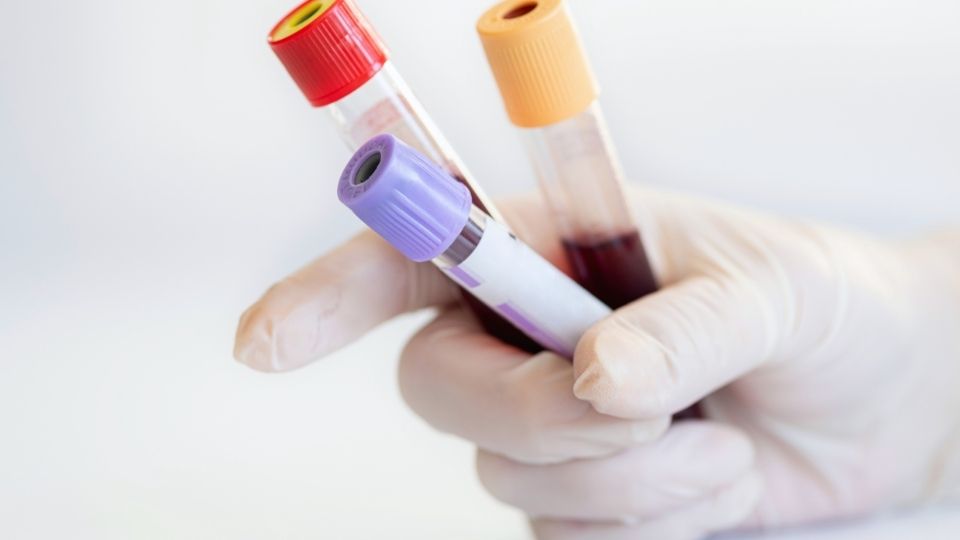
Most of a single Adderall dose is eliminated over roughly 2 to 3 days, well beyond the point where its effects are noticeable. However, amphetamine may remain detectable for longer depending on the test, dose, frequency of use, kidney function, and other factors.
How Long Does Adderall Last Versus How Long It Stays Detectable?
Those are two different questions. Effects fade in hours, while the drug clears over days. The gap comes down to the half-life. With elimination half-lives of approximately 10 and 13 hours for the two amphetamine isomers, most of a single dose is eliminated within a few days.
A higher dose creates a higher starting concentration and may remain detectable longer, even though the medication’s half-life does not necessarily change.
Drug Test Detection Windows
Each drug test measures a different window, so detection times vary considerably:
- Urine: commonly detectable for approximately 1 to 4 days and sometimes up to 7 days, depending on the test and pattern of use
- Blood and saliva: generally detect more recent use, often for about 1 to 2 days, although laboratory methods vary
- Hair: a standard sample may reflect approximately 90 days of exposure, but it cannot reliably determine the exact date or amount used
Detection windows vary by test type and individual factors, including dose, frequency, hydration, kidney function, urinary pH, and the laboratory cutoff.
A drug test result also does not distinguish misuse from legitimate use, which is why anyone with a valid prescription should disclose it before testing.
Adderall Use, Misuse, and Adderall Addiction
Most people who take Adderall as prescribed for ADHD symptoms do not develop an addiction. Adderall misuse begins when the medication is intentionally taken differently from the prescription, such as using a higher dose, taking it more often, or using someone else’s medication.
Physical dependence can develop with regular use over an extended period. Physical dependence is not the same as addiction and does not necessarily lead to it.
Adderall addiction involves a broader pattern of compulsive or uncontrolled use despite consequences. It can develop in people with or without attention deficit hyperactivity disorder.
Signs of Stimulant Misuse
Patterns worth paying attention to include:
- Running out of a prescription before the refill date
- Crushing or snorting tablets or capsules
- Taking Adderall without a prescription
- Taking extra doses to study, work longer, lose weight, or feel euphoric
- Using it alongside alcohol or other substances
- Feeling unable to function without Adderall, particularly when paired with cravings, dose escalation, or continued use despite harm
These patterns build slowly. Our overview of the stages of addiction traces how that progression usually unfolds.
Withdrawal Symptoms and Getting Support
Stopping after heavy or prolonged Adderall use can produce withdrawal symptoms rather than a simple crash. Fatigue, low mood, sleep disruption, increased appetite, vivid dreams, slowed movement, and intense cravings are among the most common symptoms. They can last days to weeks, depending on how much and how long someone was taking Adderall.
Stimulant withdrawal is not usually medically life threatening, but severe depression, suicidal thinking, agitation, or psychosis can make professional monitoring essential.
Medical guidance can help determine whether gradual outpatient dose reduction, supportive withdrawal care, or a more intensive detox setting is appropriate. The pattern is similar to Vyvanse withdrawal, and much like how long other prescriptions stay in your system, individual factors change the timeline.
How Treatment Works for Stimulant Addiction
There is currently no medication specifically approved in Canada for stimulant use disorder, although clinicians may consider selected medications off-label in some cases.
Contingency management has some of the strongest evidence and is considered a leading treatment for stimulant use disorder. Cognitive behavioural therapy, motivational approaches, relapse prevention, and skills like urge surfing may also help people manage withdrawal symptoms and cravings without returning to use.
Adderall addiction treatment begins with an individualized assessment. Some patients may reduce a prescription gradually, while others stop with medical monitoring and supportive care. Behavioural treatment addresses the stimulant use disorder itself, along with the mental health, environmental, or emotional factors contributing to use.
Substance abuse rarely resolves through willpower alone. For severe or escalating substance use, an assessment can determine whether outpatient care, intensive outpatient treatment, or a residential treatment program provides the right level of structure. Knowing what to expect on arrival can make the first step easier.
FAQs About How Long Adderall Lasts
How Long Does Adderall XR Last Compared With IR?
Adderall XR commonly provides about 8 to 12 hours of coverage from one morning dose, while Adderall IR commonly lasts about 4 to 6 hours per dose. In an IR vs XR comparison, XR usually covers a substantially longer portion of the day with one dose.
How Long Does Adderall Last at a Higher Dose?
A higher dose generally increases exposure and intensity more than it extends useful coverage. It may feel longer for some people, but duration does not increase in direct proportion to dose. Taking more than prescribed can sharply increase cardiovascular, psychiatric, and overdose risks without producing a proportional increase in useful coverage.
How Long Does Adderall Stay in Urine?
Adderall is commonly detectable in urine for about 1 to 4 days and may remain detectable for up to 7 days, depending on dose, frequency, urinary pH, kidney function, and the test used. Urinary pH affects amphetamine elimination, but detection cannot be reliably predicted or safely manipulated with foods or home remedies.
Getting Help in Canada
Understanding how long Adderall lasts is useful for managing a prescription, and it is also useful for recognizing when a pattern has changed. Needing more than prescribed, taking unscheduled doses, experiencing cravings, or feeling unable to control use are reasons to speak with a healthcare professional.
If Adderall use has become hard to manage for you or someone you care about, speak with your doctor or contact an addiction treatment centre experienced with prescription stimulants. A professional assessment can determine whether outpatient care, intensive treatment, or residential support is appropriate.