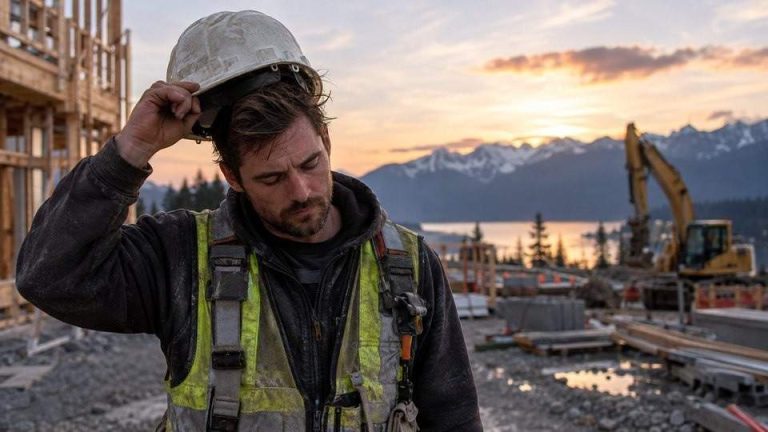

The male loneliness epidemic is a term used to draw attention to men who feel cut off from friends, family, and community. Many men have people around them but no one they can really talk to. Over time, that gap can wear down mood, health, and sense of purpose.
At Into Action Recovery, we often meet men who spent years feeling alone before drinking or drug use took hold. When isolation and substance use go together, men’s residential addiction treatment in BC can offer addiction support while a qualified clinician assesses and treats mental health symptoms. Below, you will find what the research says, why men become isolated, and what helps.
What Is the Male Loneliness Epidemic?

Loneliness is the painful gap between the connection you want and the connection you have. Social isolation is different, because it means having few contacts at all. A man can be socially isolated and feel fine, or he can be married with a busy job and still feel lonely. For some men, isolating from others can also be a sign of addiction.
Health leaders now see loneliness as a public health problem, and that is how the phrase “loneliness epidemic” caught on. Around the world, about 1 in 6 people are lonely, according to the World Health Organization [1]. The male loneliness epidemic is one part of this general loneliness epidemic. It deals with how men lose friends and how they keep them.
How Common Is Loneliness Among Canadian Men?
In Canada, the picture is more mixed than the word epidemic implies. A 2021 Statistics Canada survey found that 11 percent of men were always or often lonely, compared with 15 percent of women [2]. Young men reported the highest loneliness rates among men, at 18 percent for ages 15 to 24.
Support is another way to look at it. In a 2025 survey of 2,000 Canadian men, about one in two screened as being at risk of social isolation [3]. That points to a problem with the depth of men’s connections, not only how lonely they say they feel. It is one of the quieter issues in the mental health of Canadian men.
Gender Differences in How Men Experience Loneliness

Men and women can both experience loneliness, and friendship and support patterns vary widely. Some men rely heavily on a romantic partner for emotional support, leaving them vulnerable if that relationship changes. Surveys about loneliness do not, on their own, establish why people build different support networks.
That pattern leaves many men exposed. When a marriage or romantic relationship ends, a man may lose his main source of support overnight. Relationship status matters for this reason, since single men and divorced men often have fewer people to call. Some men also rely on their partners to plan time with family and friends.
Why Men Report Feelings of Loneliness Less Often
Many men find it hard to admit to feeling lonely. From boyhood, boys often hear that they should be tough and self-reliant, while girls are more often encouraged to share feelings. As a result, a man may describe himself as bored, busy, or stressed when he is really lonely.
Social expectations may influence how people describe loneliness, but the survey does not establish that men systematically underreport it. Over time, the habit of hiding feelings can turn into the pattern seen in emotionally unavailable men.
What Causes Male Loneliness?
There is no single cause, since male loneliness usually builds from several life changes and habits at once. These are some of the most common causes:
- Moving for work, which can leave old friends behind
- Long hours, shift work, or remote jobs with little contact
- Divorce, a breakup, or the death of a partner
- Retirement, which removes daily contact with co-workers
- Becoming a father and losing time for friends
- Heavy screen time in place of face-to-face contact
Adult friendships often form through school, sports, or work, and many men bond by doing things side by side. Once those settings fade, many men do not know how to make new friends. Older men are at extra risk after retirement, and young people can feel cut off despite being online all day. For some men in their forties and fifties, these changes arrive with a midlife crisis.
Society, Money and Pressure to Provide
Society still expects many men to act as protector and provider. When work, money, or financial security slips, some men pull away from others out of shame. Others feel they have nothing to offer in a friendship.
Some online voices blame women or society for male loneliness. That message can deepen a man’s anger and sense of being alone. Real connections usually come from showing up for other men and letting them show up for you.
How Loneliness Affects Men’s Health
A 2023 US Surgeon General advisory compared the mortality risk associated with a lack of social connection with smoking up to 15 cigarettes a day [4]. This is a population-level comparison, not a literal daily dose of harm. The advisory also reports associations with 29 percent higher heart disease risk and 32 percent higher stroke risk; these are relative risks, not percentage-point increases.
Loneliness also affects mental health. WHO reports that lonely people are twice as likely to become depressed as people who feel connected. Some men experience withdrawal or irritability, while sadness is also common. These are common signs of depression in men. The table below shows how loneliness can affect a man’s body and mind.
| Area | Possible Effects |
|---|---|
| Mental health | Higher risk of depression, anxiety and suicidal thoughts |
| Heart | Higher risk of heart disease and stroke |
| Sleep | Poor sleep and waking up tired |
| Habits | More drinking, drug use or screen time |
| Life span | Higher risk of early death |
Loneliness, Drinking and Suicide
Some men drink to fill the empty hours. At first, a few beers can make an evening feel easier. Over time, though, drinking alone tends to deepen a low mood and cut a man off even further.
Loneliness is also a risk factor for suicide, and men in Canada die by suicide far more often than women. If you have thoughts of suicide, call or text 988 at any time. In an emergency, call 911.
Signs a Man May Be Feeling Lonely
Loneliness can be hard to spot, especially in men who stay busy. Watch for these signs in yourself or someone close to you:
- No one to call when something goes wrong
- Spending most free time alone or online
- Turning down plans, then feeling worse
- Drinking more, often alone
- Feeling flat or numb in a crowd
- Feeling unseen even with family around
Some men become so used to being alone that they stop noticing it. That flat state can slide into emotional numbness, where nothing feels very good or very bad.
How Men Can Build Real Connections
Meaningful relationships rarely happen by accident in adult life, because they usually grow from regular contact over time. Start small and aim for steady contact rather than one big change. These steps help many men build deep connections:
- Join something that meets every week, such as a sports league, a men’s group, or a volunteer crew.
- Reach out to one old friend this week, even with a short text.
- Say yes to invitations, even when you feel like staying home.
- Share one honest thing with a friend you trust.
- Cut back on alcohol, which can replace real connection.
Opening up and being emotionally vulnerable can feel risky for many men. Still, close friendships often grow from the moment one man admits he is struggling. If loneliness comes with depression, anxiety, or other mental health issues, a mental health professional can help too.
Frequently Asked Questions About the Male Loneliness Epidemic
What Age Are Men Most Lonely?
In the cited 2021 Canadian survey, young men reported the highest rates among men. A 2021 Statistics Canada survey found that 18 percent of men aged 15 to 24 were always or often lonely. Older men face a different risk, since retirement, divorce, or losing a partner can shrink their circle. Loneliness can affect men at any age.
Is There a Female Loneliness Epidemic?
Women also experience substantial loneliness. In the 2021 Canadian survey, women reported frequent loneliness more often than men. That does not mean every woman has strong support or every man lacks it. Social circumstances, relationship changes, and access to meaningful connection matter for people of all genders.
Is Loneliness a Symptom of Depression?
Loneliness is not a diagnosis, but it often goes along with depression. Feeling alone can raise the risk of depression, and depression can make a man pull away from others. If loneliness comes with low mood, poor sleep, or loss of interest for more than two weeks, talk to a doctor.
What Do You Do When You Have No One to Talk To?
Start with one small step, such as texting an old friend or joining a weekly group. You can also call or text 988 if you are in crisis, or talk to a doctor or counsellor. Peer support groups give men a place to talk with others who understand.
Getting Help When You Feel Alone
Loneliness can feel permanent, but you can rebuild your connections step by step. A family doctor or counsellor is a good place to start. Sometimes drinking or drug use fills the space where friends used to be. In that case, the men-only residential program at Into Action Recovery can help.
Sources
- World Health Organization. “Social Connection Linked to Improved Health and Reduced Risk of Early Death.” News release, June 30, 2025. https://www.who.int/news/item/30-06-2025-social-connection-linked-to-improved-heath-and-reduced-risk-of-early-death
- Statistics Canada. “Canadian Social Survey: Loneliness in Canada.” The Daily, November 24, 2021. https://www150.statcan.gc.ca/n1/daily-quotidien/211124/dq211124e-eng.htm
- Canadian Men’s Health Foundation. “2025 Men’s Mental Health Research.” 2025. https://menshealthfoundation.ca/research/2025-mens-mental-health-research/
- Office of the U.S. Surgeon General. “Our Epidemic of Loneliness and Isolation: The U.S. Surgeon General’s Advisory on the Healing Effects of Social Connection and Community.” 2023. https://www.hhs.gov/sites/default/files/surgeon-general-social-connection-advisory.pdf