PTSD symptoms in men can show up as anger, poor sleep, jumpiness, and pulling away, rather than as talk about fear. A man may replay a bad call or a crash in his head and snap at the people closest to him. These changes last more than a month and get in the way of daily life.
At Into Action Recovery, we often meet men who used alcohol to quiet these symptoms for years. If that sounds like you, a men’s recovery program in BC is one place to get support.
What Is Post-Traumatic Stress Disorder?

Post-traumatic stress disorder (PTSD) is a mental health condition. It can start after a traumatic event, such as a car crash, combat, a sexual assault, or a serious injury. A fire, a flood, or other natural disasters can also set it off.
In Canada’s 2023 survey, almost 65 percent of adults reported at least one potentially traumatic event. About 8 percent had moderate to severe PTSD symptoms on a screening measure, including about 7 percent of men and 10 percent of women [1]. About 6 percent reported a current professional diagnosis; screening results are not diagnoses.
Women are more likely to develop PTSD, but it is still one of the big problems in men’s mental health. PTSD-like symptoms right after trauma are normal, and not all people develop PTSD.
With PTSD, though, the symptoms stay. They usually start within 3 months, but they can also show up years later.
The Four Main Groups of PTSD Symptoms
For adults, the DSM-5-TR groups PTSD symptoms into four clusters. Diagnosis requires symptoms lasting more than one month [2]: at least one intrusion symptom, one avoidance symptom, two changes in mood or thinking, and two arousal or reactivity symptoms. A clinician also assesses the qualifying trauma exposure and other possible explanations.
The symptoms must cause significant distress or interfere with daily life and cannot be explained by medication, substance use, or another illness. PTSD can include recurring trauma responses, but it involves more than a stress reaction that simply never switched off.
Intrusive Memories
Intrusive memories are memories of the event that push in when you do not want them. They can come as flashbacks, where it feels like the event is happening again, or as nightmares. Many men also have physical reactions, such as a racing heart or sweating.
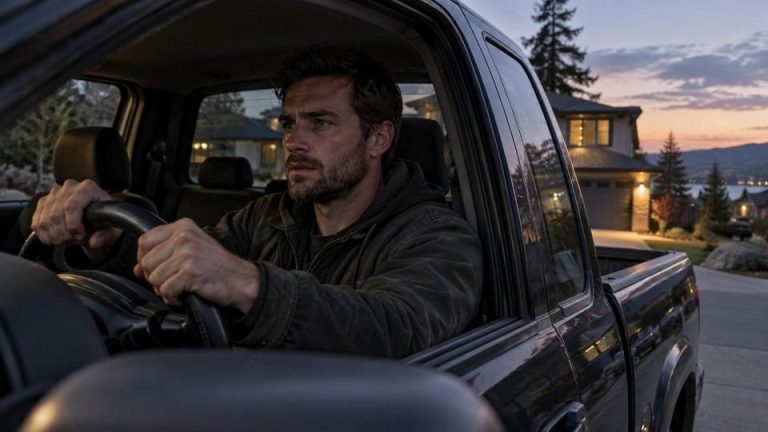
Triggers are often small and ordinary. A siren or the smell of smoke can trigger symptoms in a man who was in a car accident or a fire. These distressing memories can hit at work, in the truck, or at the dinner table.
Mood Symptoms and Negative Thoughts
PTSD changes how a man sees himself and the world. He may carry ongoing negative emotions, such as intense fear, guilt, shame or blame. Negative thoughts are common too, like “I should have stopped it” or “No one can be trusted.”
Many men also feel cut off from family and friends. They may have trouble feeling positive emotions, such as love or joy, which can look like emotional numbness.
Avoidance Symptoms
Avoidance symptoms are ways of staying away from reminders. A man may avoid a stretch of highway, a certain type of call or anyone who wants to talk about what happened. He may also change his routine, such as working long hours so there is no quiet time to think.
Avoidance can feel like it helps for a while. Over time, though, it can shrink a man’s life as he cuts out more places and people. Some men also use alcohol or drugs to push away traumatic memories, which adds a second problem.
Arousal and Reactivity Symptoms
Arousal and reactivity symptoms keep the body on high alert. A man may be easily startled, feel on edge, or have difficulty concentrating. Sleep can suffer too, and some men get angry fast or take risks, such as driving too fast.
That constant tension can overlap with the way anxiety shows up in men. PTSD requires a particular pattern of symptoms linked to trauma exposure. Other anxiety disorders can also follow stressful or traumatic events, so the trigger alone does not distinguish them.
What PTSD Looks Like Day to Day
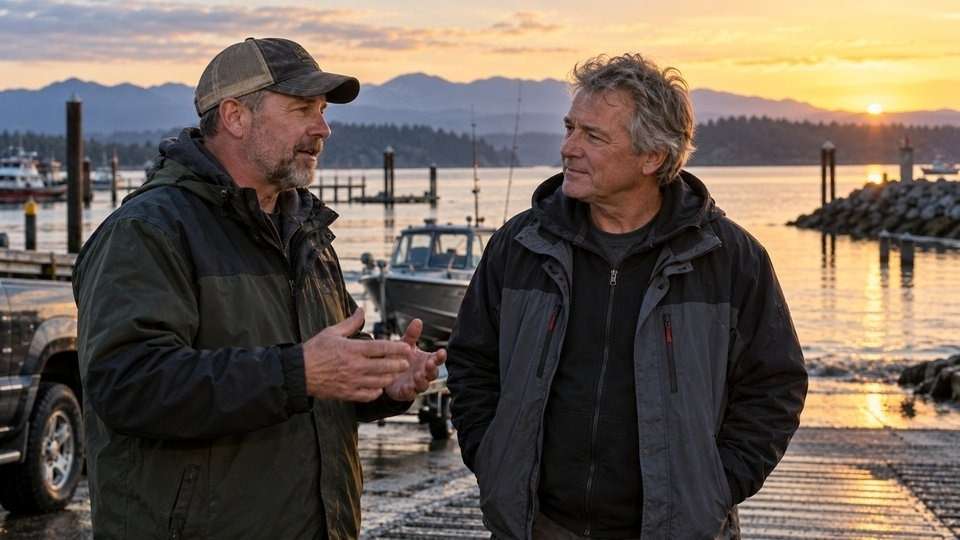
Some men with PTSD do not describe themselves as scared. Instead, people around them see a short temper, poor sleep, and a man who has stopped going out.
| Symptom Group | What It Can Look Like |
|---|---|
| Intrusive memories | Replaying the event at work, nightmares, physical symptoms like sweating |
| Mood and thinking | Guilt, blame, feeling emotionally numb, losing interest in friends |
| Avoidance | Skipping the road where it happened, long work hours |
| Arousal and reactivity | Sleep disturbances, jumpy at loud noises, angry outbursts |
At home, PTSD often shows up as irritability. A man may yell over small things and then feel guilty. This kind of anger can look like an explosive anger disorder, so the trauma behind it gets missed.
Who Is Most at Risk?
Anyone can develop PTSD after potentially traumatic events, but some men face more risk. These are common risk factors:
- Past trauma, especially childhood abuse or sexual violence
- Physical harm, or seeing others hurt or killed
- Repeated trauma, such as on the job
- Feeling extreme fear or helplessness during the event
- Little social support or ongoing stress after the event
- A family history of mental illness or substance use
- Younger age: in the 2023 Canadian survey, moderate to severe PTSD screening symptoms were most common at ages 18 to 24
First Responders and Trades
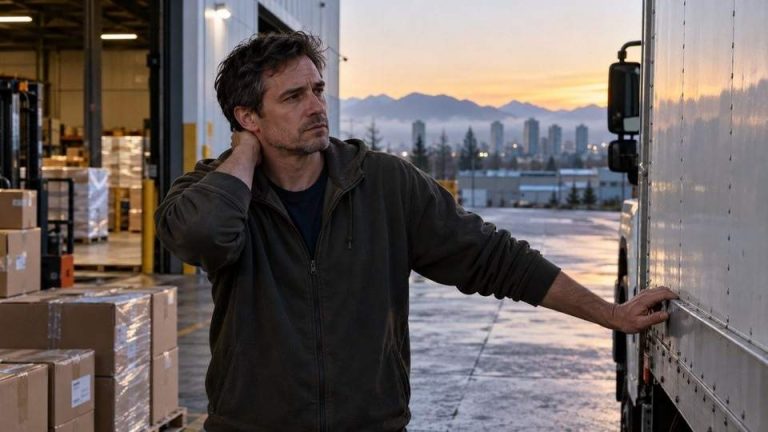
Police, fire crews, paramedics, and dispatchers may face repeated trauma at work. In a voluntary 2016 to 2017 survey of 5,813 Canadian public safety personnel, 23.2 percent screened positive for PTSD [3]. This was not a representative national sample, and screening did not confirm clinical diagnoses.
BC’s mental health presumption can help eligible workers establish that certain diagnosed mental disorders are work-related. The list expanded by 11 occupations in June 2024 [4]. Eligibility and other claim requirements still apply; the presumption does not cover every worker or every mental health condition.
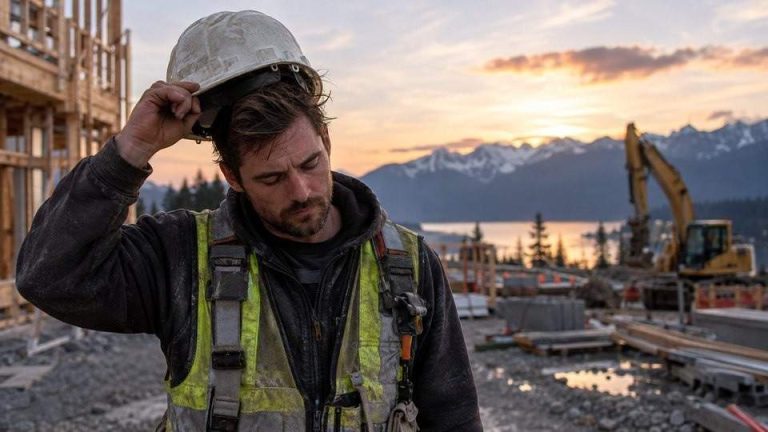
Men in the trades face risk too, from falls, crush injuries, or seeing a coworker with a severe injury. From 2012 to 2022, PTSD made up nearly half of Canadian mental health claims that led to time off work [1].
Veterans
Military service is one possible source of trauma. In March 2022, 33,648 Veterans Affairs Canada disability-benefit recipients had a PTSD diagnosis [5], about 70 percent of those receiving benefits for a psychiatric condition. These administrative figures are not a prevalence estimate for all Canadian veterans.
PTSD can show up years later, so some men only notice symptoms once they are out of uniform. By then, anger and difficulty falling asleep may feel normal to them.
PTSD and Drinking
Depression, anxiety disorders, and substance abuse often come with PTSD. Some men drink to sleep, to calm their nerves, or to stop the memories. If you are using alcohol to cope, read more on whether you are self-medicating PTSD.
Alcohol may briefly ease distress, but NIMH advises people with PTSD to avoid alcohol and drugs. If you may be dependent on alcohol, get medical advice before stopping or cutting down sharply because withdrawal can be dangerous.
When to Get Help for PTSD Symptoms
Get help if symptoms last more than a month or make it hard to work, sleep, or be at home. A family doctor or other health care providers can point you to mental health services, and severe symptoms should not wait.
PTSD treatment can include psychotherapy focused on traumatic memories and their meanings, medication, or both [2]. Approaches can include exposure therapy and cognitive restructuring. Support groups, exercise, and regular sleep may complement treatment, but should not replace an assessment and care plan.
Do not wait it out alone if you feel close to a breaking point. If you have suicidal thoughts, call or text 988 at any time, or call 911 in an emergency.
Frequently Asked Questions About PTSD Symptoms in Men
How Can You Tell if a Man Has PTSD?
A man with PTSD has often changed since a traumatic event. He may be jumpy, angry, or drinking more, and he may pull away from family or have trouble concentrating. Only a doctor or other mental health provider can diagnose PTSD.
How Does a Man With PTSD Behave?
A man with PTSD may seem on edge, short-tempered, or distant. He may avoid talking about the event or stay busy to keep memories away. Some men become easily startled or take risks, while others pull back from family and lose interest in things they once enjoyed.
What Are 5 of the Main Symptoms of PTSD?
Five common symptoms are flashbacks, nightmares, avoiding reminders, feeling on edge, and ongoing guilt or blame. Many men also have trouble sleeping or angry outbursts. The signs vary from man to man, and not every man has all of them, so a doctor checks the whole picture.
What Should You Do When Someone With PTSD Pushes You Away?
Try not to take it personally, because pulling away is often part of PTSD. Offer emotional support in small, steady ways and let him know you are there. Look after your own needs too, and if you are worried about his safety, call or text 988 at any time.
Getting Help for PTSD Symptoms
PTSD symptoms can wear a man down, but they can get better with the right support. A family doctor or counsellor is a good first step. If drinking or drug use is part of the picture, the men-only residential program at Into Action Recovery can help.
Sources
- Public Health Agency of Canada. “About Trauma and Post-Traumatic Stress Disorder (PTSD).” Modified August 20, 2026. https://www.canada.ca/en/public-health/topics/mental-health-wellness/post-traumatic-stress-disorder/about-ptsd.html
- National Institute of Mental Health. “Post-Traumatic Stress Disorder.” NIH Publication No. 23-MH-8124, revised 2023. https://www.nimh.nih.gov/health/publications/post-traumatic-stress-disorder-ptsd
- Carleton RN, Afifi TO, Turner S, et al. “Mental Disorder Symptoms among Public Safety Personnel in Canada.” Canadian Journal of Psychiatry 63, no. 1 (2018): 54-64. https://pmc.ncbi.nlm.nih.gov/articles/PMC5788123
- WorkSafeBC. “Mental Health Presumption Extended to 11 New Occupations.” June 10, 2024. https://www.worksafebc.com/en/about-us/news-events/announcements/2024/June/mental-health-presumption-extended-to-11-new-occupations
- Veterans Affairs Canada. “Facts and Figures: 9.0 Mental Health.” Data as of March 31, 2022 (page modified February 24, 2026). https://veterans.gc.ca/en/about-vac/news-media/facts-figures/9-0