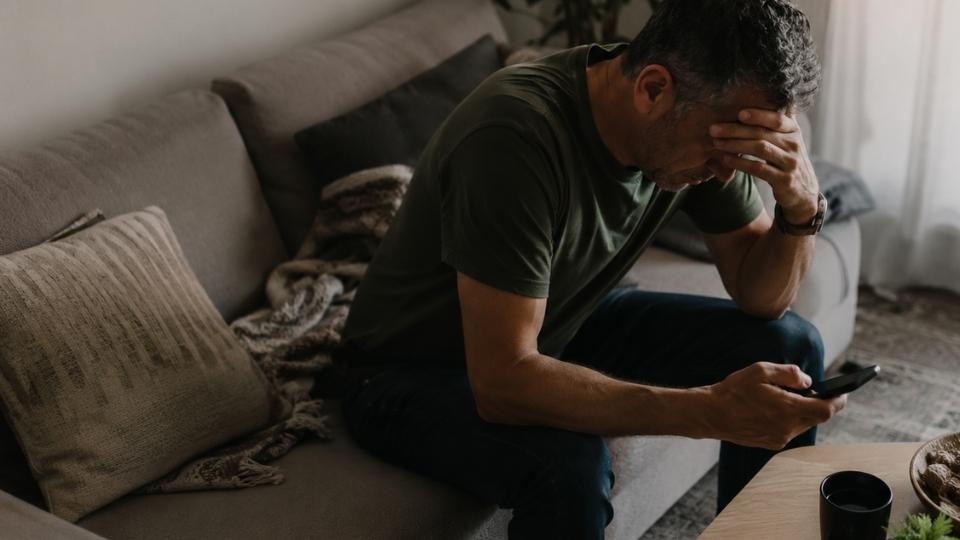
Ativan addiction has become a concern in Canada because this medication is prescribed for severe anxiety symptoms, panic-related distress, and certain acute medical situations, though it is not generally recommended for everyday stress. While Ativan (lorazepam) can offer short-term relief, it carries real addiction risks when used outside of medical guidance. Anyone struggling should know that professional inpatient treatment for benzodiazepine addiction can make recovery safer. Stopping abruptly can lead to dangerous, even life-threatening complications. Stopping abruptly can lead to dangerous, even life-threatening complications.
This article looks at how Ativan addiction develops, what the signs of Ativan misuse look like, why quitting cold turkey is so risky, and what treatment options exist.
Understanding Ativan Use and How It Works

Ativan is a commonly prescribed medication in the benzodiazepine class, used primarily for the short-term relief of severe anxiety symptoms, anxiety before surgery, and, in injectable form, certain seizure emergencies. It may also be used in some cases for short-term sleep-related symptoms under medical direction. It works quickly, which is part of what makes Ativan use feel so effective, and also part of what makes it habit-forming.
Health Canada classifies lorazepam-containing products as targeted substances under Schedule IV of the Controlled Drugs and Substances Act, reflecting their potential for dependence even when taken under prescription. Many people first encounter drug descriptions of common psychiatric medications when researching it.
What Is Ativan Lorazepam?
Ativan, lorazepam, is a prescription benzodiazepine used mainly for short-term relief of severe anxiety symptoms and, in some cases, sleep-related symptoms under medical supervision. Even when taking Ativan exactly as prescribed, dependence can develop within a few weeks. Ativan lorazepam is meant for short-term use due to its potential for dependence.
How Ativan Works in the Brain
Ativan works by enhancing the activity of GABA, one of the main brain chemicals that calms electrical signaling in the brain. By boosting GABA, the central nervous system slows down, producing sedative effects, easing muscle tension, and reducing anxiety. Over time, the central nervous system adapts to the presence of the drug, which is how a person develops tolerance.
How Ativan Addiction Develops
Ativan addiction is rarely intentional. Many people begin using Ativan under the care of medical professionals for legitimate medical reasons. As tolerance grows, however, they may need higher doses to feel the same effect, and that escalation is where Ativan addiction often begins. Resources such as stages of addiction explain how this progression unfolds.
Ativan Dependence and Tolerance
Physical dependence on Ativan can develop after only a few weeks of daily use, especially at higher doses. Ativan dependence means the body has adjusted to the medication and now requires it to feel normal. Psychological dependence, where a person feels emotionally reliant on the drug, can develop alongside physical dependence and may take longer to resolve for some people.
This is one reason tips for getting off anti-anxiety medication emphasize working with a clinician rather than stopping on your own. : This kind of physical dependence on a prescription medication is not unique to benzodiazepines, and people stopping stimulants face their own version of it, as outlined in our guide to Vyvanse withdrawal.
From Ativan Use to Ativan Misuse
There is a meaningful line between Ativan use and misuse. Ativan misuse can include using the drug more often than prescribed, taking higher doses, using it without a prescription, or combining it with alcohol or other drugs. Some people slide from regular Ativan use into misuse without realizing it, which is why awareness of patterns matters.
A growing preoccupation with the drug, needing higher doses to achieve the same effect, and experiencing mood swings are common indicators of Ativan misuse.
Recognizing the Signs of Ativan Misuse

Spotting the signs of Ativan misuse early can prevent a worsening cycle of dependence. Both physical and behavioural changes are common, and friends or family often notice them before the person does. Information on the stigma of labels in recovery reminds us to approach these conversations with care rather than judgment.
Physical Signs of Ativan Misuse
Signs of Ativan misuse often start small and become more obvious as tolerance grows. Common physical signs of Ativan include:
- Extreme drowsiness, fatigue, or persistent sedation
- Slurred speech and noticeably impaired coordination
- Confusion, memory lapses, or cognitive impairment
- Subtle mood swings and emotional flattening
- Withdrawal symptoms when missing a dose
These signs of Ativan misuse can intensify quickly when higher doses are taken or when Ativan is combined with other drugs. Slurred speech often becomes one of the most obvious outward indicators that something is wrong.
Behavioral Signs and Behavioral Symptoms
Behavioral signs of Ativan addiction may involve withdrawal from social activities, changes in friend groups, and secretive behavior regarding drug use. Behavioral symptoms also include preoccupation with the next dose, neglecting responsibilities, and using the drug to cope with everyday stress.
Other warning signs can include doctor shopping, seeking early refills, asking for multiple prescriptions from multiple doctors, or, in more severe cases, forging prescriptions to get more Ativan. These warning signs often coincide with growing social withdrawal and risky behaviors that can lead to harmful consequences.
Common Patterns of Ativan Abuse
Ativan abuse can take many forms, and it does not always look like stereotypical drug use. Some patterns develop quietly when the person is otherwise functioning at work or at home. People struggling can find relevant insights in expert tips to stop using benzodiazepines.
Doctor Shopping and Pill Seeking
Pill seeking can involve visiting several pharmacies or asking for repeat refills of the same medication. People abusing Ativan may also combine it with alcohol or opioids, a pattern referred to as polysubstance abuse. Combining Ativan with other depressants greatly increases the chance of serious harm and can produce negative consequences quickly. Heavy drinking on top of Ativan use also takes its own physical toll, with signs like alcohol bloating often pointing to a drinking pattern that needs attention.
Functional Patterns of Abusing Ativan
Some individuals who are abusing Ativan continue working and meeting daily obligations for a prolonged period before consequences become visible. This functional pattern can delay the decision to seek treatment because the person and their family may not see the issue as severe.
Addiction Risks and Health Consequences
The risks linked to Ativan are significant. Long-term Ativan use can contribute to cognitive impairment, memory problems, falls, sedation, dependence, and other serious side effects, which is why careful clinical oversight matters during treatment. Chronic Ativan use may also affect learning and memory, especially at higher doses or in vulnerable patients.
Ativan and Co-Occurring Conditions
Many people who develop a dependence on the drug also live with co-occurring disorders such as depression, PTSD, or anxiety. The Diagnostic and Statistical Manual of Mental Disorders classifies problematic benzodiazepine patterns under sedative, hypnotic, or anxiolytic use disorder, which falls within the broader category of substance use disorders. Mental health conditions and mental disorders can both contribute to and worsen ativan abuse. Reading about PTSD and self-medicating can help illustrate this connection.
Ativan Overdose Risk
The risk of Ativan overdose increases significantly when the drug is combined with other central nervous system depressants, such as alcohol or opioids. An Ativan overdose can cause severe sedation, respiratory depression, and loss of consciousness. Respiratory depression is one of the most dangerous outcomes because breathing can slow or stop entirely. The negative consequences of misusing Ativan extend beyond the moment of overdose and can have lasting effects on physical and mental health.
Ativan Withdrawal Symptoms and Why They Matter
Ativan withdrawal can be one of the most uncomfortable and unpredictable forms of detox from any prescription medication. In severe cases, it can resemble alcohol withdrawal because both can involve agitation, tremors, delirium, and seizures. You can read more about it in our alcohol withdrawal symptoms timeline article.
When Acute Symptoms Begin
Acute symptoms from the drug can begin within hours to the first few days after the last dose, depending on dose, duration of use, and how quickly the medication is reduced. Withdrawal symptoms can begin within hours or days after the last dose, depending on how often and how much was being taken. Symptoms from lorazepam can include anxiety, insomnia, tremors, agitation, and seizures, which can be life-threatening if not managed properly.
Because lorazepam is not a long-acting benzodiazepine like diazepam, withdrawal symptoms tend to appear faster and feel more abrupt. People who try to quit Ativan on their own may experience withdrawal symptoms within the first day.
Severe Withdrawal Symptoms
Severe withdrawal symptoms include grand mal seizures and convulsions. Withdrawal from the drug can cause grand mal seizures and convulsions, especially after stopping high doses suddenly. These dangerous withdrawal symptoms are part of why clinical monitoring matters so much during this stage.
A general withdrawal pattern may look like this:
| Stage | Approximate Time After Last Dose | Common Symptoms |
|---|---|---|
| Early acute | Hours to first few days | Anxiety, insomnia, restlessness, sweating |
| Peak acute | First several days to 2 weeks | Tremors, agitation, panic, possible seizures |
| Late acute | Following weeks | Lingering anxiety, low mood, sleep disruption |
| Protracted | Weeks to months in some cases | Cognitive effects, intermittent anxiety, low mood |
Why Quitting Suddenly Is Risky
Stopping Ativan suddenly can be far more dangerous than many people realize. Stopping Ativan abruptly can cause a dangerous surge in brain activity due to central nervous system dependence. This rebound effect is what produces seizures, severe anxiety, and other complications.
People who quit Ativan suddenly without medical guidance also face a higher risk of complications such as hallucinations and cardiovascular stress. This is why detox before treatment is recommended specifically for benzodiazepines.
Developing an addiction can lead to severe health complications and intense withdrawal, and that combination is what makes unsupervised quitting so unsafe.
The Role of Medical Supervision
Medical supervision is recommended for anyone who may be physically dependent on Ativan. Some people can taper as outpatients, while others need medically supervised detox or inpatient care because of high doses, seizure risk, polysubstance use, or severe mental health symptoms. Medical supervision during this stage is essential.
Medical detox programs use slow, controlled tapers and may substitute a long-acting benzodiazepine such as diazepam when clinically appropriate, to gently reduce dependence and avoid severe symptoms.
Ativan Addiction Treatment Options
Ativan addiction treatment usually combines a medically supervised taper or detox, behavioral support, and long-term recovery planning. Several treatment options exist depending on the severity of dependence and the person’s goals. Many people start by exploring what to expect when checking into a rehab centre when planning their next step.
Medical Detox for Ativan
For people with significant Ativan dependence, high-dose use, polysubstance use, or a history of seizures, medical detox or a closely supervised taper may be the initial step because withdrawal can be life-threatening. During medical detox, the dose is gradually reduced under clinical care while symptoms are managed. Medical detox programs also screen for complications and adjust the treatment plan as needed.
Behavioral Therapy and Dual Diagnosis Treatment
Behavioral therapies are essential in ativan addiction treatment, helping individuals develop healthy coping skills and address underlying issues contributing to their addiction. Cognitive Behavioral Therapy is regarded as the gold standard for benzodiazepine addiction recovery.
For people with co-occurring mental health conditions, dual diagnosis treatment addresses both at the same time, reducing relapse risks and supporting more durable recovery. Mindfulness-based skills such as urge surfing can also help people meet cravings with awareness instead of acting on them as recovery progresses.
Inpatient Rehab and Long-Term Support
Inpatient rehabilitation programs provide a structured environment for individuals recovering from ativan addiction, offering 24/7 support and access to various therapeutic interventions. A typical treatment plan may include:
- Individual counseling and group therapy
- Family education and support sessions
- Aftercare planning and relapse prevention strategies
- Peer support, such as 12-step meetings and SMART Recovery
Medications may be used alongside counseling and therapy to treat co-occurring disorders such as anxiety, depression, PTSD, or insomnia during recovery. Ongoing treatment, such as outpatient care, sober living, and continued participation in peer groups, helps maintain progress.
Engagement with Narcotics Anonymous builds accountability, reinforced by the power of a support system for sobriety. You can also explore aftercare planning to see how recovery continues beyond the initial program at a Canadian residential addiction treatment centre.
Ativan Addiction: Frequently Asked Questions
Is Ativan addiction the same as benzodiazepine dependence?
No. Ativan addiction and benzodiazepine dependence are related but not identical. Physical dependence means the body has adapted to the medication and may experience withdrawal if it is stopped. Addiction, or sedative use disorder, involves patterns such as loss of control, cravings, misuse, and continued use despite harm.
How quickly can someone become dependent on Ativan?
Dependence can begin within a few weeks of daily use, and withdrawal symptoms have been reported after recommended doses for as little as one week. The risk increases with longer use, higher doses, and a history of substance use or psychiatric disorders.
When should someone get help for Ativan misuse?
Anyone taking Ativan in larger amounts than prescribed or struggling to stop should seek treatment with a clinician trained in addiction medicine.
Finding Help for Ativan Addiction in Canada
Help for Ativan addiction is available across Canada, and reaching out is often the hardest first step. Whether you are noticing the signs of Ativan misuse in yourself or a loved one, professional support can guide a safe path forward. Programs that combine medical supervision, a safe taper or detox when needed, behavioral therapy, and aftercare planning offer the best chance of recovery and a stable, drug-free life.