

The question of whether Molly and MDMA are really the same drug comes up often, especially among young adults who hear these names tossed around at concerts and music festivals. Despite the marketing, the colorful tablets called ecstasy and the powder form known as molly are usually intended to refer to the same active compound: 3,4-methylenedioxymethamphetamine, or MDMA. However, unregulated products sold under these names may contain other substances or no MDMA at all. Whether someone calls it the hug drug, lover’s speed, or simply molly, they are usually talking about products associated with the same chemical substance and many of the same risks. If you or someone you love is struggling with MDMA use or other substance issues, professional residential addiction treatment can provide the structured support needed for lasting recovery.
This article unpacks the similarities and differences between ecstasy and Molly, explores the real risks of MDMA use, and explains what treatment looks like in Canada.
Molly vs MDMA: Understanding the Same Active Compound

Molly and ecstasy are street names commonly used for products expected to contain the same synthetic drug: MDMA. Ecstasy traditionally refers to MDMA sold as pressed pills, often imprinted with logos or shapes, while molly often refers to MDMA in powder or crystal form, typically packaged in capsules. The subjective effects of Molly and Ecstasy are essentially the same when the substance is genuine MDMA, producing increased feelings of empathy, emotional warmth, and increased sociability.
The persistent myth that Molly is somehow safer or purer than ecstasy has driven its popularity, but laboratory testing tells a different story. According to Health Canada and other harm reduction agencies, drugs sold as molly may contain very little MDMA, no MDMA at all, or entirely different drugs.
What Is MDMA? The Scientific Name Behind the Drug
MDMA, whose scientific name is 3,4-methylenedioxymethamphetamine, is a synthetic compound classified as both a stimulant and a mild hallucinogen. It was first patented in 1912 and is currently controlled in Canada under the Controlled Drugs and Substances Act. MDMA is not approved for routine medical use in Canada, though limited access may be possible through approved clinical trials or Health Canada’s Special Access Program.
MDMA is primarily taken orally in pills or capsules, but can also be snorted or dissolved in liquids, and it is commonly used in nightlife settings. The drug is referenced in scientific literature, law enforcement tracking, and controlled clinical research, particularly for potential therapeutic applications such as treating PTSD.
Common Street Names for Ecstasy/Molly Over Time
People refer to MDMA by many names depending on form, region, and era:
- Ecstasy or “E” (typically pressed tablets)
- Molly (powder or crystal form)
- The hug drug
- Lover’s speed
- XTC
- Beans
- Adam
These nicknames can make MDMA seem playful or harmless, but the substance carries real risks regardless of what it is called. When Molly or Ecstasy is genuine MDMA, the chemical and its core dangers remain the same. When it is adulterated, the risks can become even more unpredictable.
How MDMA Affects Brain Chemistry
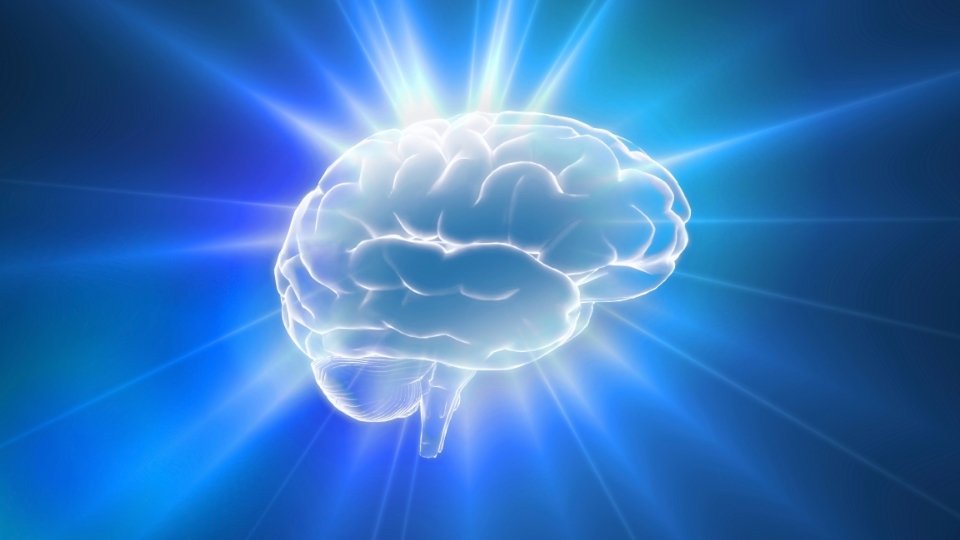
MDMA acts on three key neurotransmitters in the brain. It increases serotonin, dopamine, and norepinephrine levels, leading to feelings of empathy, emotional warmth, and increased sociability. According to the National Institute on Drug Abuse, MDMA’s effects typically last about three to six hours after a single dose, though residual changes in brain chemistry can persist much longer.
The surge of serotonin is what makes users feel emotionally open and connected. The dopamine release contributes to euphoria, while norepinephrine elevates heart rate and blood pressure. Once the drug wears off, serotonin signaling can be disrupted, which is why poor sleep, low mood, irritability, and depression may follow in the days after use. Repeated use compounds this effect on brain chemistry over time.
Short-Term Effects of Ecstasy Molly Use
The short-term effects of MDMA can feel pleasurable at first, but they come with physical and psychological costs. Users often experience elevated mood, heightened sensory perception, increased heart rate, and rising body temperature. These short-term effects can also lead to dangerous side effects like hyperthermia, dehydration, or, in some cases, dangerously low sodium from drinking too much water, especially during physical activity at music festivals or in crowded clubs.
Common short-term effects of ecstasy Molly use include:
- Euphoria and increased sociability
- Elevated heart rate and blood pressure
- Jaw clenching and teeth grinding
- Nausea and confusion
- Increased body temperature and sweating
- Anxiety or panic attacks at high doses
- Dehydration
Two of the most recognizable physical signs of MDMA use are jaw clenching and elevated body temperature. The stimulant effects tense the muscles of the jaw, while serotonin and norepinephrine release disrupts the body’s ability to regulate heat. In hot environments, this combination can lead to hyperthermia, one of the most severe dangers of MDMA use, along with dehydration, overhydration-related complications, and serotonin syndrome, which can be life-threatening.
The Real Risks of Mixing MDMA with Other Drugs
The real risks of MDMA use multiply when the substance is combined with alcohol or other stimulants. Mixing MDMA with alcohol increases dehydration and masks intoxication, while combining it with other stimulants like cocaine or amphetamines puts intense strain on the cardiovascular system. Even prescription medications, particularly antidepressants, can interact with MDMA and trigger serotonin syndrome. People who already struggle with polysubstance use patterns face the highest risk.
Why Synthetic Cathinones in the Drug Supply Are Potentially Dangerous
A major concern in the current drug supply is contamination with dangerous additives. U.S. surveillance has documented that powders sold as Molly have contained synthetic cathinones like eutylone and N, N-dimethylpentylone, which have different effects and risks compared to MDMA. These compounds, sometimes sold as bath salts, are chemically similar to amphetamines but unpredictable in their potency and duration.
European monitoring data have found wide variation in MDMA powder purity, with some samples ranging from low-purity products to highly concentrated MDMA. Health Canada has issued similar warnings about adulterants in Canadian supplies, including stimulant powders being sold under the same names. The presence of bath salts and synthetic cathinones in samples sold as ecstasy, Molly, is one of the most potentially dangerous trends to emerge in recent years. This unpredictability is why drug checking services have become an important harm reduction tool.
| Form | Appearance | Common Adulterants | Perceived Purity |
|---|---|---|---|
| Ecstasy | Pressed colorful tablets with logos | Caffeine, ketamine, methamphetamine | Lower |
| Molly | Powder or crystal in capsules | Synthetic cathinones, eutylone, dimethylpentylone | Higher (often inaccurate) |
| Lab-confirmed MDMA | Clear or off-white crystal when tested and confirmed | None when genuinely pure | Highest, but purity cannot be confirmed by appearance alone |
Potential Long-Term Effects on Mental Health
Repeated use of MDMA can change how the brain functions over time. Long-term use of MDMA has been associated with cognitive deficits and changes in brain chemistry, including reductions in serotonin transporter binding in some studies, though causality can be difficult to isolate because many users also use other substances. The potential long-term effects may include persistent memory problems, attention difficulties, sleep problems, and ongoing mood changes. These long-term consequences are part of why early intervention matters.
Connection to Mental Disorders and Substance Use
Heavy or repeated MDMA use has been associated with several mental disorders, including depression, anxiety, and panic attacks. The Diagnostic and Statistical Manual of Mental Disorders (DSM-5) recognizes stimulant use disorder as a clinical diagnosis that can apply to MDMA. People with pre-existing mental health conditions may face increased risk of negative consequences from MDMA use, including worsening symptoms and the development of new mental health challenges.
The relationship between substance use and mental health is bidirectional. Some people turn to MDMA to self-medicate underlying mental health issues, while repeated use of the drug can itself contribute to mental health decline. Addressing both concerns together through integrated care is essential, which is why programs that combine therapy and medical support tend to be most effective. Reviewing the stages of addiction can help you understand how casual use can progress to a substance use disorder.
Signs of MDMA Substance Use and Withdrawal
Recognizing problematic MDMA use early can help prevent long-term consequences. People who use MDMA regularly may experience a post-use crash or withdrawal-like symptoms when they stop, even though MDMA is not typically associated with the severe physical withdrawal seen with alcohol or opioids.
Common signs that someone may experience withdrawal symptoms or develop a substance use issue include:
- Persistent low mood or depression following use
- Difficulty sleeping or chronic poor sleep
- Strong cravings for the drug
- Increased use to achieve the same effects
- Continued use despite negative consequences
- Anxiety, confusion, or irritability between uses
If you recognize these patterns in yourself or a loved one, resources on drug descriptions and debunking myths about addiction can help you frame what you are seeing. Acting early avoids the deeper negative consequences that come with repeated use.
The post-use crash from MDMA shares many features with the cocaine comedown, including fatigue, low mood, and intense cravings as reward chemistry rebalances. These post-use effects also echo what happens with prescription stimulants, where Vyvanse withdrawal produces a similar drop in mood, motivation, and concentration once the dose wears off.
What the Drug Enforcement Administration Says About Ecstasy Molly
The Drug Enforcement Administration in the United States classifies MDMA as a Schedule I substance, citing high potential for drug abuse and no currently accepted medical use outside of research settings. In Canada, MDMA is listed under Schedule I of the Controlled Drugs and Substances Act, carrying penalties for possession, trafficking, and production. The National Institute on Drug Abuse and the National Institute on Mental Health continue to fund research on MDMA’s effects, including possible supervised therapeutic uses, particularly for PTSD. However, recreational MDMA use remains illegal and unregulated in both countries, and MDMA-assisted therapy is not approved for routine medical use in Canada or the United States.
Treatment Options for MDMA Addiction
While MDMA does not always produce the same physical dependence as opioids or alcohol, treatment for MDMA-related substance use is well established. Treatment usually combines medical support, psychotherapy, and aftercare planning. The right approach depends on the severity of use, co-occurring mental health conditions, and individual circumstances. Costs and timelines can vary, so reviewing how long drug rehabilitation typically takes and what drug rehab costs can help you plan.
Inpatient Treatment Programs
Inpatient treatment programs for MDMA addiction typically last between 30 and 90 days, providing a structured environment for recovery. These programs offer round-the-clock support, medical monitoring, and intensive therapy. A structured residential rehab setting removes triggers and gives people the space to focus fully on healing. To understand what to expect, see what happens when you check into a rehab centre. Detox and withdrawal management are essential components of MDMA addiction treatment, helping individuals manage withdrawal symptoms and focus on recovery.
Outpatient Treatment and Individual Therapy
Outpatient treatment is suitable for individuals with less severe MDMA addiction, allowing them to maintain responsibilities while receiving care. Treatment often includes individual therapy approaches such as cognitive behavioural therapy, dialectical behavioural therapy, and motivational interviewing.
The Importance of Therapy
Psychotherapy is a key element in MDMA addiction treatment, allowing individuals to explore the root causes of their drug abuse and develop coping mechanisms. Group support, relapse prevention, and aftercare planning round out the recovery process. Mindfulness-based skills such as urge surfing can also help people sit with cravings as they rise and fade instead of acting on them.
Harm Reduction and Drug Checking Services in Canada
For people not yet ready to stop using, harm reduction can reduce immediate dangers. Drug checking services are available in some parts of Canada, including services supported by Health Canada, provincial health authorities, and local harm reduction programs. These services allow people to test substances for MDMA content and additional substances before use. Drug checking services have detected synthetic cathinones and other unexpected compounds in drugs sold as Molly or ecstasy, and they can also test for fentanyl and other contaminants that may appear in the unregulated drug supply.
Other harm reduction practices include staying hydrated without overdoing water intake, taking breaks from physical activity, avoiding mixing with alcohol or other substances, and never using alone. While harm reduction can lower some risks, it does not eliminate the harmful effects of MDMA use entirely. The safest path remains professional support, and learning healthy ways to cope with triggers can prevent escalation.
Molly vs MDMA: Frequently Asked Questions
Is Molly always pure MDMA?
No. Despite the perception that Molly is purer than ecstasy, drugs sold as Molly may not contain any MDMA at all. MDMA found in samples labeled as Molly often comes mixed with synthetic cathinones, caffeine, or other stimulants. Without drug checking services, there is no reliable way to know what is in a given sample, which makes every use unpredictable.
Can you experience withdrawal symptoms from MDMA?
Yes, though MDMA withdrawal is generally less severe than withdrawal from alcohol or opioids. Common withdrawal-like symptoms include depression, fatigue, poor sleep, anxiety, irritability, cravings, and difficulty concentrating. These can last from a few days to longer, especially after heavy or repeated use. Professional support helps manage these symptoms safely and addresses the brain chemistry changes that underlie them.
What should I do if a loved one is using ecstasy or Molly?
Approach the conversation with empathy rather than judgment. Learn about MDMA use and treatment options, encourage professional help, and consider attending family support or education sessions. Resources on supporting a partner struggling with addiction and the CRAFT method can guide your approach. If you suspect a serious problem, reaching out to a team like the one at Into Action Recovery is a strong first step