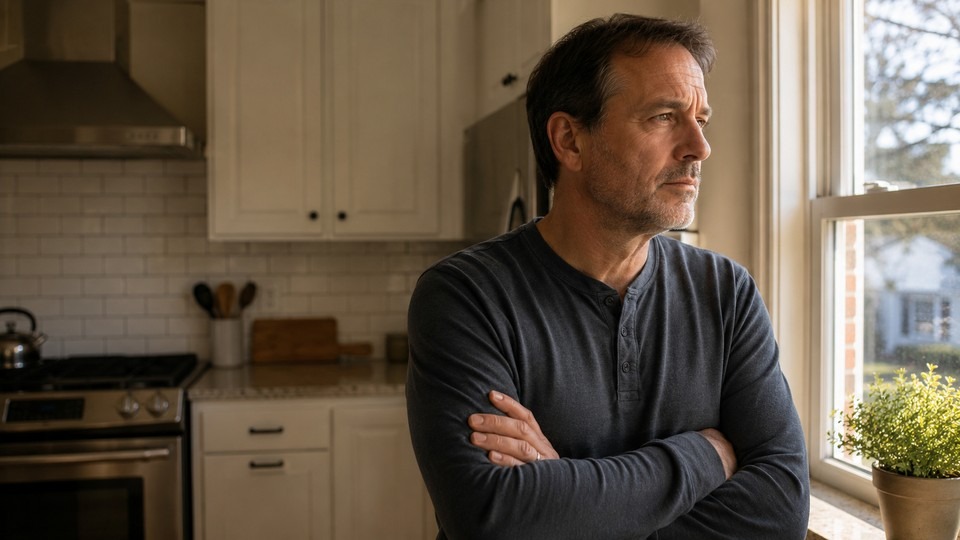


When the person you love most begins to disappear inside a bottle, the marriage you built can feel unrecognizable. Living with an alcoholic spouse often means missed dinners, late-night arguments, and the slow erosion of trust that grows from broken promises.
This guide is for spouses and family members trying to hold a household together while a loved one’s drinking takes over. It covers how to set healthy boundaries, how to encourage alcohol addiction treatment, and how to protect your own well-being. Alcohol use disorder affects many Canadians and their families. Research shows that families play a key role in recovery from alcohol use disorder, and that recovery has a positive impact on family members and family functioning.
Understanding Alcohol Addiction in a Marriage

Alcohol addiction, clinically known as alcohol use disorder, is a medical condition that alters brain chemistry and behaviour. It is not a moral failing or a lack of willpower. Recognizing it as a health condition can change how you respond to your partner and to yourself.
The tell-tale signs of alcohol use disorder vary from person to person. Some people drink heavily every day, while others binge in cycles. What unites these patterns is that alcohol use begins to control the person’s life. Learning the difference between heavy drinking and alcoholism can help you understand what your spouse may be experiencing.
Recognizing the Signs Your Spouse Has a Drinking Problem
Many people minimize early warning signs because they want to believe things are not as bad as they appear. People with problematic alcohol use often hide the extent of their use, and small changes are often the only early clue.
Changes in Drinking Habits
Shifts in drinking habits are often the first clue. Your partner may start drinking earlier, hide alcohol, or become defensive when you mention their consumption. You might also notice they need more alcohol to feel the same effects. Reviewing the seven common signs of alcoholism can help you assess what you are seeing.
Broken Promises and Patterns of Denial
Broken promises are one of the most painful parts of loving someone with alcohol addiction. Your spouse may swear they will cut back, only to repeat the same pattern within days. Broken promises are not always lies in the moment; addiction can override a person’s best intentions. Still, the harm those broken promises cause is real, and the weight of broken promises can be emotionally draining for the whole family.
Knowing how long alcohol stays in your system can also help you understand why a partner may still seem impaired long after their last drink.
The Emotional Impact of Living With an Alcoholic
The emotional impact of living with an alcoholic spouse is often underestimated by outsiders. Partners describe constant stress and vigilance, never knowing which version of their spouse will walk through the door.
Effects on Mental Health
Living with an alcoholic spouse can contribute to depression, anxiety, chronic stress, and sleep problems due to constant worry over their well-being and unpredictable behavior. Many partners report sleep problems, irritability, and difficulty concentrating at work. The emotional strain of living with an alcoholic can contribute to long-term psychological or physical health effects, especially when abuse, fear, or instability are present. Protecting your mental health is not selfish; it is necessary.
Many partners notice their own worry deepens, partly because alcohol can cause or worsen anxiety for everyone exposed to the cycle.
Effects on Children of an Alcoholic Parent
When one parent drinks heavily, children absorb more than adults realize. Growing up with an alcoholic parent can shape how children handle conflict, trust, and emotional distress later in life, though outcomes vary. Our article on how parental addiction affects children explores this further, along with research on adult children of alcoholics and the patterns they carry.
How Alcohol Abuse Affects the Whole Family

Alcohol abuse rarely stays contained to the person drinking. An alcoholic spouse living in the home shifts the dynamic for everyone: household responsibilities pile up on the sober partner, financial strain grows, and other family members may withdraw. Living with an alcoholic can also increase the risk of unhealthy relationship patterns, including codependency, over-functioning, fear-based attachment, and trauma bonding.
Dealing with a loved one’s drinking is painful for the whole family, but help is available. The table below shows how a spouse’s alcoholism can significantly affect family life.
| Area of Life | Common Effect on the Family |
|---|---|
| Emotional health | Anxiety, depression, chronic stress, ongoing emotional distress |
| Physical health | Sleep disruption, headaches, fatigue, stress-related health problems |
| Finances | Lost income, debt, financial strain from alcohol-related costs |
| Children | Behavioural issues, school struggles, fear at home |
| Relationships | Withdrawal from close friends and trusted friends |
When you are talking to your partner about why change matters, reviewing the long-term effects of alcohol on the body can help frame the conversation in concrete terms.
Setting Healthy Boundaries With Your Alcoholic Partner
Setting healthy boundaries is essential for protecting your mental and physical health when living with an alcoholic spouse. Boundaries are clear statements about what you will and will not accept in your own life.
Examples of Physical and Emotional Boundaries
Healthy boundaries can include physical boundaries, such as having your own space, and emotional boundaries, like refusing to tolerate abusive behaviour. Practical examples include:
- No drinking inside the home or around the children
- No driving with your spouse when they have been drinking
- No tolerance for verbal abuse, threatening behaviour, or physical abuse
- A separate bedroom on nights when your partner has been drinking heavily
- A commitment to stop covering for missed work or skipped social obligations
If threats, physical abuse, or danger occur, prioritize safety and seek emergency or professional support rather than trying to enforce boundaries alone.
Communicating Boundaries Clearly
Communicating your boundaries clearly and establishing consequences for crossing them is crucial when living with an alcoholic spouse. Pick a calm moment, speak plainly, and avoid arguing about details when your partner is intoxicated. Clear boundaries are easier to enforce when both people understand them in advance.
Avoiding Enabling Behaviours
Enabling behaviours often start as acts of love. Calling in sick on your spouse’s behalf, paying off debts, or smoothing over conflicts can feel like protecting your family, but these patterns shield your partner from the natural consequences of their alcohol use. The CRAFT method offers an evidence-based way to support a loved one while reducing enabling behaviours.
What to Do When Your Partner Refuses Help
When your partner refuses treatment, the situation can feel hopeless. Some people who initially resist help reconsider when boundaries become consistent and loved ones stop shielding them from the impact of their drinking, although change is never guaranteed. While living with an alcoholic who refuses help, focus on what you can control: your choices, your boundaries, and your support system.
An unhealthy relationship pattern can shift even when only one person is doing the work. Couples therapy may not be appropriate when there is active abuse, coercion, or ongoing intoxication, but some couples or family-based approaches can help when safety is established, and both partners are willing. Individual therapy can also produce meaningful change.
If your spouse drinks heavily every day, be aware that quitting suddenly can trigger alcohol withdrawal seizures, which is one more reason medically supervised detox matters.
Encouraging Alcohol Addiction Treatment
Family members can encourage treatment with compassion and empathy, focusing on how the drinking affects your mental health and the relationship rather than placing blame. Open and honest conversations about the impact of alcohol use can help an alcoholic spouse who is minimizing the problem begin to consider change, especially during calm moments when they are sober and willing to listen about why it is time to stop drinking.
Staging an Intervention
Staging an intervention can be an effective way to encourage an alcoholic spouse to seek help, especially when it is professionally planned. It involves a group of loved ones expressing concern and support in a structured manner. A professional interventionist can guide the conversation, prepare family members, and present concrete treatment options. Confrontational or surprise interventions can backfire, so families may also benefit from CRAFT or other family-based approaches. Our guide on interventions and helping a loved one get addiction treatment walks through the process.
Treatment Options and Aftercare Support
Once your spouse agrees to seek treatment, you will face decisions about inpatient versus outpatient rehab and what level of care fits your family. Many people benefit from residential programs followed by aftercare support, ongoing therapy, and peer groups like Alcoholics Anonymous. Our overview of alcohol addiction treatment options can help you build an action plan.
Practicing Self-Care and Protecting Your Well-Being
Practicing self-care is essential when living with an alcoholic spouse, because it helps maintain physical and mental health amidst the relationship’s challenges. Self-care is the daily work of protecting your own well-being so you can keep showing up for yourself and your children.
Healthy coping strategies, such as going for a walk, practicing breathing exercises, and engaging in positive self-talk, help manage stress when living with an alcoholic. Many partners attend therapy on their own to process what they are experiencing.
Building a Support System
A support system of friends, family, or support groups like Al-Anon is crucial when living with an alcoholic, because it provides a safe space to share experiences and seek outside support.
Helpful options include:
- Al-Anon family groups for relatives of people with alcohol use disorder
- Individual therapy with a counselor experienced in substance abuse
- Online and in-person support groups for spouses and partners
- National, provincial, and territorial substance use and mental health resources listed through Canada.ca and local health services
- Trusted friends and close friends who can listen without judgment
Our piece on family support groups explains how peer support can help the whole family begin to heal.
When Safety Becomes a Concern
Some situations call for an emergency plan. Signs it may be time to leave an alcoholic spouse include unpredictable and dangerous behaviour, which can create constant anxiety and fear for your safety. If your spouse shows no signs of stopping their drinking despite serious consequences, leaving or separating may be necessary for your safety and mental health. If your spouse drinks to the point of unresponsiveness or vomits while passed out, learn to recognize alcohol poisoning symptoms vs drunk behaviour and call 911 immediately.
Intimate partner violence, threats against you or the children, and ongoing verbal abuse are reasons to seek professional help and create an emergency plan. In Canada, you can call or text 988 for mental health crisis support, and ShelterSafe.ca lists women’s shelters across the country. If you are in immediate danger, call 911.
Canadian Resources for Families
Canadian organizations that offer free or low-cost support for families affected by alcohol abuse and substance abuse include:
- Canada.ca’s Get Help With Substance Use resource page
- The Canadian Centre on Substance Use and Addiction for evidence-based alcohol information
- Provincial addiction services in your region
- ConnexOntario at 1-866-531-2600 or the Ontario Drug and Alcohol Helpline at 1-800-565-8603 for Ontario residents, with provincial and territorial services available elsewhere
- Local Al-Anon meetings for families and friends, and Alcoholics Anonymous for people seeking help with their own drinking
Reaching out is often the hardest step. The right professional support can change everything.
FAQs About Dealing With an Alcoholic Spouse
How do I know if my partner has alcohol use disorder or is just a heavy drinker?
Alcohol use disorder is diagnosed by a healthcare provider based on patterns such as inability to quit drinking, cravings, withdrawal symptoms, and continued use despite harm. If your partner’s drinking habits affect their health, your relationship, or their work, a professional assessment is a reasonable next step. Reviewing signs of a functioning alcoholic and common alcoholic personality traits can also help.
What should I do if my alcoholic spouse refuses to seek treatment?
When a partner refuses treatment, focus on what you can change. Set clear boundaries, stop enabling behaviours, and lean on your support system. Many partners find that Al-Anon meetings or therapy help them feel less stuck. A partner who initially refuses sometimes reconsiders once the family system shifts.
Should I leave my alcoholic partner?
This is a personal decision that depends on safety, children, finances, and your emotional and physical health. If you face physical abuse, threats, or fear for your safety, leaving may be necessary. If the relationship is painful but safe, a counsellor can help you weigh your options. Reading more about how to cope while living with an alcoholic may offer perspective.
Take the Next Step Toward Healing
Dealing with a loved one’s drinking is painful and challenging for the whole family, but help is available. Whether your spouse is ready to quit drinking today or still resisting, you do not have to navigate this alone.
Into Action Recovery offers care for individuals struggling with alcohol use disorder, plus guidance for families on the recovery journey. If you are exploring residential alcohol addiction treatment for your spouse, our team is here to listen.