
If you or someone you care about has used cocaine, you may be wondering how long cocaine stays in urine and other parts of the body. Whether the concern is an upcoming workplace drug test, a legal matter, or anxiety about cocaine addiction, understanding cocaine detection times can help you make sense of what to expect. For anyone ready to address cocaine use, a structured inpatient addiction treatment program provides the medical expertise, counseling, and round-the-clock support needed to begin lasting recovery.
How long does cocaine stay in your urine? It will depend on a number of factors. This guide explains how long cocaine stays in your system, the half-life of cocaine and its metabolites, the factors that influence detection, and how a cocaine test compares across urine, blood, saliva, and hair. The information draws on Health Canada, the Canadian Centre on Substance Use and Addictions, and the Substance Abuse and Mental Health Services Administration (SAMHSA) testing guidelines.
How Long Does Cocaine Stay in Urine? The Short Answer
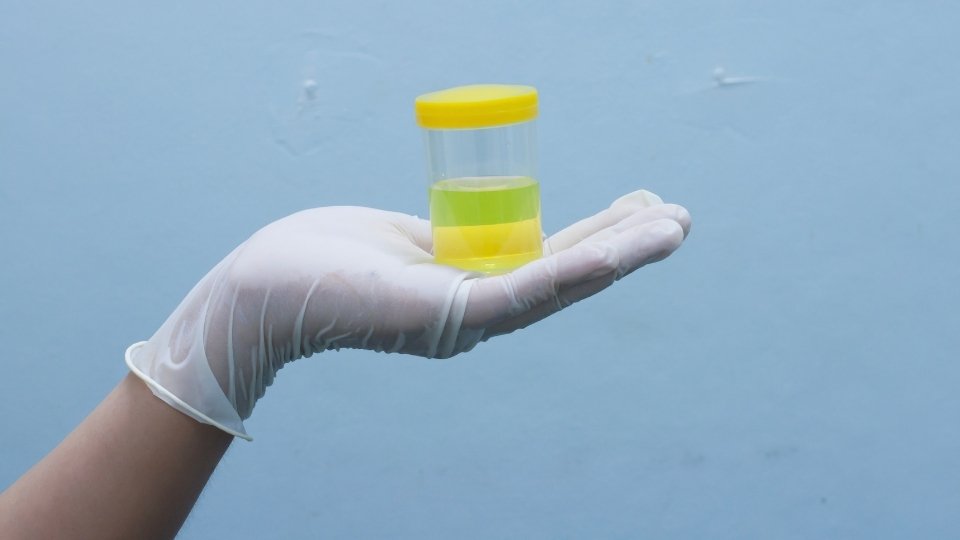
For occasional users, cocaine can be detected in urine for up to 4 days after the last dose. Some studies using sensitive testing methods indicate that benzoylecgonine, the main metabolite of cocaine, can be detectable for up to 106 hours, or roughly 4.5 days, after ingestion, though results depend on the cutoff and testing method.
Many commercial urine tests detect cocaine metabolites for about 2 to 4 days after occasional use, and sometimes longer depending on dose, cutoff, and test sensitivity. Heavy users may keep testing positive for up to two weeks after the last dose, depending on dosage, metabolism, and several individual factors. Knowing how long cocaine stays in your system can help you prepare for a drug test or simply understand your own recovery timeline. The answer to how long cocaine stays in the body depends on which test is used and how often the person has been taking cocaine.
Understanding Cocaine and What Happens When You Take It
Cocaine is a powerful stimulant that affects the central nervous system. Health Canada classifies cocaine as a controlled substance with substantial risks for cardiovascular issues, including high blood pressure, heart attack, and dependency. Frequent cocaine use puts users at higher risk of long-term harm and substance use disorder, including patterns that can take significant time to reverse.
For more on how cocaine and related substances compare, see our overview of common drug descriptions and our addictive substance descriptions guide.
What Happens After Taking Cocaine
After taking cocaine, the body processes it rapidly. Cocaine’s effects are short-lived and often last minutes to under an hour, depending on the route, dose, and person. Smoking or injecting cocaine produces a quicker high lasting about 10 to 20 minutes, while snorting cocaine offers a slower onset but a longer experience. Once cocaine immediately wears off, many people enter a noticeable comedown that includes fatigue and low mood, which we cover in our cocaine comedown guide.
Cocaine is quickly metabolized by the liver. It has a relatively short half-life, often around 1 to 1.5 hours, meaning the body breaks down about half of the drug in that time. The metabolites, however, stay in the system longer than cocaine itself.
Cocaine Metabolites and Drug Detection
When the liver breaks down cocaine, it produces several metabolites, including benzoylecgonine and ecgonine methyl ester. Most routine urine drug tests primarily look for benzoylecgonine because it stays in the system longer than cocaine itself. Benzoylecgonine has a significantly longer half-life of roughly 6 to 12 hours.
Cutoff thresholds vary by program and lab. Some commercial immunoassays use 300 ng/mL, while SAMHSA-style federal workplace guidelines commonly use 150 ng/mL for initial urine screening. Positive screens are typically verified with confirmatory testing. Frequent cocaine use, including smoking forms like crack, can cause longer-term harms to the lungs, which we explain in our crack lung article.
Cocaine Detection Times Across Different Tests
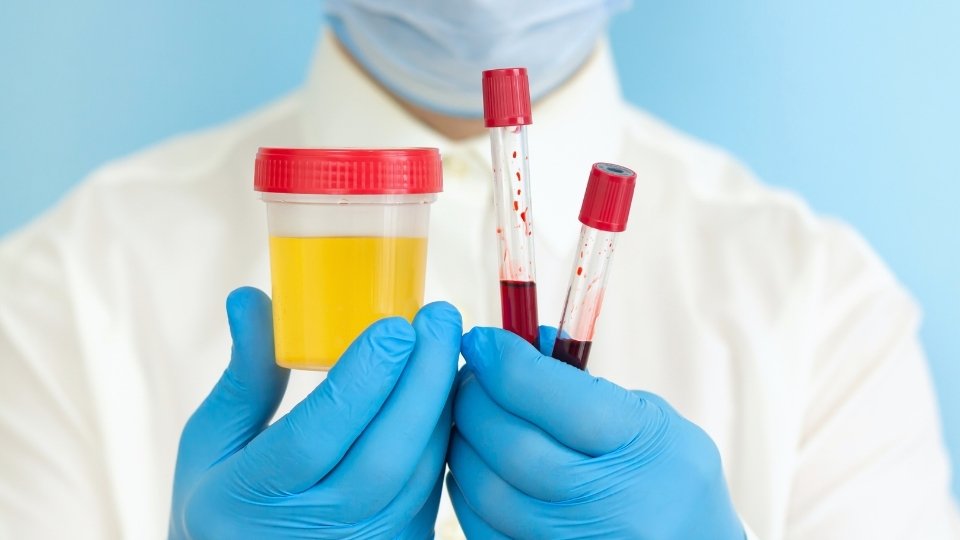
Several factors determine cocaine detection times, and each test type has a different detection window. A drug test can take many forms, and the choice often depends on the situation, such as workplace screening, legal settings, or medical evaluation. The table below summarizes some typical windows.
| Test Type | Detection Window | Common Use |
|---|---|---|
| Urine tests | 2 to 4 days (occasional); up to 2 weeks (chronic) | Workplace, legal situations |
| Blood tests | 12 to 48 hours | Medical, accident investigation |
| Saliva tests | 1 to 2 days | Roadside, workplace |
| Hair testing | Up to 90 days | Legal cases, long-term monitoring |
Urine Tests: The Most Common Method
Urine tests are the most common method for detecting cocaine. They offer a detection window of 2 to 4 days for occasional users and up to 2 weeks for chronic users. Urine tests specifically look for benzoylecgonine because it stays in the system longer than cocaine itself, making it a more reliable marker of past use.
A urine sample is non-invasive, inexpensive, and offers a workable window for cocaine exposure. These advantages make a urine drug screen the standard in workplace and legal drug test programs. If you are curious about how detection windows compare for other medications, our gabapentin detection guide covers a similar topic.
Blood Tests
Blood tests for cocaine have a short detection window of 12 to 48 hours. Because the body processes cocaine quickly, blood tests are less common for routine drug testing. They are typically reserved for confirming very recent cocaine use in emergency medical care, hospital admissions, or accident investigations.
Saliva Tests
Saliva tests can detect cocaine for about 1 to 2 days after use. A saliva sample is gaining popularity due to its non-invasive nature and the difficulty of tampering with the collection. Roadside checks and some workplace drug screen programs now use saliva tests for these reasons.
Hair Follicle Tests
Hair testing offers the longest detection window for cocaine. It can identify cocaine use for up to 90 days after the last dose, making hair testing useful for legal situations or long-term monitoring of sobriety. As hair grows, metabolites embed in the strand, leaving a record of past cocaine exposure for months.
Factors That Affect How Long Cocaine Stays in Your System
How long cocaine stays in your system depends on several factors. The duration cocaine can be found in urine tests is shaped by usage habits, individual biological factors, and testing conditions. Detection rates vary depending on the lab method and cutoff used.
Frequency of Cocaine Use and Higher Doses
The amount of cocaine used significantly affects how long cocaine stays in the body. Larger doses take the body longer to eliminate cocaine compared to smaller ones, and higher doses extend the detection window.
Chronic use of cocaine builds up metabolites in the body. Chronic users may have detectable levels for up to two weeks, while occasional users typically clear cocaine within a few days. The frequency of taking cocaine matters as much as the quantity when it comes to cocaine elimination and how long cocaine stays detectable. For people noticing a pattern of escalating use, our stages of addiction article explains how habits can shift over time.
Body Composition and Half-Life Differences
Body composition may have a modest effect, but dose, frequency of use, test cutoff, urine concentration, and liver and kidney function usually matter more. Any effect of body composition is usually modest compared with frequency of use, dose, cutoff, and urine concentration.
The half-life of cocaine versus its metabolites also matters. Cocaine itself has a short half-life, but benzoylecgonine has a longer half-life, which is why urine tests remain positive longer than blood tests. Hair testing, with its slow incorporation of metabolites into the hair shaft, provides the broadest window.
How Time in Your System Depends on Other Biological Factors
Individual factors such as liver function, age, and hydration levels influence how quickly cocaine and its metabolites leave the body. Liver damage from chronic substance use can slow liver function further, extending detection times. Kidney function, metabolic rate, and overall health are other biological factors that affect cocaine elimination, and outcomes vary depending on each person’s circumstances.
Hydration mainly affects urine concentration rather than the body’s true elimination rate. High fluid intake can dilute a urine sample and lower metabolite concentration, but diluted samples are often flagged and may require retesting.
Mixing Cocaine With Other Substances
Using cocaine in combination with other substances, particularly drinking alcohol, creates a metabolite called cocaethylene. Cocaethylene has a longer half-life than cocaine on its own and poses greater health risks, including increased chances of heart attack and liver damage.
Cocaethylene may remain detectable longer than cocaine in some tests and is a marker of combined cocaine and alcohol use. Standard urine cocaine tests usually focus on benzoylecgonine, so alcohol does not guarantee a longer routine urine detection window, though it does increase health risks. Mixing with other drugs can also affect how the body processes cocaine. Pregnant or breastfeeding individuals should know that cocaine and its metabolites can pass into breast milk, which is a serious concern for infant health. For a contrasting profile on other drug combinations, see our piece on Molly versus MDMA.
The Half-Life of Cocaine Explained
Cocaine has a relatively short half-life, often around 40 to 90 minutes. The body breaks down cocaine quickly, but the metabolites it leaves behind linger. Benzoylecgonine has a longer half-life of 6 to 12 hours, which is why it remains the marker of choice for urine drug testing rather than cocaine itself.
This pattern means that while the immediate effects of cocaine may wear off within an hour or two, evidence of cocaine exposure remains in urine, blood, saliva, or hair for far longer. Anyone trying to predict how long cocaine stays in their own system should keep both timelines in mind.
What a Cocaine Test Looks For
A cocaine test does not search for cocaine itself in most cases. Instead, it looks for metabolites produced when the body breaks down the drug. The most common target is benzoylecgonine, since it is detectable longer than cocaine.
Urine tests usually rely on metabolites such as benzoylecgonine. Blood, saliva, and hair tests may detect cocaine itself, metabolites, or both, depending on the method. Cutoff thresholds vary depending on the testing standard, and confirmatory tests like gas chromatography mass spectrometry are used to verify positive results before they are reported.
Testing Positive on a Urine Drug Screen
Testing positive for cocaine on a urine drug screen usually means benzoylecgonine was found above the cutoff threshold. Positive results from an initial immunoassay are typically confirmed with a more sensitive test before being reported in legal or workplace contexts. Anyone testing positive in a legal setting has the right to ask about confirmation procedures and the chain of custody.
False positives for cocaine on a drug test are uncommon, and confirmatory testing reduces the risk further. If you are testing positive but believe the result is incorrect, contacting a medical review officer is usually the next step. For a broader context on managing the early days of recovery, our piece on whether to detox before treatment offers helpful background.
How Long Cocaine Affects You After Use
While cocaine’s effects fade within 15 to 30 minutes for many people, the after-effects can last much longer. After using cocaine immediately, the body enters a recovery phase. Many people experience a comedown or crash the next day, which can include excessive fatigue, depression, and anxiety.
Repeated cocaine use can produce longer-lasting changes in mood, sleep, and energy levels. The crash period is one reason people reach for more cocaine to delay the discomfort, which can deepen patterns of dependence over a longer period. Some respond to the crash by taking cocaine again, which keeps the cycle going.
Cocaine Withdrawal Symptoms
For those who have used cocaine frequently, stopping can trigger cocaine withdrawal symptoms. Cocaine withdrawal can begin within hours to days after the last use of cocaine and may last for several weeks. The intensity of cocaine withdrawal often surprises people, even though the physical effects are not usually life-threatening.
Common cocaine withdrawal symptoms include:
- Depression and low mood
- Fatigue and excessive sleep
- Increased appetite
- Intense cravings for more cocaine
- Difficulty concentrating
- Vivid or unpleasant dreams
- Irritability and anxiety
Cocaine withdrawal is generally not as physically dangerous as alcohol or benzodiazepine withdrawal, but the psychological withdrawal symptoms can be intense. Medical supervision is recommended for anyone with significant chronic use or co-occurring mental health concerns. For practical strategies during this period, see our tips for dealing with cravings.
From Casual Use to Cocaine Addiction
Frequent or long-term cocaine use raises the risk of substance use disorder, often called cocaine addiction. This condition can make it hard to stop using despite serious negative consequences in work, relationships, and physical health, and it tends to require structured support to address.
Warning signs of cocaine addiction can include:
- Using more cocaine than intended or for longer than planned
- Spending significant time obtaining, using, or recovering from cocaine
- Continuing despite health issues like high blood pressure or chest pain
- Failed attempts to cut down
- Strong cravings that interfere with daily life
- Withdrawal symptoms when not using
If any of these patterns sound familiar, support is available. Recognizing the issue is often the first step toward change. For families looking to support a loved one, our overview of what happens at a rehab centre explains the process clearly.
Getting Support for Cocaine Addiction in Canada
If cocaine use has become difficult to manage, professional help can make a meaningful difference. Treatment for cocaine addiction typically combines medical assessment, counselling, evidence-based behavioural therapies such as cognitive behavioural therapy or contingency management, peer support, and aftercare. Mental health support is a core part of recovery because cocaine use frequently affects mood, sleep, and emotional regulation.
A structured residential treatment setting provides a safe environment to address both the physical and psychological aspects of recovery. Integrated mental health services help address co-occurring conditions like depression or anxiety that often appear alongside drug use. To understand timelines, our article on how long drug rehabilitation takes is a useful next read.
Recovery is a process rather than a single event. Aftercare, peer groups, and ongoing mental health services help sustain the changes made in treatment.
How Long Does Cocaine Stay in Your Urine? Frequently Asked Questions
Can drinking water flush cocaine out of your urine faster?
Drinking large amounts of water can dilute a urine sample, which may lower metabolite concentrations below the detection cutoff. Lab technicians, however, often flag diluted samples for retesting. Hydration supports general health but does not significantly speed up cocaine elimination from the body.
Will a workplace drug test detect cocaine after one use?
In most cases, yes. A standard urine drug test can detect cocaine metabolites for 2 to 4 days after a single use. The exact window depends on dose, metabolism, and the cutoff threshold the lab applies, so results can vary depending on these conditions.
How long does cocaine stay in your system if you only used once?
For a single low-dose use, cocaine metabolites are typically detectable in urine for 1 to 4 days. Blood and saliva tests have shorter windows of 1 to 2 days, while hair testing may show evidence for up to 90 days if enough time has passed for the hair containing exposure to grow out from the scalp.