
Cocaethylene is a psychoactive metabolite formed when cocaine and alcohol overlap in the body. It has a longer half-life than cocaine and may add to cardiovascular toxicity [1]. Combining the drugs can increase the risk of serious heart complications, but the size of that risk varies and is not precisely known for an individual.
Cocaine and alcohol are a common drug combination, and many men do not know cocaethylene exists. Learning about it is often the moment someone starts to question their use and look into cocaine addiction treatment.
What Is Cocaethylene?

When cocaine is used alone, the liver’s normal metabolic pathways break it down into two major metabolites, benzoylecgonine and ecgonine methyl ester, which are mostly inactive. When alcohol is also present, liver enzymes combine the two into a new psychoactive substance called cocaethylene. Cocaethylene forms only when both cocaine and alcohol are in the body at the same time.
Cocaethylene’s psychoactive effects are much like cocaine’s. It blocks the brain from clearing dopamine, which keeps the high going, and it also strains the heart. Many people who mix cocaine and alcohol show other warning signs first, covered in the guide on signs of cocaine use.
Cocaine Use, Alcohol Consumption and Why People Mix Them
Some people combine cocaine and alcohol to prolong effects or reduce the jittery feeling associated with cocaine. Cocaine may make someone feel less sedated, but it does not lower blood alcohol or reverse alcohol-related impairment.
Some controlled studies found the combination more intoxicating or pleasurable than either substance alone [1]. These effects may encourage further use, but a longer or smoother-feeling high does not mean a safer one.
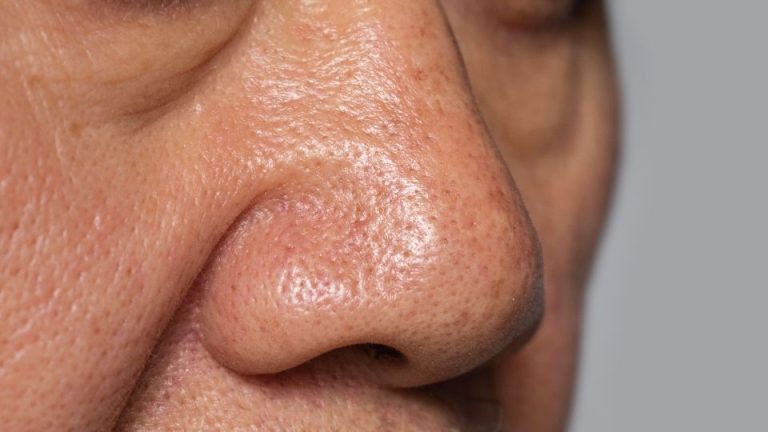
Snorting cocaine repeatedly over a long night also adds to damage inside the nose. That damage, known as coke nose, can lead to a hole in the septum over time.
The Dangers of Mixing Cocaine and Alcohol
Cocaine and alcohol each carry health risks. Their interaction can create cocaethylene, prolong exposure, and add to cardiovascular and other harm.
Heart Attack, Irregular Heartbeat and Sudden Death
Cocaine already raises heart rate and blood pressure and narrows the blood vessels that feed the heart. Cocaethylene adds to that strain and lasts longer in the body. Estimates vary, but a recent review puts its half-life at about 2 hours, compared with about 1 hour for cocaine.
A 2024 systematic review found that simultaneous cocaine and alcohol use was associated with increased cardiovascular mortality, although findings for some nonfatal outcomes were inconsistent [2]. The often-quoted 18 to 25 times death-risk figure comes from limited postmortem evidence, not a dependable estimate for every person or episode.
In severe cases, cocaethylene toxicity can cause dangerously high blood pressure, heart rhythm problems, and cardiac arrest.
Liver Damage and Other Health Risks
A cross-sectional study of 649 people living with and without HIV found an association between detectable cocaethylene and a blood-test index suggesting liver fibrosis [3]. It did not prove that cocaethylene caused scarring or that every person who mixes the drugs will develop liver disease.
Repeated cocaine and alcohol use can place health at risk, including the liver and cardiovascular system. The relative contribution of alcohol, cocaine, cocaethylene, and other health factors is difficult to separate.
Cocaine and meth both damage the body in other ways too. The guide on meth addiction explains how stimulants affect the heart, brain, and appearance.
Short-Term and Long-Term Health Risks
The acute and chronic effects of this toxic mix differ.
Short-term risks include chest pain, anxiety, impaired judgment, seizures, and overdose. Cocaine can mask the feeling of alcohol sedation without reversing impairment. Further dosing and other substances can add to the risk of an emergency.
Repeated use can contribute to cardiovascular and liver disease, mental health problems, and substance use disorders. The pattern and severity vary, so symptoms and co-occurring health conditions need assessment.
Over time, combining alcohol with either cocaine or other stimulants can cause serious harm to the heart and liver. Drinking also dries the mouth, adding to the dental damage described in the chapter on meth mouth for people who use stimulants.
Increased Risk of Overdose in the BC Drug Supply
An August 2026 BC Coroners Service release reported cocaine in 55% of decedents who underwent expedited testing during the first six months of 2026 [4]. The preliminary finding shows detection and does not establish that cocaine alone caused those deaths.
Unregulated cocaine may contain fentanyl or other opioids. Alcohol can add to opioid-related respiratory depression. Carry naloxone and call 911 for chest pain, seizures, collapse, slow or absent breathing, or inability to wake someone. Naloxone reverses opioid overdose but does not treat cocaine or cocaethylene toxicity.
Other opioids or sedatives add further risk. Canada’s Good Samaritan Drug Overdose Act offers limited protection from simple drug-possession charges and certain related breaches when people seek emergency overdose help. It is not immunity from all offenses.
Cocaine and Alcohol Use and Mental Health
Cocaine and alcohol use can occur alongside mental health concerns. After intoxication, people may experience fatigue, low mood or anxiety. It is not established that the crash is always worse than after either drug alone.
Over time, many men find they cannot relax, sleep or socialize without one or both substances. Depression, anxiety, and anger problems can grow, and these need care alongside any plan to stop.
Signs of Cocaine and Alcohol Dependence
Cocaine and alcohol dependence often grow together. Drinking becomes the trigger for cocaine, and cocaine becomes the reason to keep drinking.
Warning signs include:
- Drinking heavily on nights when cocaine is available
- Needing more cocaine to get the same effect
- Hangovers that last days, with low mood and anxiety
- Missing work or family commitments after weekends of use
- Trying to cut down on either substance and failing
Cocaine leaves the body faster than meth, but both can show up on drug tests for days. The chapter on detection times for meth explains how blood and urine samples are tested and why results vary.
Treatment for Cocaine and Alcohol Addiction
When both substances are causing problems, a coordinated treatment plan should address both. Alcohol may act as a cue for cocaine use for some people. Care should be individualized rather than assuming everyone needs the same treatment or has both disorders.
Alcohol withdrawal can be dangerous and sometimes needs medical detox, so a doctor should help plan any attempt to stop heavy drinking. Cocaine withdrawal symptoms include fatigue, low mood and strong cravings, and they are easier to manage with support.
Treatment may include contingency management, cognitive behavioural therapy, peer support and residential care, alongside care for co-occurring mental health conditions. Using several substances does not create a single formal diagnosis of polysubstance use disorder; clinicians assess each substance separately. The chapter on why meth changes the face so quickly covers appearance changes.
Frequently Asked Questions About Cocaethylene
How Long Does Cocaethylene Stay in Your System?
Cocaethylene stays in the blood longer than cocaine. Estimates vary, but a recent review puts its half-life at about 2 hours, roughly double that of cocaine. Its effects on the heart can continue after the high has faded, which is part of what makes mixing cocaine and alcohol so dangerous.
Can One Drink With Cocaine Create Cocaethylene?
Cocaethylene may form when cocaine and alcohol overlap in the body. The amount depends on dose, timing, route, and metabolism, so it does not rise in a simple predictable ratio. No safe amount of alcohol to combine with cocaine has been established.
Is Cocaethylene More Dangerous Than Cocaine?
The combination is associated with higher cardiovascular mortality, and cocaethylene may contribute to the harm [2]. It remains in the body longer than cocaine, but studies do not provide a reliable risk multiplier for every person. Liver findings are observational and should not be read as proof of causation.
What Should You Do If Someone Has Chest Pain After Combining Cocaine and Alcohol?
Call 911 for chest pain, trouble breathing, seizure, or collapse after using cocaine and alcohol. Stay with the person and follow the dispatcher’s instructions. If they are unresponsive and not breathing normally, begin CPR as directed and use an AED if available. Give naloxone if opioids may be involved, and tell responders what was taken.
Taking the Next Step
Mixing cocaine and alcohol puts extra strain on the heart and liver every time. If you or a man in your family is ready to stop, Into Action Recovery Centre can talk through addiction treatment for men and what recovery from cocaine and alcohol involves. If you are in crisis, call or text 988 any time.
This article is for informational purposes only and is not a substitute for professional medical advice, diagnosis or treatment. Talk to a qualified health care provider about your situation.
Sources
- Cocaethylene: When Cocaine and Alcohol Are Taken Together (narrative review). https://pmc.ncbi.nlm.nih.gov/articles/PMC8956485/
- van Amsterdam J, et al. Cardiovascular Risks of Simultaneous Use of Alcohol and Cocaine: A Systematic Review. Journal of Clinical Medicine, 2024. https://pmc.ncbi.nlm.nih.gov/articles/PMC10935323/
- Cocaethylene, Simultaneous Alcohol and Cocaine Use, and Liver Fibrosis in People Living with and without HIV. https://pmc.ncbi.nlm.nih.gov/articles/PMC8885871
- BC Coroners Service. Unregulated drug toxicity claims 138 lives in June 2026. https://news.gov.bc.ca/releases/2026PSSG0066-000979