Meth is often detectable in urine for roughly 1 to 4 days, although repeated use and the test’s sensitivity can extend that window. Blood and saliva generally show more recent exposure, while hair can reflect use over months. These are estimates, not a countdown to a negative result [1].
How long meth stays depends on several factors: how much was used, how often, and how well the body clears it. Testing is often one of the first things men face when they enter drug rehab. Knowing how drug tests work takes some of the fear out of the process for him and for a loved one.
How Long Does Meth Stay in Your System by Drug Test?

The answer to how long does meth stay in your system depends on the test. Each testing method looks at a different part of the body, so each one has its own detection window. Urine tests are the most common, while hair tests reach furthest back.
Each window below is an approximate range from testing guidance and studies. The sample, laboratory cutoff, and pattern of use all affect the result.
A drug test is only one way meth use comes to light. Families more often notice erratic behavior and changes in sleep, weight, and mood first. The guide on how to tell if someone is on meth covers those signs for anyone worried about a loved one.
How Long Does Meth Stay in Urine?
Urine testing is common in workplaces, treatment programs and medical screening. Meth may remain detectable for several days after use. Repeated doses can extend detection, but there is no reliable rule that every regular user will test positive for exactly a week [1].
How Long Does Meth Stay in Your Blood?
Blood tests generally detect more recent meth exposure, often within roughly 1 to 2 days depending on the method. They may be used in hospitals and impaired-driving investigations. A result alone does not establish the exact time of use or how impaired someone is.
How Long Does Meth Stay in Saliva?
Saliva testing is quick and non-invasive. In a controlled meth dosing study, oral-fluid concentrations were higher than plasma concentrations, but detection was generally shorter than in urine [2]. Mouth-swab detection can extend to about 2 days with sensitive methods, and cutoffs matter.
How Long Does Meth Stay in Hair?
Hair testing can reflect use over a longer period. A scalp-hair sample of about 3.8 cm commonly covers roughly 3 months, depending on growth and the length tested. Very recent use is difficult to detect because drug-containing hair needs time to emerge above the scalp.
Meth’s Half-Life: Why It Stays in the Body So Long
Meth is a central nervous system stimulant with a longer half-life than cocaine. A commonly cited estimate is about 12 hours for meth, compared with about 1 hour for cocaine [3]. Half-life describes a fall in drug concentration, not how long a person remains high or impaired.
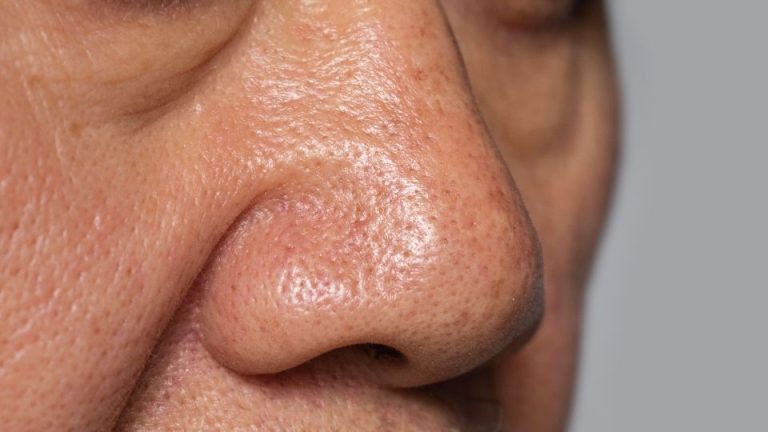
Cocaine’s fast exit does not make it safer, and long-term snorting brings its own damage, explained in the chapter on coke nose.
The body breaks part of the meth down into amphetamine, which is also active and also shows up on tests. Labs often look for both. That is one reason a person can test positive after the high wears off.
What Changes Meth Detection Times?
Detection windows are averages, not promises. The same amount of meth can clear faster in one person than another.
How Much and How Often
Dose and frequency influence detection. Repeated doses during a binge can cause accumulation and extend the period a test remains positive. Smoking and injecting produce effects quickly, but route alone does not determine the detection window.
Urine Chemistry and Hydration
Urine that is more acidic clears meth faster, and urine that is more alkaline holds it longer. Very diluted samples are flagged by labs, and drinking large amounts of water or using home remedies does not reliably remove meth from the body.
Kidney Function, Liver Health and Age
The liver metabolizes meth and the kidneys help eliminate it. Differences in kidney function, metabolism, urine chemistry and health can change clearance. Test sensitivity and dose history also matter, so a person’s age or body size cannot reliably predict a negative result.
Other substance use can complicate the health risks. Alcohol mixed with cocaine forms a toxic compound covered in the chapter on what happens when cocaine and alcohol combine.
Can Other Medications Make You Test Positive for Meth?

Some medications can cause a positive screen. Quick screening tests, called immunoassays, look for a class of drugs rather than one exact drug, so some prescription medications and over-the-counter products can trigger a positive amphetamine result.
Unexpected screening results may need confirmation with a more specific laboratory method, such as chromatography with mass spectrometry. Some medicines can produce amphetamine or methamphetamine metabolites, and special testing may be needed to distinguish methamphetamine’s isomers. Tell the testing professional about prescriptions and over-the-counter products.
Meth Use and Drug Testing in Canada
Meth testing comes up most often in three places: on the road, at work and in treatment.
Driving
Under Canada’s impaired-driving rules, any detectable methamphetamine in blood within 2 hours after driving can constitute an offence, subject to the Criminal Code’s provisions [4]. Police may use approved oral-fluid screening to help investigate drug-impaired driving. Feeling sober does not show that driving is safe or that meth is no longer detectable.
Work and Treatment
Some safety-sensitive workplaces in Canada use drug testing, but a safety-sensitive job does not automatically justify every form of testing. Policies must account for applicable privacy, labour and human-rights requirements.
Some treatment programs use urine tests to inform care and discuss progress. Testing practices vary, and a result is only one part of an assessment. Ask a program how it uses results when treating meth addiction.
Meth Withdrawal, Mental Health and Long Term Recovery
After meth use stops, withdrawal can include a crash with fatigue, increased sleep and appetite, followed by low mood, anxiety and cravings. Although stimulant withdrawal often lacks the life-threatening physical syndrome seen with alcohol withdrawal, severe depression, suicidality or psychosis can require urgent care.
The need for withdrawal management depends on mental and physical health and on other substances used. Alcohol or sedative withdrawal may need medical supervision. Treatment options include outpatient counselling and residential care, with support for co-occurring mental health concerns.
Detection Is Not the Same as Safety
A negative drug test does not prove recovery or safety. Sleep, mood and thinking problems can persist after use stops. The effects of meth and the consequences of longer-term use are not fully measured by a drug test.
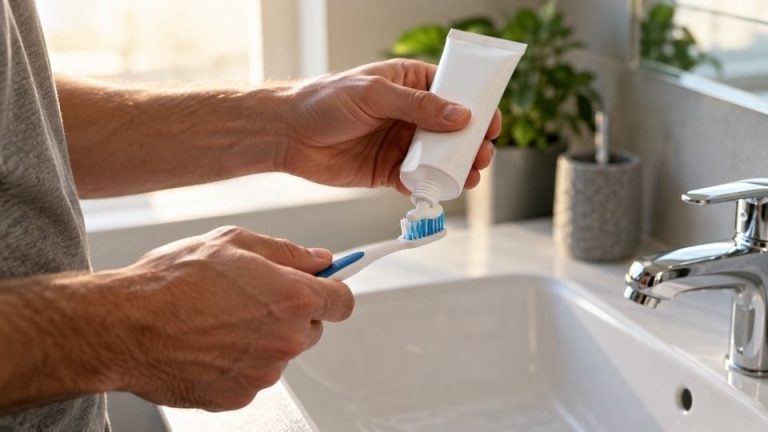
Long-term use can also harm oral health. Dry mouth, teeth grinding, sugary drinks and interrupted dental care contribute to meth mouth. The severity and speed of dental damage from meth mouth vary widely.
Meth can raise heart rate and blood pressure and increase the risk of heart attack or stroke. Serious complications can occur during an episode of use as well as with longer-term use, regardless of whether someone has ever had a positive drug test.
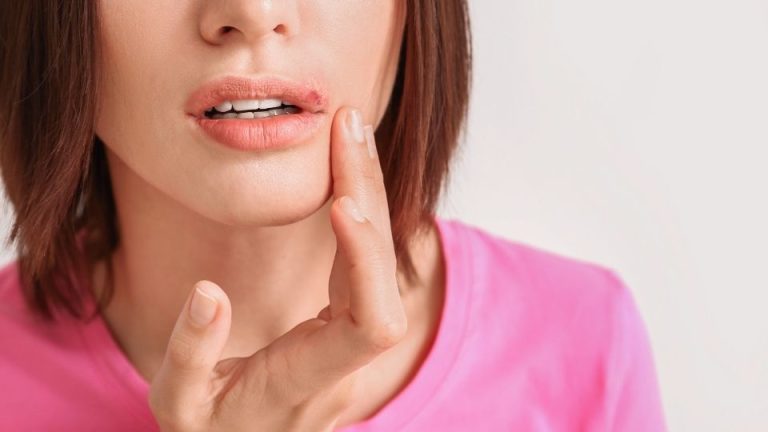
Weight loss, skin picking and lost sleep change how a person looks too, often in ways family and friends notice well before anyone mentions a drug test. Many of those changes start to reverse once use stops. The chapter on why meth changes the face so quickly explains which ones tend to heal.
Frequently Asked Questions About How Long Meth Stays in Your System
Does Drinking Water Flush Meth Out Faster?
Drinking water does not reliably make meth clear faster. Excessive dilution can make a urine result difficult to interpret and may lead to another sample, depending on the testing policy. Drinking excessive water can also be harmful. A laboratory result cannot be predicted from a hydration routine.
Can a Hair Test Show a Single Use?
Hair testing is better suited to patterns of repeated exposure than to a single low-dose use. Sensitivity, sample length, hair characteristics and cosmetic treatment affect results. Very recent use may not be detected, and a negative hair result does not rule out meth use.
How Long Does a Meth High Last Compared With Detection?
Health Canada says the effects of meth usually last about 8 hours and can last up to 24 hours [5]. The drug and its breakdown products stay detectable for days after the high fades, especially in urine. Feeling sober is not a reliable sign that meth has left the blood, which matters most for driving.
Will Meth Show Up as Amphetamine on a Drug Test?
Meth often shows up as amphetamine. The body converts part of the meth into amphetamine, and many screening tests group them together as amphetamines. A lab confirmation test then identifies which drug is present, which is why a screen and a confirmed result can read differently.
Taking the Next Step
A drug test only measures the last few days or months. If meth use has become hard to stop for you or a loved one, Into Action Recovery Centre can talk through addiction treatment for men and what the first weeks of recovery involve. If you are in crisis or thinking about suicide, call or text 988 any time.
This article is for informational purposes only and is not a substitute for professional medical advice, diagnosis or treatment. Talk to a qualified health care provider about your situation.
Sources
- Verstraete AG. Detection times of drugs of abuse in blood, urine, and oral fluid. Therapeutic Drug Monitoring, 2004. https://pubmed.ncbi.nlm.nih.gov/15228165/
- Huestis MA, Cone EJ. Methamphetamine disposition in oral fluid, plasma, and urine. Annals of the New York Academy of Sciences, 2007. https://pmc.ncbi.nlm.nih.gov/articles/PMC2709797
- National Institute on Drug Abuse. Methamphetamine Research Report (revised September 2013). https://nida.nih.gov/sites/default/files/methrrs.pdf
- Department of Justice Canada. Impaired Driving Laws. https://justice.gc.ca/eng/cj-jp/sidl-rlcfa
- Health Canada. Methamphetamine. https://www.canada.ca/en/health-canada/services/substance-use/controlled-illegal-drugs/methamphetamine.html