Meth mouth is an informal term for severe tooth decay and gum disease associated with methamphetamine use, sometimes leading to tooth loss [1]. The damage can progress quickly, but there is no reliable one-year timeline for everyone. Dental care can treat many problems, even while someone is seeking help to stop using.
Meth mouth is often one of the first visible signs that meth use has become a serious problem. For many families, a dental emergency is what finally opens the conversation about drug rehab.
What Is Meth Mouth?
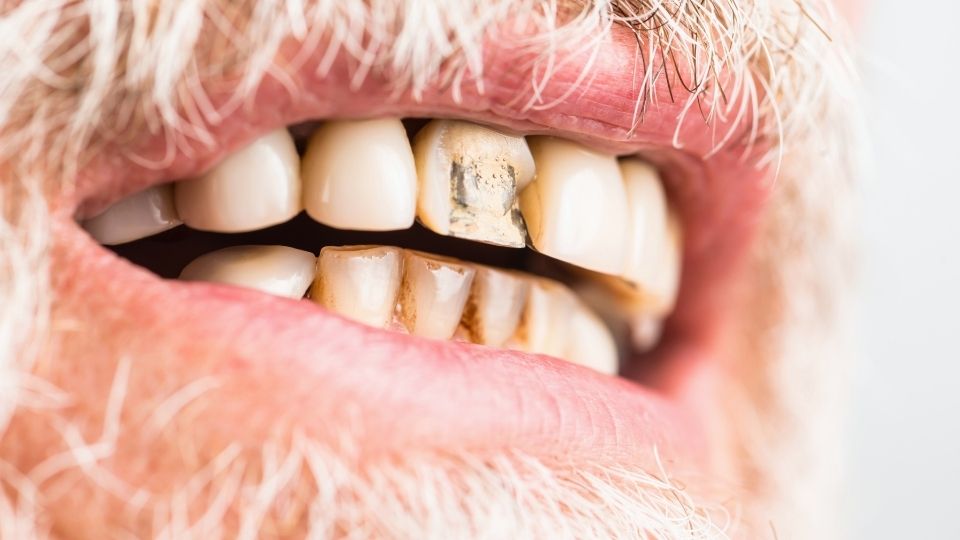
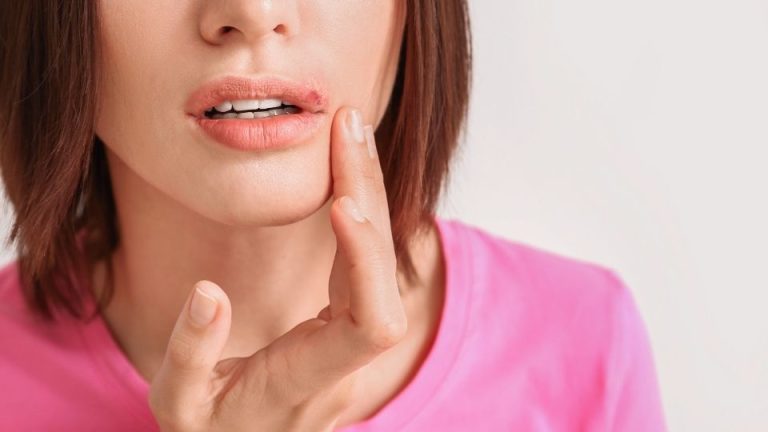
Meth mouth is a pattern of dental damage that harms oral health quickly. It is characterized by severe tooth decay, gum disease, cracked and broken teeth, and early tooth loss. Dentists describe teeth that look blackened, stained or crumbling, often with decay along the gum line and between the front teeth.
A study of 571 adults who used meth found that 96% had experienced cavities, 58% had untreated tooth decay, and only 23% had all of their natural teeth [2]. These figures describe that study sample, not everyone who uses meth. Skin sores can occur too, and the guide to meth sores covers how those develop and heal.
Meth Mouth Symptoms in the Early Stages: Dry Mouth and Bad Breath
The early symptoms of meth mouth are easy to miss. Common signs in the early stages include:
- A constantly dry mouth and bad breath
- Teeth that feel sensitive to hot, cold or sweet foods
- Red, swollen or bleeding gums
- Brown or grey spots near the gum line
Signs of Advanced Tooth Decay
With ongoing risk factors, tooth decay and gum disease can worsen. Advanced decay may cause severe pain or abscesses. Periodontitis, an advanced form of gum disease, can damage the tissues and bone supporting teeth and lead to loose or missing teeth.
Why Does Crystal Meth Cause Dental Decay?
Several factors can damage teeth during meth use. Dry mouth, grinding, diet and difficulty keeping up with oral hygiene may contribute; the pattern is different for each person.
Dry Mouth and Bacterial Growth
Meth reduces saliva, which normally washes away food and neutralizes acid. Without it, bacterial growth speeds up, and acid wears through tooth enamel. Dry mouth is one of the main causes of meth mouth and poor oral health, according to the US National Institute on Drug Abuse [3].
Meth’s effects on blood vessels and the mouth may add to oral-health problems, but dental disease is not explained by one mechanism. Cocaine also narrows blood vessels, a major contributor to coke nose.
Teeth Grinding, Sugary Drinks and Poor Oral Hygiene
Meth often causes jaw clenching and teeth grinding, which cracks and wears down teeth. Meth stimulates cravings for sugary foods and sugary drinks, which feed decay. A meth high can last many hours, and long periods of poor oral hygiene follow during binges.
Chemicals used to manufacture meth are often blamed, but attributing meth mouth mainly to battery acid oversimplifies the problem. Dry mouth, grinding, sugary drinks and interrupted oral hygiene are important contributors [1]. These habits can be part of the binge pattern behind meth addiction.
How Fast Do the Effects of Meth Mouth Appear?
Dental damage can progress rapidly, but published descriptions do not establish a predictable deadline for tooth loss. Existing dental disease, frequency of use, dry mouth, diet and access to dental care all influence how quickly problems develop.
In the study of 571 adults, moderate or heavy use was associated with about twice the odds of untreated cavities compared with light use [2]. This was an observational association. Age and cigarette smoking were also associated with dental disease.
Meth’s long action can contribute to extended periods of dry mouth and disrupted dental care. The chapter on how long meth stays in your system explains detection windows, which differ from the duration of the drug’s effects.
Can Meth Mouth Be Fixed With Dental Care?
Established cavities, lost teeth and advanced gum damage do not repair themselves. Dental treatment can address much of the damage, and stopping meth supports lasting results. Do not wait until abstinence to seek care for pain, swelling or infection; tell the dentist about recent use so care can be planned safely.
Treating Meth Mouth in the Early Stages
When damage is caught early, a dentist can often save the remaining teeth. Dental treatment may include:
- Professional cleanings and treatment for gum disease
- Fillings for cavities
- Fluoride treatments to strengthen enamel
- Advice and products for managing dry mouth and building good oral hygiene at home
Options When Teeth Cannot Be Saved
Some teeth cannot be saved and need extraction. Crowns may restore teeth that remain; bridges, dentures or implants may replace missing teeth. The right option depends on gum health, available bone, other health factors and cost. Extensive tooth loss may require full dentures.
Paying for Dental Care in Canada
Cost can be a barrier to care. The Canadian Dental Care Plan may help Canadian tax residents with adjusted family net income below $90,000 who have filed the required tax returns and lack access to private dental coverage [4]. Eligibility, covered services and patient costs need checking. Dental schools and public programs may offer other options.
Effects of Meth Beyond the Mouth
Teeth are only part of the damage. The damaging effects of meth include high blood pressure, heart strain, weight loss and changes in the brain. Long term methamphetamine use raises the risk of stroke, which can cause permanent brain damage.
The same habits that cause meth mouth show up on the skin and face. Skin picking, poor sleep and weight loss change how a person looks, and the chapter on meth face explains which of those changes reverse.
How Families Can Help: Dental Care and Mental Health
Family members are often the first to notice meth mouth. Symptoms of meth mouth, such as bad breath, broken teeth, or a man who stops smiling, can all be signs that something is wrong. A calm, private conversation works better than confrontation.
A dental visit can be a practical first step. Tell the dentist about substances used and when they were last taken, because this can affect anesthesia and treatment planning. Pairing dental care with support for meth addiction helps protect oral health and makes repairs more likely to last.
Mental health issues such as depression and anxiety often come with meth use and early recovery. Treatment options that cover both addiction and mental health support sustained recovery and better physical health.
Frequently Asked Questions About Meth Mouth
Does Alcohol Make Meth Mouth Worse?
Alcohol can contribute to dry mouth, and frequent sugary or acidic drinks can add to decay or enamel erosion. It is too strong to say that drinking alongside meth always speeds up dental damage. Mixing cocaine with alcohol also carries other risks, explained in the chapter on mixing cocaine with alcohol.
Can Meth Mouth Be Reversed?
Lost teeth and established cavities do not reverse on their own. Dental care can treat decay and gum disease and restore or replace damaged teeth. Very early enamel changes may respond to fluoride and improved oral care. Stopping meth and maintaining regular dental visits help protect treatment results.
Is Meth Mouth Caused by Battery Acid?
Battery acid is not the main cause, even though chemicals used to make meth are often blamed. Dry mouth, teeth grinding, sugary drinks, and long periods without brushing do most of the damage. The drug’s long-lasting effect means those conditions continue for hours during each use.
Should You Tell Your Dentist About Meth Use?
Tell your dentist about meth use and the timing of recent doses. Meth can affect heart rate and blood pressure, which matters for some anesthetics and other dental medicines. The dentist can decide what care is safe now and what may need rescheduling. Ask the practice about its confidentiality policies.
Taking the Next Step
Dental treatment can repair or manage many problems linked to meth mouth, and stopping meth helps protect the results. If you or a man in your family is ready to stop, Into Action Recovery Centre can talk through addiction treatment for men and what recovery involves. If you are in crisis, call or text 988 any time.
This article is for informational purposes only and is not a substitute for professional medical or dental advice, diagnosis, or treatment. Talk to a qualified health care provider or dentist about your situation.
Sources
- American Dental Association. Meth Mouth. https://www.mouthhealthy.org/all-topics-a-z/meth-mouth
- Shetty V, et al. Dental disease patterns in methamphetamine users: Findings in a large urban sample. Journal of the American Dental Association, 2015. https://pmc.ncbi.nlm.nih.gov/articles/PMC5364727/
- National Institute on Drug Abuse. Methamphetamine Research Report (revised September 2013). https://nida.nih.gov/sites/default/files/methrrs.pdf
- Government of Canada. Canadian Dental Care Plan. https://www.canada.ca/en/services/benefits/dental/dental-care-plan.html