Meth addiction, also called methamphetamine addiction or methamphetamine use disorder, is a pattern of meth use that a person cannot control despite serious harm. Meth can harm the body because it stays active for hours, strongly increases dopamine signaling, and can contribute to binges with little food, water, or sleep.
Cocaine and meth are both stimulants, but meth’s effects last far longer. Changes can show in the teeth, skin, weight, and mood, but their timing and severity vary. Many families start looking into drug rehab only after they notice those changes in someone they love.
This guide explains how stimulants change the body, why the effects of meth are so visible, what withdrawal and recovery look like, and how meth addiction treatment works.

What Is Meth Addiction?
Methamphetamine is a man-made stimulant that speeds up the central nervous system. Crystal meth, short for crystal methamphetamine, is the smokable, glass-like form, and the drug is commonly called meth. Meth addiction is diagnosed as a stimulant use disorder, the same category that covers cocaine.
Meth is a highly addictive drug. Tolerance can develop with repeated use, so a person may need more meth to get the same effect, and craving can take over daily life. Meth use in Canada is less common than alcohol or cannabis use, but over the past decade its harms have grown sharply.
Meth Addiction Symptoms Families Notice First
Families often notice behaviour before physical signs. A man may stay awake for days, then sleep through a weekend. Other common symptoms include weight loss, mood swings, skin picking, sleep problems, neglected work or family duties, and suspicion of people close to him.
None of these signs proves meth use on its own, and some overlap with a mental health disorder or other health problems.
Calm, non-judgmental support usually opens the door to talking about substance use better than confrontation does. The guide on how to tell if someone is on meth walks families through the signs and how to raise the subject without starting a fight.
Crystal Meth and the BC Drug Supply
Since 2013, the availability and harms of meth have increased sharply in Canada, especially in British Columbia, Alberta, Saskatchewan and Manitoba [1]. Stimulants now show up in many drug overdose deaths in BC.
Preliminary BC data for the first six months of 2026 found methamphetamine in 52% of people who died from unregulated drugs and had expedited testing [2]. Cocaine was found in 55%. These percentages overlap and do not show that either stimulant alone caused the deaths. Opioids such as fluorofentanyl were also frequently detected, and most people who died were men.
How Do the Effects of Meth Differ From Cocaine?
Meth and cocaine both raise dopamine, the brain chemical tied to reward, motivation and movement. They do it in different ways. Meth’s longer effects, repeated use, lost sleep and poor nutrition all contribute to its harms.
Methamphetamine has limited prescription use for attention deficit hyperactivity disorder in the United States. Pharmaceutical methamphetamine is not authorized in Canada. Here, meth is a Schedule I drug under the Controlled Drugs and Substances Act.
Why Meth Lasts So Much Longer
The body clears cocaine fast. About half of a dose of cocaine is removed from the body in 1 hour, while half of a dose of meth takes about 12 hours to clear [3]. Half-life helps explain how long meth stays detectable on drug tests, which the detection chapter breaks down by test type.
A cocaine high is short, while a meth high can last most of a day. That is why meth binges, often called runs, can stretch over several days without food or sleep. The body pays for that later in weight, teeth, skin and mental health.
How Meth Use Changes the Brain
Cocaine blocks the brain from reabsorbing dopamine. Meth blocks reabsorption too, and it also forces nerve cells to release more dopamine. The result is much higher dopamine levels, which can be toxic to the nerve endings that release it.
Dopamine reinforces rewarding behaviours, so with repeated use the brain adapts. Many people who use meth long term find it hard to feel pleasure from anything else, and impulse control weakens. Brain imaging studies have also found changes in areas tied to memory and emotion, and memory problems can occur.
Why Do the Health Effects of Meth Show So Quickly?
Meth’s visible damage comes from the drug itself and from the way people live while taking meth. Meth keeps people awake and suppresses appetite, and dry mouth, jaw clenching, skin picking, skipped meals and lost sleep all add up during long binges.
Meth Mouth
Meth mouth is severe tooth decay, gum disease and tooth loss linked to long-term meth use. Meth dries out the mouth and causes teeth grinding, and poor nutrition and dental care make it worse. Tooth decay can be severe and progress rapidly.
Dental care should not wait until a person stops using. A dentist can treat pain and infection and plan repairs. Fillings, crowns and dentures are all options, and the earlier the work starts, the more teeth can usually be saved.
Meth Face and Skin Sores
Meth can make a person feel as if insects are crawling under the skin. People pick and scratch at those spots, which leaves skin sores and scars. Weight loss, dehydration and lack of sleep change the shape and colour of the face too.
Sores usually heal once the picking stops, and weight often comes back with regular meals. Deep, painful or infected sores need medical care, and scars may persist. The chapter on why meth changes the face so quickly explains which of these changes tend to reverse.
Coke Nose
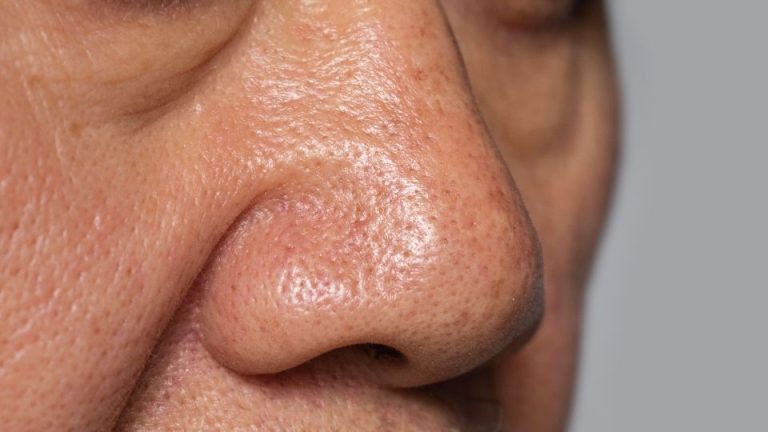
Snorting cocaine narrows the blood vessels inside the nose and cuts blood flow to the tissue. Over time this can wear down the septum, the wall between the nostrils, and in some cases make a hole in it. Nosebleeds, crusting, a constantly runny nose and a reduced sense of smell are common early warnings.
Some of this heals after cocaine use stops, and the lining of the nose can recover. A hole in the septum usually does not close on its own. An ear, nose and throat specialist can discuss symptom care, a septal button or surgery where appropriate. The chapter on coke nose covers how the damage progresses and what repair involves.

What Happens to the Heart and Brain Over Time?
Meth makes the heart work harder. Stimulants raise heart rate and blood pressure, and they can cause chest pain and an irregular heartbeat.
Long term meth use also brings an increased risk of stroke, which can cause permanent brain damage. A methamphetamine overdose can drive body temperature dangerously high and cause seizures. Risk depends on the amount, repeated use, other substances and a person’s health. Overheating, chest pain or confusion during use needs emergency medical care.
People who inject meth face extra risks. Sharing contaminated needles or other injection equipment can transmit HIV and hepatitis B and C. Meth can also impair judgment and increase sexual risk.
Can Stimulants Cause Psychosis?
Meth use can cause psychosis, including during heavy use or binges, and other psychiatric symptoms: paranoia, hallucinations, repetitive compulsive activity and false beliefs, such as the sense that bugs are under the skin. Some people become aggressive or violent during these episodes. Psychotic symptoms can sometimes last for months or years after a person stops using.
Stress can bring psychosis back in people who had it before. Anyone hearing voices, seeing things or feeling unsafe needs medical care right away. Families can call 911 if someone is a danger to themselves or others.
What Does Meth Withdrawal Feel Like?
Meth withdrawal often starts with a crash: long sleep, hunger and deep fatigue. Withdrawal symptoms that follow include depression, anxiety and intense cravings. Stimulant withdrawal usually does not cause the seizures or delirium associated with severe alcohol withdrawal, but depression, suicide risk and psychosis can require urgent care.
Meth withdrawal does not always require inpatient medical detox, but a health care assessment can help identify the safest setting. Severe depression, psychosis, other health problems or use of other substances may require closer supervision. A doctor can help with sleep, depression and any lingering psychiatric symptoms. If you or someone you love has thoughts of suicide, call or text 988, the Suicide Crisis Helpline, any time.
Can the Body Recover After Quitting Meth?
Some of meth’s effects on the brain are at least partly reversible. A small brain imaging study found partial recovery in brain metabolism after an average of 14 months without meth, compared with an earlier assessment before 6 months [3]. Changes in one region were associated with better movement and verbal memory scores; this is not a fixed recovery timetable.
Other changes last much longer, and some brain regions had not recovered even at 14 months. Damage from a stroke may be permanent. Teeth do not grow back, though dental work can restore function.
Early recovery can be difficult, and improvement may continue over many months. Recovery varies from person to person. Sleep, regular meals, exercise and steady structure all support that recovery.
What Does Meth Addiction Treatment Involve?
There are no medications approved specifically for methamphetamine use disorder in Canada [4]. Behavioural therapy, structure and support remain central. Clinicians may consider medication off-label for selected people [5], and Canadian researchers are testing medication options in clinical trials.
Contingency Management and Behavioural Therapy
Contingency management gives small rewards, such as vouchers, for negative drug tests or for showing up to treatment. It has the strongest evidence among studied treatments for stimulant use disorder [5]. Cognitive behavioural therapy helps a person spot triggers and build other ways to cope.
The Matrix Model is a 16-week program that combines therapy, family education, support groups and drug testing. Studies support it as an option for reducing meth use [5].
Addiction Medicine, Mental Health and Residential Care
Addiction medicine doctors can treat related problems that make early recovery harder. Depression, anxiety and lingering psychosis are common after heavy meth use, and mental health care needs to run alongside addiction treatment. A stable, safe place to live can make outpatient treatment easier to attend and sustain. Housing needs and symptom severity help determine the right level of care.
Residential treatment gives a man time away from the people and places tied to his drug use. It offers 24-hour support, regular sleep, meals, exercise and peer support, which the body needs after months of binges. Aftercare such as outpatient counselling and sober living helps lower the risk of relapse once the program ends.

Harm Reduction for People Who Still Use
Not everyone is ready to stop, and staying alive comes first. Harm reduction lowers the chance of dying or getting sick while a person is still using.
Overdose Prevention and Naloxone
BC’s overdose prevention sites, drug checking and free naloxone can help reduce harm. Drug checking has limits and cannot guarantee that a substance is safe. The BC Centre for Disease Control lists harm reduction services across the province.
Fentanyl can turn up in meth and cocaine, so a person who uses only stimulants can still overdose on opioids. Carry naloxone and avoid using alone. If someone will not wake up or is breathing slowly or irregularly, call 911, give naloxone if available, and follow the dispatcher’s instructions. Naloxone reverses opioid overdose; it does not reverse stimulant toxicity.
Why Mixing Cocaine and Alcohol Is More Dangerous
When cocaine and alcohol are used together, the liver makes a third compound called cocaethylene. Researchers describe it as a highly toxic compound. A cross-sectional study of people with and without HIV linked cocaethylene in the blood with higher odds of a blood-test indicator of liver fibrosis [6]. It found a stronger association than for cocaine or alcohol alone, but could not prove that cocaethylene caused the scarring.
Many people drink to take the edge off a cocaine high, so this combination is common. Mixing stimulants with alcohol or other drugs also makes overdose harder to predict.
Frequently Asked Questions About Meth Addiction
How Is Meth Addictive Compared With Cocaine?
Both drugs have a high potential for addiction, and both can cause stimulant use disorder. Meth stays active much longer, which can prolong wakefulness and contribute to binges. The severity of harm depends on the pattern of use and other health factors. Treatment for both follows a similar approach.
How Long Does Meth Withdrawal Last?
The crash usually comes in the first days after stopping, with long sleep and heavy fatigue. Cravings, low mood and poor concentration can last for weeks, and some people notice them for longer. A doctor can help manage sleep and depression during this period, and support makes the early weeks easier.
Can Meth Psychosis Go Away?
For many people, psychosis fades after they stop using meth and get enough sleep. Some people have symptoms for months or years, and stress can bring them back. Anyone with paranoia or hallucinations should see a doctor, since treatment for psychosis tends to work best when it starts early.
Is There a Medication for Meth Addiction?
No medication is approved specifically to treat meth addiction in Canada. Clinicians may consider off-label medication for selected people [5]. Treatment uses contingency management, behavioural therapy, peer support and structured programs. Canadian researchers are running clinical trials of medication options, and a doctor can still treat related problems such as sleep, depression and anxiety during recovery.
Taking the Next Step
Meth can seriously harm the body, and some effects can improve once use stops. Recovery and lasting damage vary. If you or a man in your family is ready to stop, Into Action Recovery Centre can talk through addiction treatment for men and what recovery from meth involves.
This article is for informational purposes only and is not a substitute for professional medical advice, diagnosis or treatment. Talk to a qualified health care provider about your situation.
Sources
[1] Canadian Centre on Substance Use and Addiction. Methamphetamine.
[2] BC Coroners Service. Unregulated drug toxicity claims 138 lives in June 2026.
[3] National Institute on Drug Abuse. Methamphetamine Research Report (revised September 2013).
[4] BC Centre on Substance Use. ASCME clinical trial: methamphetamine use disorder.
[5] ASAM/AAAP. Clinical Practice Guideline on the Management of Stimulant Use Disorder.