Meth face is an informal term for visible changes that can occur with repeated meth use. These may include skin sores, weight loss, sunken cheeks, and dental damage. Appearance varies, and these features cannot diagnose meth use or addiction.
Sleep loss, reduced appetite, itching, and skin picking can contribute to changes in appearance. Some improve with reduced exposure, nutrition, rest, and appropriate care, but the degree and timing of recovery vary.
Families often notice meth face before they know about the drug use. A face that changes over a few months is a common reason a family first looks into drug rehab for a loved one.
What Is Meth Face?
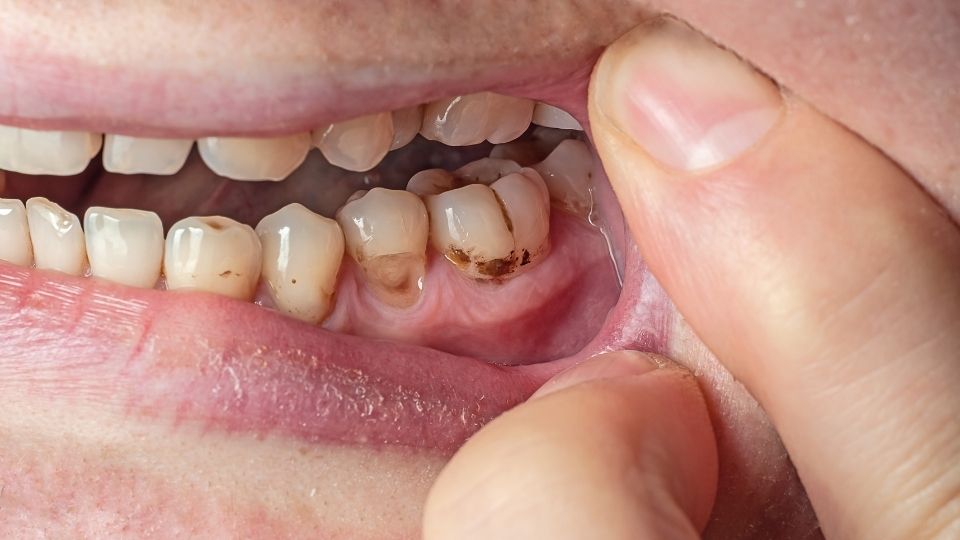
Meth face is not a medical diagnosis. It is a common term for the pattern of facial changes seen in people who use methamphetamine heavily over months or years. The physical effects of meth on the face usually come from several causes at once.
Before-and-after photos shared online do not establish what meth alone caused. Aging, other illnesses, and other substance use can also affect appearance, and stigmatizing images may discourage people from seeking help. Skin damage is discussed in the guide to meth sores.
Early Physical Signs: Dilated Pupils, Clenched Jaw and Lip Burns
Dilated pupils, sweating, and jaw clenching can occur during meth use. The duration depends on dose, repeated use, and health; there is no reliable one-day deadline for the signs to fade. Similar signs can have other causes.
Smoking meth can leave small burns on the lips and fingertips, and face sores often appear around the mouth. People who snort cocaine show different early signs, such as nosebleeds and a constantly runny nose, which can progress to coke nose.
None of these early signs prove meth use on its own. Together with sleepless nights and weight loss, though, they are worth a calm conversation.
What Causes Meth Face?
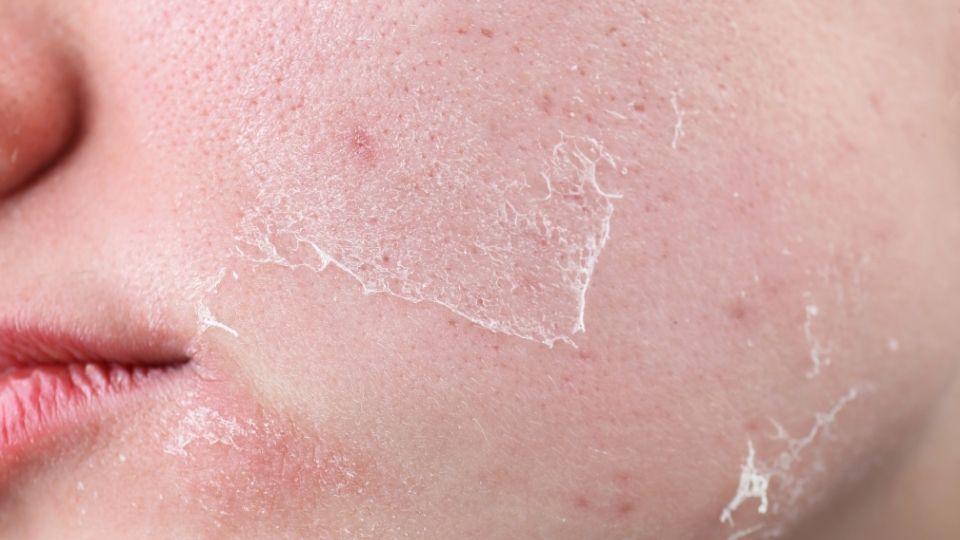
Meth is a central nervous system stimulant that changes the face through the skin, fat, blood flow, and teeth. Each change has a different cause and a different chance of healing.
Meth Face Sores, Meth Mites and Open Wounds
Meth can cause a sensation of insects crawling on or under the skin, sometimes called meth mites. Scratching or picking in response can leave sores and scabs [1]. These sensations are distressing but do not mean insects are present, and repeated picking can delay healing.
Compulsive scratching or picking can turn small marks into wounds. Broken skin allows infection to develop. Poor nutrition, limited sleep, and difficulty keeping up with wound care may further complicate recovery.
Repeated picking keeps reopening wounds, leaving scars. Injecting meth adds a risk of abscesses at injection sites.
Weight Loss and Sunken Cheeks
Meth suppresses appetite, and people using meth on a binge may barely eat for days. Rapid weight loss strips fat from the face, which leaves sunken cheeks, hollow eyes, and a sharper jaw. Dehydration makes the skin look thinner and older.
Dry Skin, Acne and Premature Aging
Meth narrows blood vessels, which may impair skin blood flow. Repeated use, picking, sleep loss, and nutritional problems can affect skin health, but aged-looking skin is not a specific or inevitable effect of meth.
A 2024 case series described 11 people with spontaneous skin lesions associated with meth use and reported improvement after discontinuation [2]. This small report does not show that all acne, sores or infections will clear without treatment.
Dental Damage and the Shape of the Face
Tooth loss changes the face too. Missing teeth can make the lips sink, and the lower face look shorter and older. Meth mouth, the severe tooth decay and gum disease linked to meth, is explained in the chapter on meth mouth, including what dentists can repair.
Why Does Meth Face Show So Quickly?
Meth commonly has a half-life of roughly 12 hours, compared with about 1 hour for cocaine [1]. Its prolonged stimulant effects, especially with repeated dosing, can disrupt sleep. Half-life and the duration of a high are different measures.
During a binge, eating, hydration, sleep, and skin care may be disrupted, while picking can damage the skin. The speed of visible changes varies. The chapter on how long meth stays in your system explains detection windows after use.
Meth Face and Physical Appearance: Which Changes Reverse?
Much of meth face improves once a person stops using meth. Some changes take months, and a few may be permanent.
What Usually Heals
Small, uncomplicated sores may heal once picking stops and wounds receive appropriate care. Keeping wounds clean and covered can help, but spreading redness, swelling, pus or fever needs medical assessment.
Some skin changes improve after use stops, but acne and other lesions may need treatment. Weight and facial fullness can improve with regular meals when there is no other cause of weight loss. Persistent or unexplained symptoms deserve assessment.
What May Last
Deep scars from repeated picking can be permanent, though a doctor or dermatologist can sometimes reduce them. Lost teeth do not grow back, but dental work can restore the smile and the shape of the lower face. Skin damage from sun, smoking or years of poor health may improve only partly.
When to See a Doctor
Wounds that will not heal, or sores that are red, hot, swollen or leaking pus, need medical assessment. Fever or rapidly spreading redness warrants urgent care. Depression, suicidality or psychosis during withdrawal also needs prompt help; the level of support should match the person’s needs.
Meth Face Is Not the Only Sign: Other Drugs and Stimulants
Snorting cocaine can damage nasal tissues. Both cocaine and meth can affect skin, nutrition and cardiovascular health. Their effects and drug-test windows differ, so appearance and a single test result cannot reliably identify which substance was used.
Using opioids, alcohol, or other substances alongside meth adds risks. Unregulated stimulants may also contain opioids. Naloxone can reverse an opioid overdose but does not treat stimulant toxicity, so call 911 for suspected overdose or collapse.
People who drink while using stimulants face added risks. Alcohol dehydrates the skin, and alcohol combined with cocaine forms a toxic compound covered in the chapter on mixing cocaine and alcohol.
How Families Can Respond
Seeing a son, brother, or partner’s appearance change can be frightening. These changes have many possible causes and do not prove heavy meth use. A supportive conversation and medical assessment can help identify what is happening.
Talk privately and calmly, and focus on health rather than appearance. Shame about how he looks can make a man pull away. Offering to go with him to a doctor or dentist can be an easier first step than talking about treatment.
The visible signs are often the outside of a larger problem, and the guide on meth addiction explains what meth addiction does to the heart, brain, and mental health.
If a loved one is hearing voices, very paranoid, or talking about harming himself, get medical help right away. Call or text 988 for the Suicide Crisis Helpline, or call 911 in an emergency.
Frequently Asked Questions About Meth Face
How Long Does It Take for Meth Face to Go Away?
There is no dependable timeline for meth face to go away. Small sores may improve as picking stops, while deeper wounds, infections, and weight loss need individualized care. Scars and missing teeth may persist. Improvement depends on the cause and severity of each change.
Can You Get Meth Face From Using Only a Few Times?
A few uses can still cause acute effects such as sleep loss, reduced appetite, sweating or jaw clenching. Repeated exposure can add risks, but there is no set number of uses that produces a particular appearance. Visible signs alone cannot confirm meth use.
Does Meth Face Look the Same in Everyone?
Meth face varies from person to person. Age, genetics, how the drug is used, sun exposure, smoking, and other health problems all shape how the face changes. Some people mainly lose weight, while others develop sores, acne, or dental damage first.
Taking the Next Step
Many changes associated with meth use can improve, and health care can help at any stage. Stopping meth reduces ongoing risks. If you or a man in your family is ready to stop, Into Action Recovery Center can talk through addiction treatment for men and what recovery involves.
This article is for informational purposes only and is not a substitute for professional medical advice, diagnosis, or treatment. Talk to a qualified health care provider about your situation.
Sources
- National Institute on Drug Abuse. Methamphetamine Research Report (revised September 2013). https://nida.nih.gov/sites/default/files/methrrs.pdf
- Methamphetamine-Induced Spontaneous Skin Lesions: A Case Series and Literature Review. Addicta: The Turkish Journal on Addictions, 2024. https://addicta.com.tr/article/view/98